
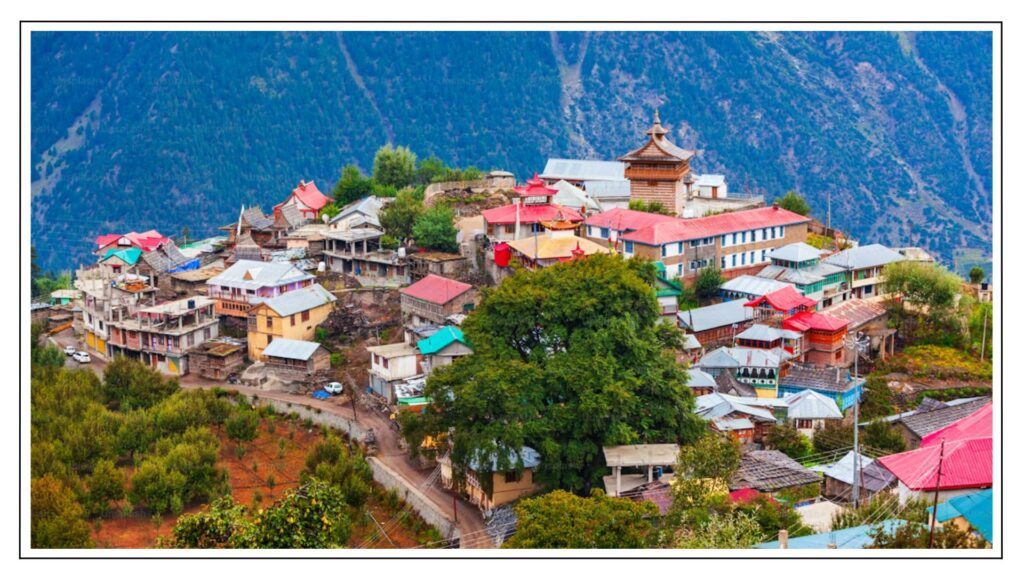
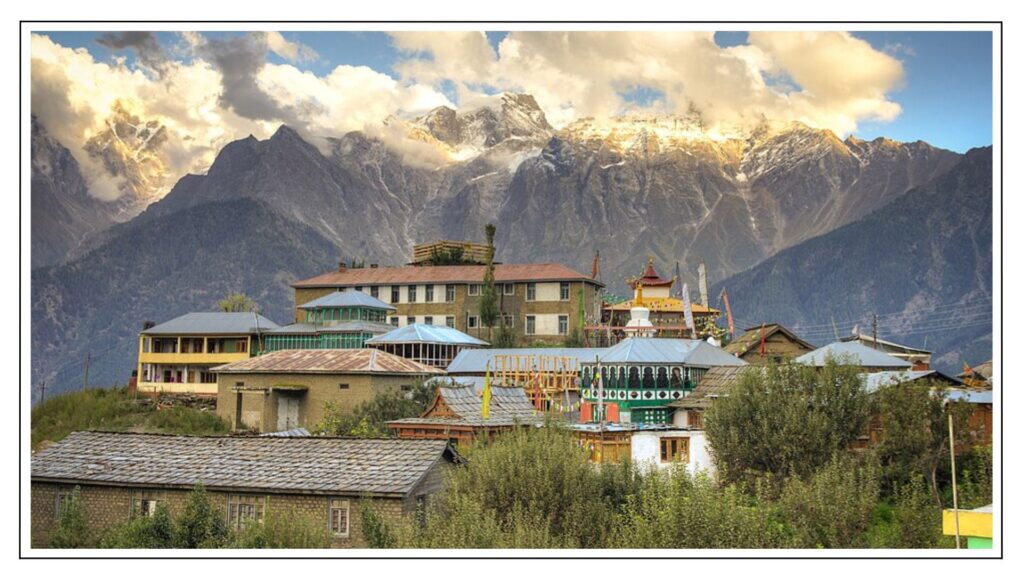
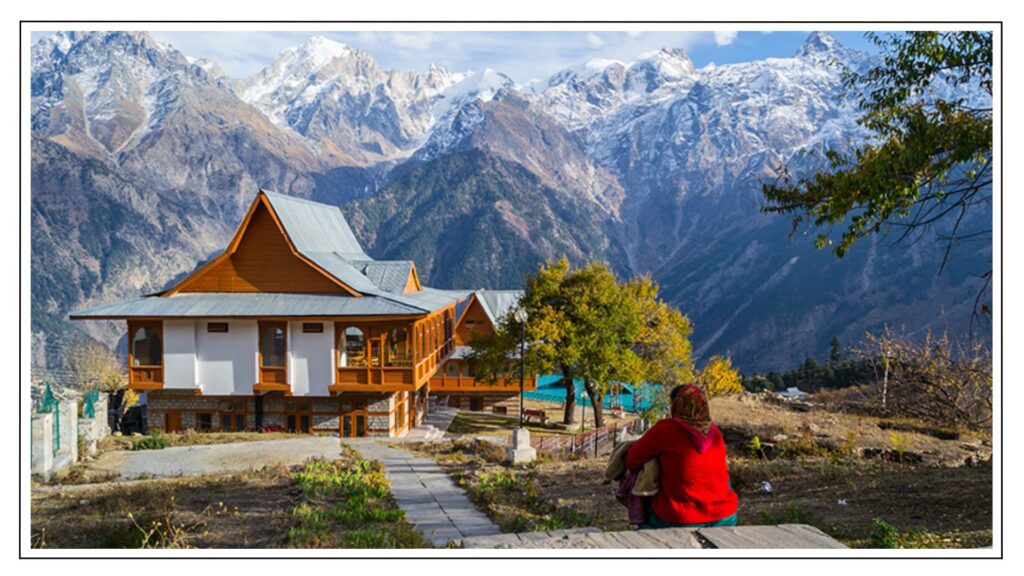
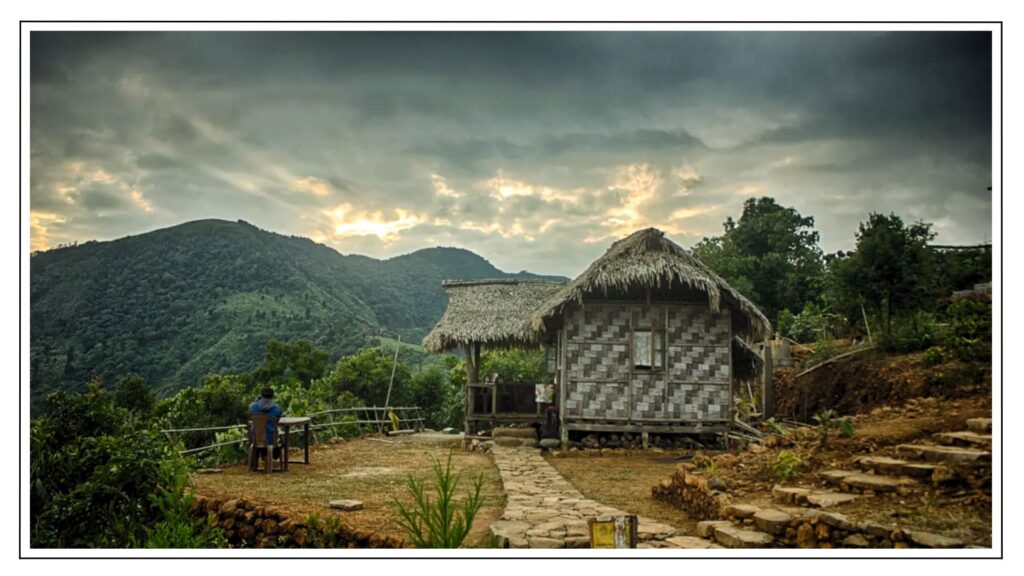
The surroundings are painted by lush apple orchards and pine forests, traditional wood-and-stone homes, heritage temples and monasteries that reflect a blend of Hindu and Buddhist influences. Unlike busier hill stations, Kalpa sits as a serene station where everyday life and natural beauty lead the experience, making it a compelling stop for travellers seeking both scenic depth and cultural essence. Rooted deeply in heritage, Kalpa gained wider recognition during the 19th century following a visit by Lord Dalhousie, the British Governor-General.
Where The World Slows Down: Villages That Look Like Living Postcards
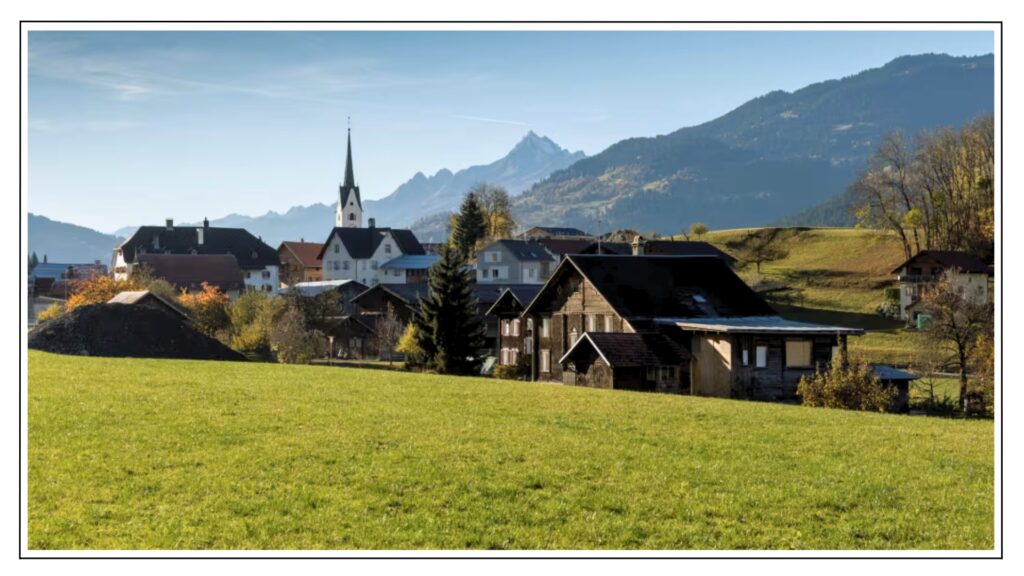
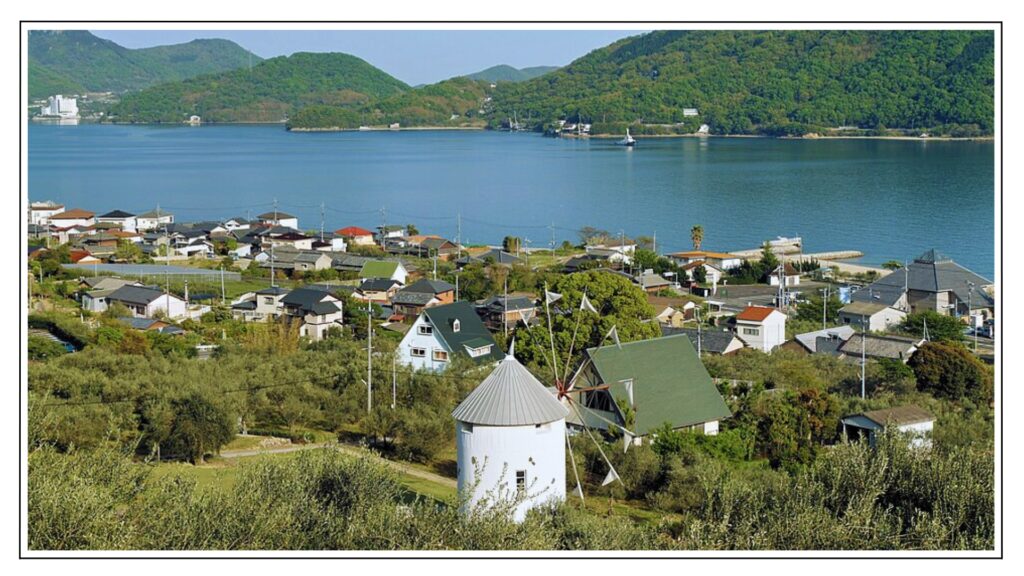
There’s a quiet shift in how people want to live and travel today. The same individuals who once sprinted through days framed by glass towers and relentless schedules now find themselves craving spaces where mornings take their time and the air feels gentler, almost familiar. And honestly, I feel that pull too. As someone who writes and breathes in the middle of a fast, urban world, village life feels like everything my spirit longs for. Rooted, soulful & effortlessly well-put-together. Even in this digital age, all it takes is one raw, beautifully shot clip of a village lane, whether it’s a mud home in India or a quiet countryside cottage in the West, for the senses to travel miles ahead of the body. There’s a comfort, a purity to it that you can almost smell through the screen. Maybe that’s why the world isn’t just choosing new destinations; it’s choosing new ways of living. Contemporary furniture is slowly stepping aside for pieces shaped by rural hands: lime-plastered floors, clay-blended walls hand-carved wood, natural fibres, woven textures, materials that feel honest and grounded. These aren’t choices driven by nostalgia alone; they’re choices inspired by comfort, sustainability, and the desire to build homes that breathe a little easier, just like the landscapes they’re inspired by.
Now, how about we walk you through some of the most beautiful and well-preserved villages in the world that sketch the same narrative to this day? Keep reading to know more about these villages that offer stories, ways of life, and cultural wisdom that nudge you toward living more intentionally, lightly, and meaningfully.
Heading Example
This growing shift isn’t accidental. The United Nations World Tourism Organisation (UNWTO) continues to highlight the rise of rural and community-led tourism, noting that travellers increasingly seek places that preserve heritage, protect the environment, and foster genuine human connection. Villages, whether in India or across the globe, sit at the centre of this movement. Studies by the World Health Organisation (WHO) on environmental and mental well-being underline how prolonged exposure to noise, congestion, and polluted urban spaces heightens stress and diminishes overall quality of life. It’s no wonder so many of us find ourselves reaching for quieter, greener, slower corners of the world; even without labelling it as a trend.
In this article, we journey through some of the most extraordinary, lesser-known, and mesmerising villages to visit in the world—places that don’t compete for attention, yet linger long after you’ve left. Villages with stories and ways of life that quietly inspire us to live better, lighter, and more intentionally.
And while official lists such as UNWTO’s Best Tourism Villages and several globally recognised compilations celebrate many of these exceptional destinations, this article takes a more curated, traveller-friendly approach, highlighting only a few. The article covers:
• A concise introduction to some of the most admired villages worldwide, those known for heritage, craftsmanship, natural beauty, or the serenity they preserve.
• Key attractions and meaningful experiences each village offers, helping you sketch an itinerary with clarity.
• Thoughtfully researched stay recommendations based on hygiene standards, guest ratings, authenticity, and proximity; so you can book your accommodation accordingly.
Why The World Is Rediscovering Village Life
In villages, homes are not built to impress. They are built to endure. Thick walls that hold warmth in winter and release it in summer. Floors that don’t make you conscious but comfort you instead. Furniture that carries the marks of time, and not trends. Pieces are repaired, reused, and respected rather than replaced. Long before sustainability became a buzzword, village life was already practising it instinctively and intelligently. Communities still function on trust, shared labour, and unspoken understanding. Values that feel rare, almost radical, in today’s hyper-individual world.
Perhaps this is why more people are choosing villages not just for travel, but for life. Couples planning early retirement are buying land on village outskirts. Old family homes are being restored instead of sold. Countryside plots are turning into intimate stays, places where guests come not to tick off attractions but to rest their nervous systems. These stays don’t offer chaos or checklists. They offer fresh meals from nearby farms, wind instead of traffic, nights dark enough to see the stars, and mornings that ask nothing of you.
Forbes, in its features on sustainable living and future travel trends, has pointed out how minimal lifestyles, countryside living, and heritage homes are redefining what modern luxury truly means. Luxury, it seems, is no longer about excess, but about ease.
Understanding The Dynamics Of Village Tourism
When journeying into quieter, deeply rooted, and carefully conserved villages, some mindful readiness can help you with your entire experience. Here are some ground realities to be aware of:
- These places often have limited stays, so planning ahead ensures you don’t miss out on the charm of living locally.
- Choose to support the community by staying in family-run homes, dining where the locals eat, and picking up handmade crafts directly from artisans. What happens is such choices help sustain the people who preserve the culture you’ve come to admire.
- Many rural destinations follow eco-first values, so travel light on the environment: reduce waste, be mindful of natural surroundings, and honour village rules. And if you truly want to feel the soul of a place, consider timing your trip around seasonal rhythms or festivals; you’ll often find the most authentic moments away from peak seasons.
- Walk in with humility, for you’re entering someone’s lived reality.
- A few local words, a willingness to listen, and an open heart can make every interaction richer.
What Travellers Should Know About The "Best Tourism Villages" Initiative
Every year, UN Tourism spotlights rural destinations that are leading the way in cultural preservation and sustainable tourism through its Best Tourism Villages programme. In the latest announcement, 52 villages from across Asia, Europe, Africa, America, and the Middle East were recognised out of more than 270 applications submitted by 65 member states, reflecting how competitive and diverse this global platform has become. With these additions, the network now includes over 300 villages worldwide, making it one of the most significant international efforts supporting rural development and community-driven tourism. When a traveller steps into one of these recognised communities, they’re entering a place where traditions are practised and where tourism is managed in a way that uplifts residents, safeguards nature, and avoids the shortcomings of mass development.
Most Beautiful Villages To Visit In The World
Kalpa, Himachal Pradesh, India
Perched in Kinnaur, at an altitude of 2,759 metres, lies the historic Hindustan-Tibet road, around 260 kilometres from Shimla. Once the administrative heart of Kinnaur, the Kalpa village now sits just 14 kilometres, a short 30-minute drive from Reckong Peo, the present district headquarters. Dramatically positioned near the base of the 6,050-metre-high Kinner Kailashrevered as Lord Shiva’s winter abode, Kalpa offers a breathtaking dawn spectacle, making it feel like a village paused between mountains and mythology.
Attractions To Explore In Kalpa Village & Nearby
- Chakka Trek: A moderate uphill hike from Kalpa leading to panoramic meadows and a tranquil glacial lake at 3,800 m, ideal for nature lovers and high-altitude scenery.
- Hu-Bu-Lan-Kar Monastery: An ancient Buddhist monastery in Kanam offering quiet spiritual ambience, Tibetan heritage, and serene Himalayan surroundings at 3,500 m.
- Suicide Point: A dramatic cliffside viewpoint near Kalpa known for its sharp drops and breathtaking Sutlej Valley vistas, popular among photographers and thrill-seekers.
- Kinnaur Kailash: A sacred Himalayan peak revered for its towering 79-ft Shivling rock formation and spiritual significance across Hindu and Buddhist communities.
Guide To Reaching The Village
By Air
- Shimla Airport is the closest air link to Kalpa, roughly 267 kilometres away, with regular connectivity from cities like Delhi. From the airport, the onward journey to Kalpa is best done by taxi, which is easily available.
By Train
- The nearest railhead is Shimla, located about 260 kilometres from Kalpa. As a well-connected station, it serves several major cities. From here, travellers can continue their journey by road, either by bus or a cab.
By Road
Travelling by road is often the most seamless & scenic way to reach Kalpa. The drive unfolds through apple orchards, river valleys, & mountain curves, turning the journey into part of the experience itself.
HRTC buses operate regularly from Shimla and nearby states including Delhi & Punjab.
Private buses & taxis are also available, particularly from Delhi.
Local bus services connect Kalpa with other towns across Himachal Pradesh.
Commonly taken routes:
Delhi – Shimla – Rampur – Kalpa (preferred & accessible year-round)
Delhi – Manali – Kaza – Kalpa (depends on the season; open only when high-altitude passes are operational)
(Travel guidelines & logistics may vary depending on season & local updates. Since the above-mentioned information is based on current data from multiple sources, it is advisable for travellers to verify all details beforehand for a safe and seamless journey)
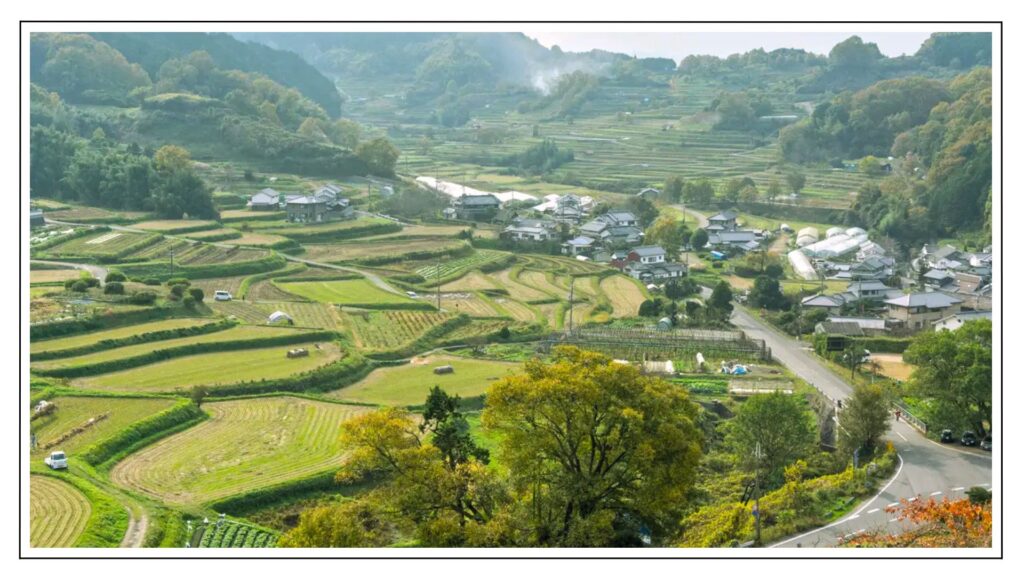
Asuka, Japan
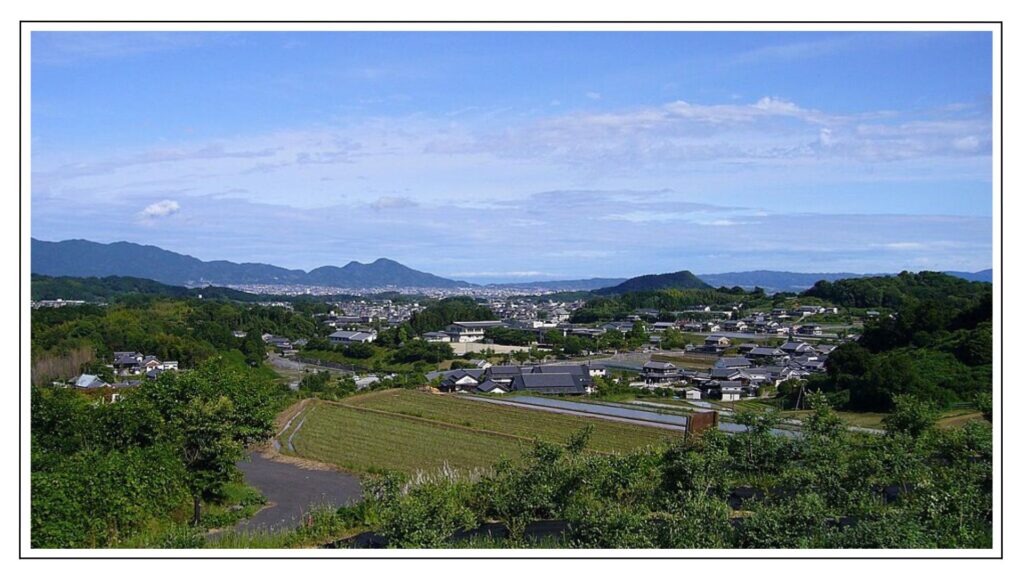
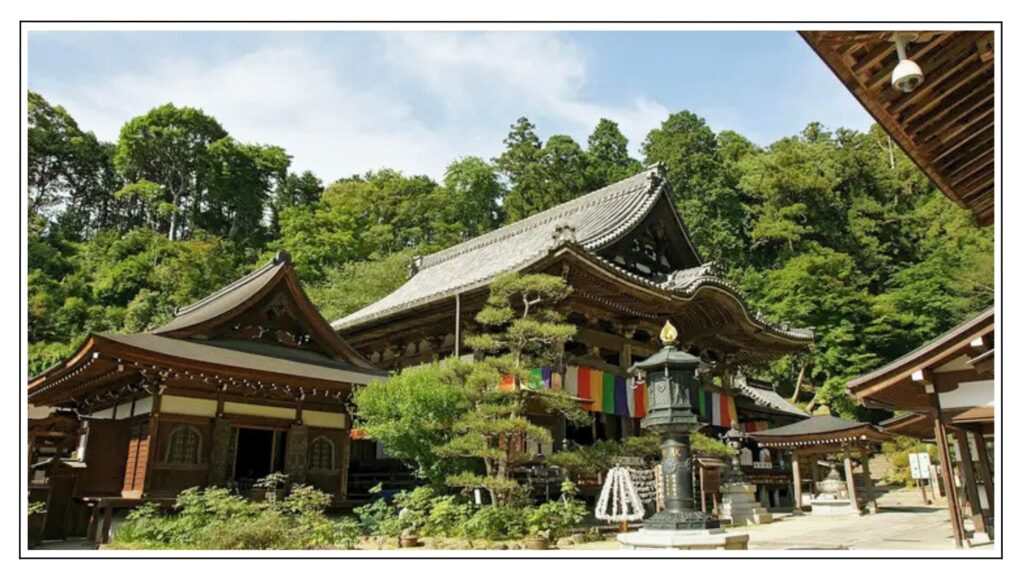
Tucked into the quiet heart of Nara Prefecture, Asuka Village is small in scale yet immense in spirit. Often called the birthplace of Japan, this serene countryside holds the earliest traces of the nation’s story, where politics, faith, and art first found form during the 5th and 6th centuries. Ancient temples, shrines, stone monuments, and royal tombs lie gently scattered across fields and hills, blending history into everyday life. The village’s elements are deeply rural, nourished by Hinohikari rice, sun-ripened fruits, and prized strawberries like Asuka Ruby and Kotoka. In recent years, lovingly restored traditional homes have re-emerged as intimate cafes and lodgings, inviting travellers to slow down, stay awhile, and experience Japan as it once began; quiet, rooted, and profoundly timeless.
(Interesting fact: Japan doesn’t use “provinces” in its modern system. It officially organises the country into 47 prefectures, which is why Nara is formally known as Nara Prefecture)
Attractions To Explore In Asuka & Nearby
Asuka Ancient Rice – One of the first things you’ll notice here is this 2,000-year-old heirloom grain that naturally shows up in shades of black, red, or even green. It’s grown in the village’s nutrient-rich fields and fed by the clear Asuka River, and even adding a handful to plain white rice instantly lifts the colour, flavour, and texture of your meal.
Kitora Soy Sauce – If you love collecting meaningful local finds, this century-old soy sauce is a lovely pick. It’s inspired by the four guardian deities painted inside the Kitora Tomb, and each bottle comes wrapped in a tenugui—a soft, traditional hand towel—that makes it feel like a souvenir with a story.
Asuka Ruby Strawberries – When they’re in season, don’t miss these bright, glossy strawberries that locals absolutely swear by. They’re known for their size and sweetness, rarely sold outside Nara, and honestly taste best either straight from the farm or in the indulgent strawberry desserts you’ll spot around the village.
Asuka Nabe – And on cooler evenings, nothing beats settling down with a bowl of Asuka Nabe. It’s a comforting blend of chicken, veggies, white miso, and milk—an old recipe from the Asuka period that still warms people up with its soft, velvety broth.
Guide To Reaching The Village
By Air:
- Asuka village doesn’t have its own airport, and due to its rural location in central Honshu (near Nara), flying directly into Asuka isn’t possible. However, all international airports in Japan are well-connected globally, and what makes the Kansai International Airport (KIX) especially ideal is that it offers frequent international flights directly from Europe, Asia, Australia, and America. It’s also the closest major airport to Asuka, from where it may take around 70-90 minutes by train/car, making it the most efficient gateway for international travellers.
By Train:
- The train route is the most recommended, easiest & efficient route to reach the Asuka village, given the world-class rail system of Japan; known for its multilingual, comfortable, and punctual aspects, making it ideal for international travellers.
- Now, if you’re travelling from Osaka, Kyoto, or Nara city, hop onto a local Kintetsu line from Kintetsu Nara station and make a quick ride to Yamato-Saidaji, which only takes a few minutes.
- Once there, switch to the line heading toward Kashiharajingu-mae, a longer stretch that usually takes around 1/2 hour, sometimes even a little more depending on the service.
- Once you reach Kashiharajingu-mae, you’ll have to change trains one last time for the short segment to Asuka Station, which is roughly a 5-minute ride.
Please Note Additionally:
- If you’re travelling from Kansai Airport (KIX), you have to take the JR or Nankai railway from KIX to Osaka/Namba station.
- If you’re travelling from Osaka, you have to board the Kintetsu Limited Express from Osaka Namba station.
- If you’re travelling from Kyoto station, you have to take the Kintetsu-Kyoto line to Kashiharajingu-mae.
- If you’re travelling from Nara city, which is very close to Asuka, you have to board JR or Kintetsu trains to Sakurai or Yamato-Saidaiji. Direct taxi routes are also available for this route but rather expensive.
- Once you finally step off at Asuka station, you can avail the Asuka Aka-Kame tour bus, which is a local loop service.
(Travel guidelines & logistics may vary depending on season & local updates. Since the above-mentioned information is based on current data from multiple sources, it is advisable for travellers to verify all details beforehand for a safe and seamless journey)
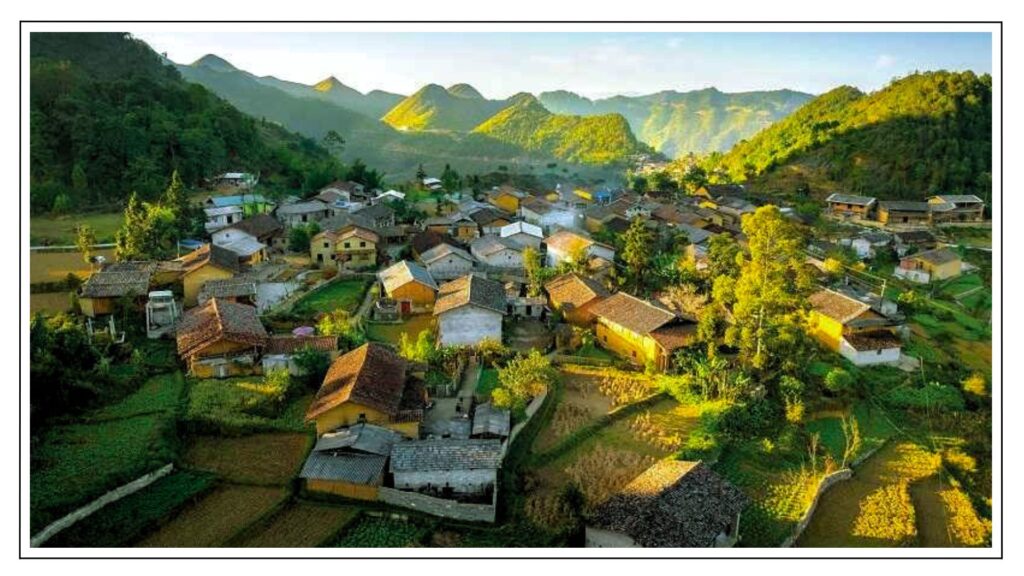
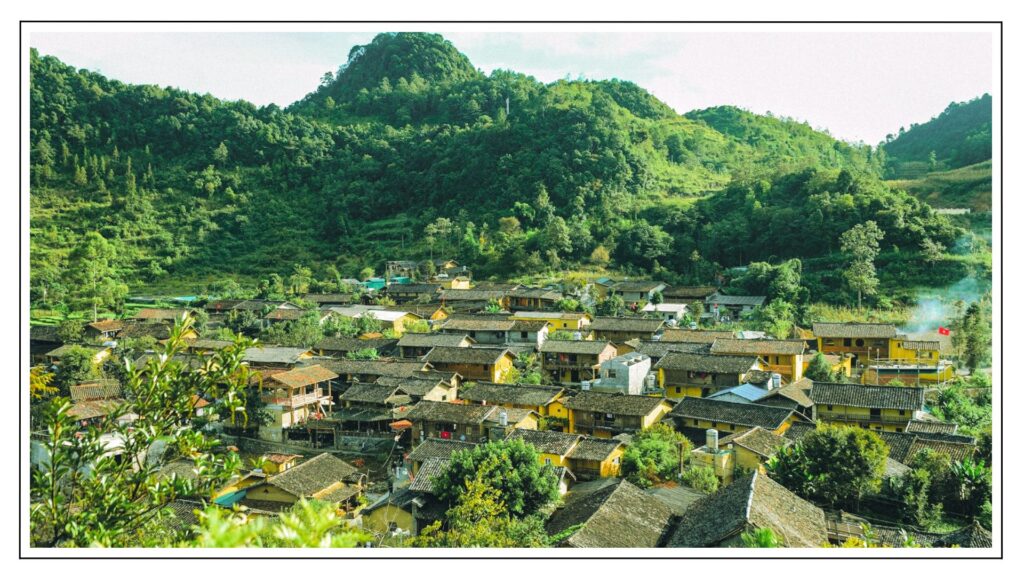
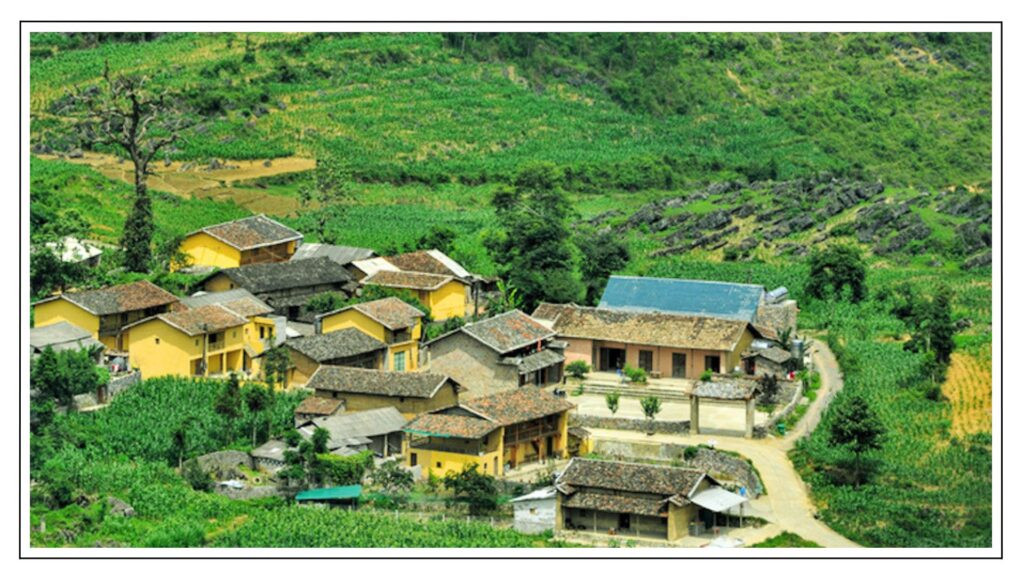
Lo Lo Chai Village, Vietnam
Cradled beneath the dramatic rise of Dragon Mountain and wrapped on all sides by dense forests, Lo Lo Chai Village is one of northern Vietnam’s most remarkable destinations. Set in Lung Cu Commune of Tuyen Quang Province, the village sits just a kilometre from the well-known Lung Cu Flagpole, the northernmost point of the country, making it easy for travellers to pair both visits in one journey.
A walk through Lo Lo Chai feels like entering a living cultural landscape: women weaving at the doorsteps, men shaping wood with practiced hands, and families tending to their age-old homes built from earth & stone. It’s this blend of heritage, scenery, & quiet resilience that has turned Lo Lo Chai into one of Ha Giang’s most meaningful stops for travellers seeking a deeper understanding of Vietnam’s ethnic richness.
Because the village lies deep in the mountains, the route leading to Lo Lo Chai is still rugged and relatively undeveloped. The road can be challenging, but that very isolation is what has helped the village preserve its raw, unpolished beauty. Traditional earthen houses, untouched landscapes, and a pace of life shaped by centuries of continuity give the village an authenticity rarely found in more accessible destinations.
Attractions To Explore In Lo Lo Chai & Nearby
Stroll through the stone village lanes
Take a slow walk through Lo Lo Chai’s narrow alleys framed by stone-walled homes and wooden rooftops. The village glows beautifully in the soft light of early mornings and late afternoons, making your wander feel almost cinematic.Visit the Lo Lo Cultural House
Step into a space where heritage is thoughtfully preserved. Traditional clothing, bronze drums, and ancestral objects offer an easy yet meaningful way to understand the village’s roots within the Dong Van Karst Plateau.Share a cup of tea with the locals
Many families genuinely enjoy welcoming travellers in. Whether it’s tea, corn wine, or a simple chat about daily life, these warm interactions often become the moments you remember most from the Ha Giang Loop.Pair your visit with Lung Cu Flag Tower
After exploring the village, make your way up the 389 steps to the iconic flag tower for sweeping border views. Doing both in one trip feels natural and adds a striking highlight to your northern Vietnam journey.Add a Fansipan adventure to your itinerary
If you’re craving a bigger challenge in the region, Fansipan—the highest peak in Indochina—offers breathtaking panoramas of rugged mountains and the Muong Hoa Valley. It’s a rewarding add-on for adventure lovers.Explore the Sapa Ancient Stone Field
For something more enigmatic, visit this national relic dotted with nearly 200 carved stone blocks. The mysterious patterns and quiet setting make it a fascinating detour filled with history and unanswered stories.
Guide To Reaching The Village
By Air:
Lo Lo Chai doesn’t have its own airport but reaching northern Vietnam by air is straightforward.
Nearest International Gateway: Hanoi’s Noi Bai International Airport (HAN) is your best entry point from global destinations.
From Hanoi to Ha Giang: Once in Hanoi, take a domestic flight to Hà Giang Airport (if available seasonally) or more commonly, arrange ground transport—private transfer, shuttle bus, or rental car.
By Rail:
Vietnam’s rail network is extensive, but there’s no direct train service to Ha Giang Province.
You can take a train from Hanoi to Lao Cai (popular if you’re also visiting Sapa), then continue by road.
Alternatively, the train to Hanoi or Lao Cai simply sets up your next leg via road transport into the highlands.
By Road:
This is the most practical and immersive way to reach Lo Lo Chai.
From Hanoi: The drive is around 300+ km and takes roughly 6–8 hours depending on traffic and weather. Buses, private cars, or motorbike tours are all popular options.
Along the Ha Giang Loop: Many travellers combine Lo Lo Chai with the iconic loop. Roads here wind through karst peaks and deep valleys—so go at a comfortable pace and enjoy the views.
(Travel guidelines & logistics may vary depending on season & local updates. Since the above-mentioned information is based on current data from multiple sources, it is advisable for travellers to verify all details beforehand for a safe and seamless journey)
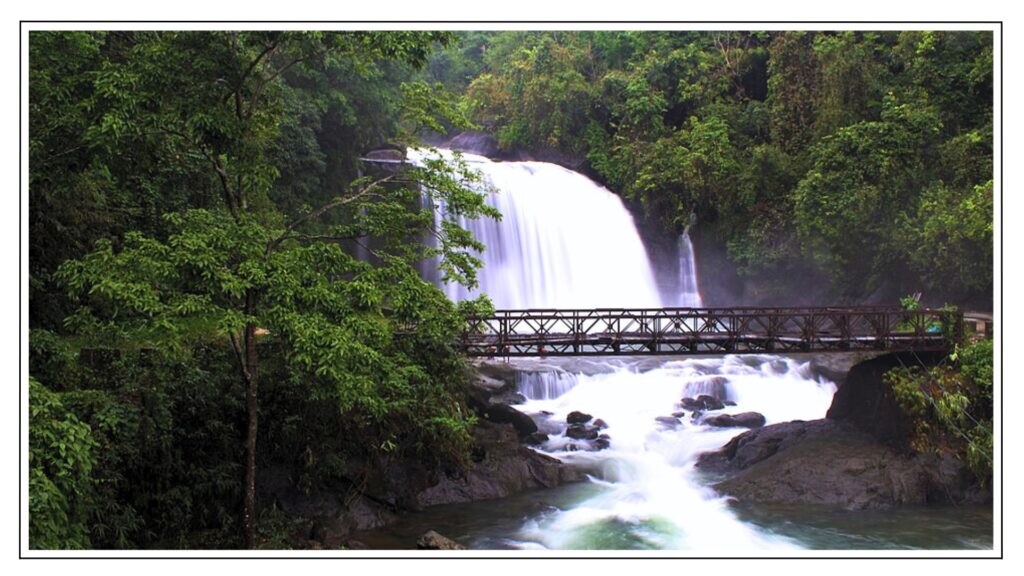
Mawlynnong, Meghalaya
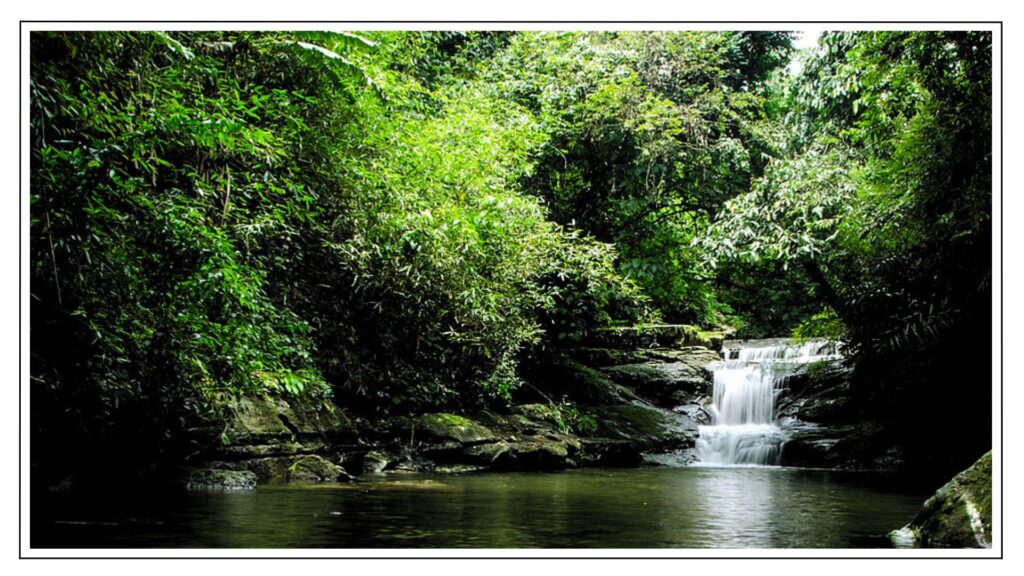
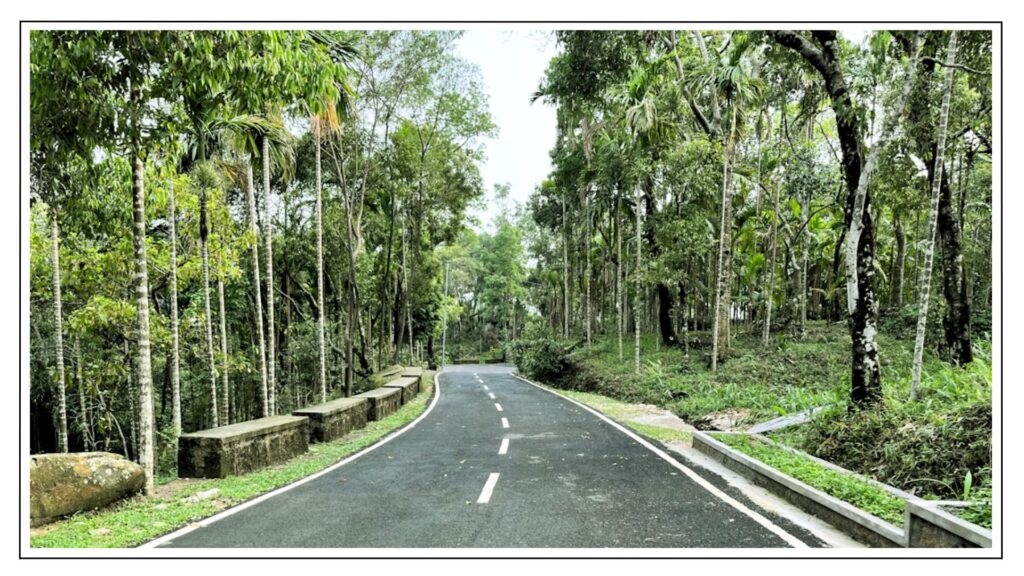
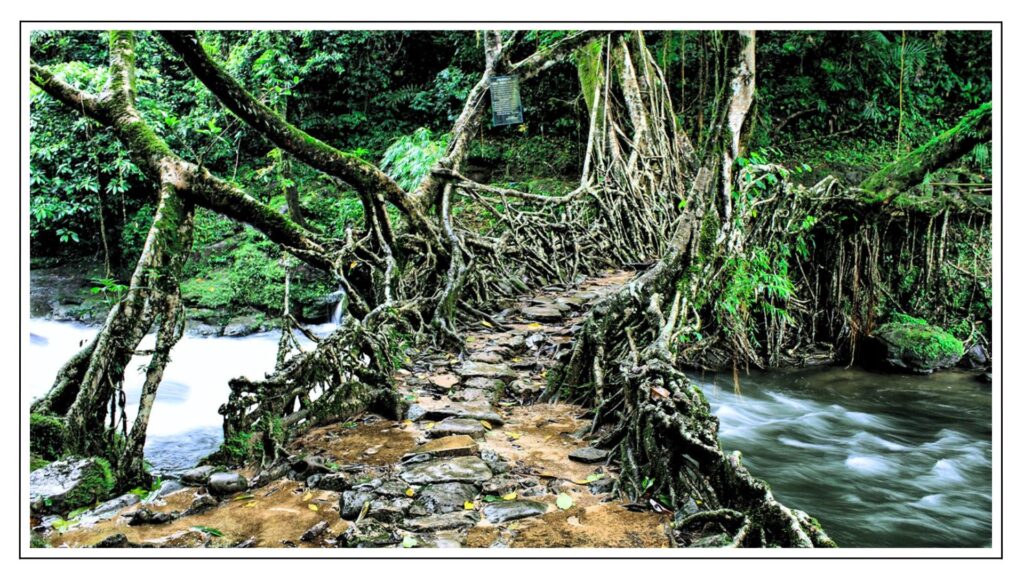
Generally titled as Asia’s cleanest village and affectionately nicknamed “God’s Own Garden,” Mawlynnong is a lush Meghalaya settlement wrapped in fruit orchards, towering palms, and rich evergreen scenery. Its most celebrated landmark is the Nohwet Living Root Bridge, a remarkable example of Khasi ingenuity where the aerial roots of the Ficus elastica tree are carefully guided and woven over decades. These living bridges grow sturdier with age, standing as powerful symbols of nature’s endurance and the community’s harmonious relationship with the environment. Many visitors also cool off in the clear stream that flows beneath this natural marvel.
A short walk through the village brings you to the Church of the Epiphany, a century-old structure that blends European-style architecture with the serenity of the surrounding tropical landscape. With its quiet trails and uninterrupted greenery, Mawlynnong offers a setting that balances nature, tradition, and gentle introspection.
Beyond its scenic appeal, the village represents a model of community-led sustainability. Every resident takes part in daily cleanliness routines, reflecting a shared commitment to environmental care. Plastic bags and smoking are strictly banned, preserving the village’s air quality and protecting its delicate landscape from waste. Rainwater harvesting is widely practiced, ensuring that resources are used responsibly.
Since 2007, each household has maintained functional toilets and bamboo dustbins, showcasing Mawlynnong’s forward-thinking approach to sanitation and waste management. Clean pathways, tree-lined lanes, and an unwavering dedication to eco-friendly living make this village not just a destination, but a testament to what a united community can achieve when nature and culture are valued equally.
Attractions To Explore In Mawlynnong & Nearby
- Sky View Point: A climb up the bamboo-crafted Sky View Point rewards you with a sweeping canvas of Meghalaya’s untouched beauty. Rolling hills, endless greenery, and, on clear days, glimpses of the plains of Bangladesh stretch far into the horizon.
- Dawki River: Few places in India feel as surreal as the Umngot River, often called the Dawki River. Its water is so clear that boats appear to hover mid-air, creating a dreamlike illusion of floating over glass. The interplay of emerald and turquoise hues, mirrored by surrounding hills, makes it one of the most visually arresting spots in the Northeast. Whether you choose to boat across or simply sit by its banks, the river offers a rare kind of stillness.
- Mawphlang Sacred Forest: A short journey from Mawlynnong leads you into the mystical realm of the Mawphlang Sacred Forest—a forest preserved not by fences, but by belief. For generations, the Khasi community has protected this land under sacred traditions. Nothing is to be taken out—not even a fallen leaf. Inside, you’ll find ancient trees, rare medicinal plants, and an almost tangible silence that carries stories of rituals and reverence.
- Living Root Bridge: Hidden within thick foliage and the quiet music of flowing water lies one of Meghalaya’s most extraordinary creations—the Living Root Bridge. Unlike anything built with brick or steel, these bridges are patiently “grown” by guiding the aerial roots of rubber trees across streams over decades.
- Some of these natural structures have stood strong for more than a century, growing sturdier with time rather than weakening. The most accessible and widely admired among them is the Riwai Living Root Bridge, reached via a short, refreshing trek from the village.
- Church of Epiphany: The Church of Epiphany may not boast grandeur, but its charm lies in its quiet elegance. A cobblestone pathway leads you to a quaint structure framed by greenery, with delicate stained-glass windows catching the light.
- Balancing Rock: A massive rock poised delicately over a smaller one—the Balancing Rock is exactly what its name suggests. Rooted in local folklore, it is believed to have once been a sacred site for Khasi rituals.
- Beyond the known spots, Mawlynnong quietly shelters several lesser-known waterfalls. Often tucked away within forests, these cascades feel like secrets waiting to be discovered. Exploring them with a local guide can turn a simple walk into an intimate encounter with Meghalaya’s raw, untouched beauty.
Guide To Reaching The Village
By Air:
- The nearest airport is Shillong Airport (Umroi Airport), although there are limited flights and most are connected via Kolkata. In case flights to Umroi Airport aren’t available, a more reliable option would be Guwahati Airport (Lokpriya Gopinath Bordoloi International Airport), well-connected to major metropolitan cities with frequent flights. From either airport, hire a taxi or a shared Sumo cab to the city, then continue onward to Mawlynnong.
By Train:
- The nearest major railway station is Guwahati Railway Station, from where you can book a taxi or reserve a Sumo or a shared Sumo cab to the city.
If you’re planning to head there directly from the airport or railway station as your first stop, you can book one of the many homestays in Mawlynnong in advance. Alternatively, you may choose to travel to Shillong first, rest for a day at a hotel, and then hire a cab to the village.
Mawlynnong lies approximately 75–80 km from the main city, and the journey typically takes around 2.5 to 3 hours.
(Travel guidelines & logistics may vary depending on season & local updates. Since the above-mentioned information is based on current data from multiple sources, it is advisable for travellers to verify all details beforehand for a safe and seamless journey)
Giethoorn, Netherlands
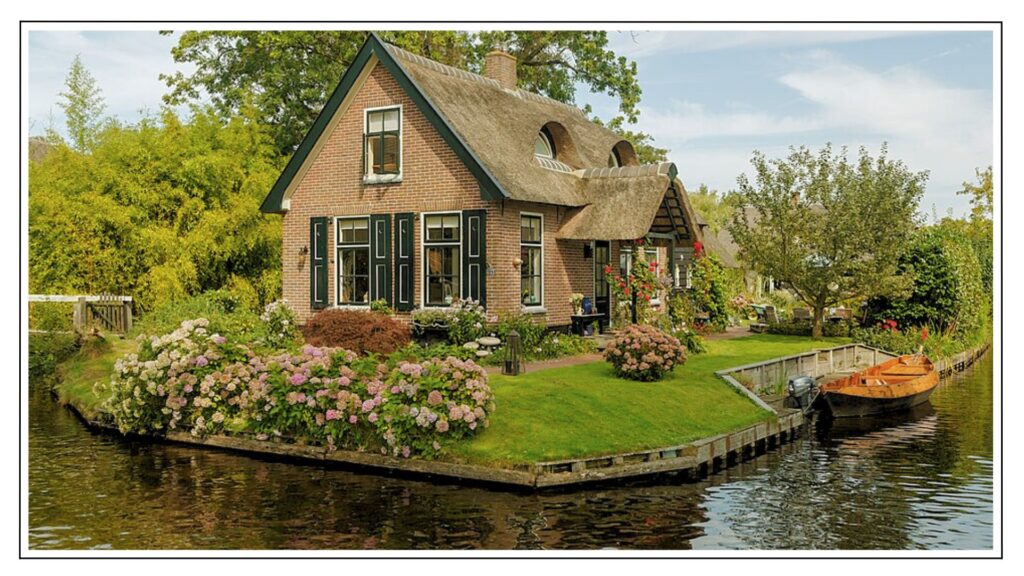
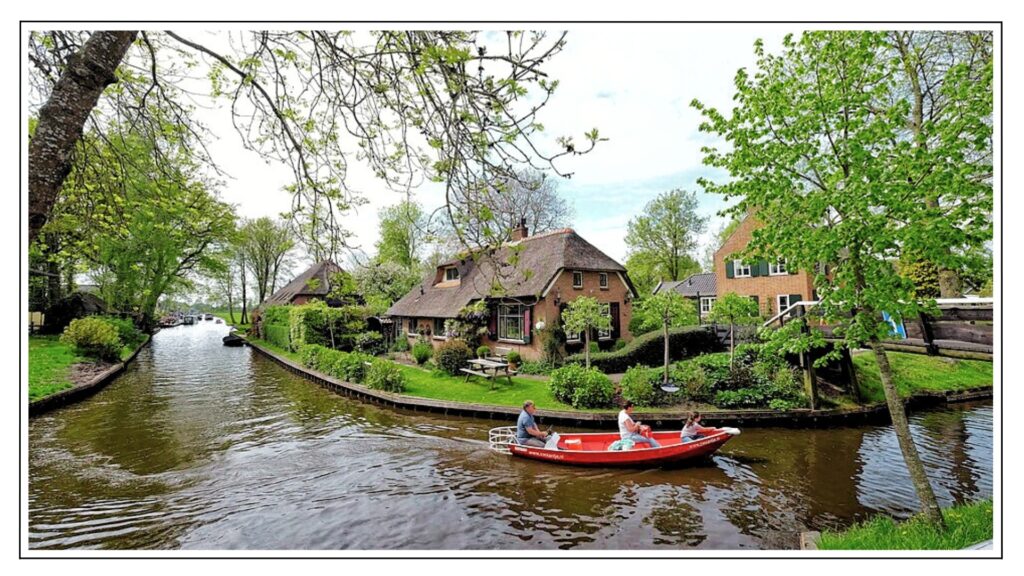
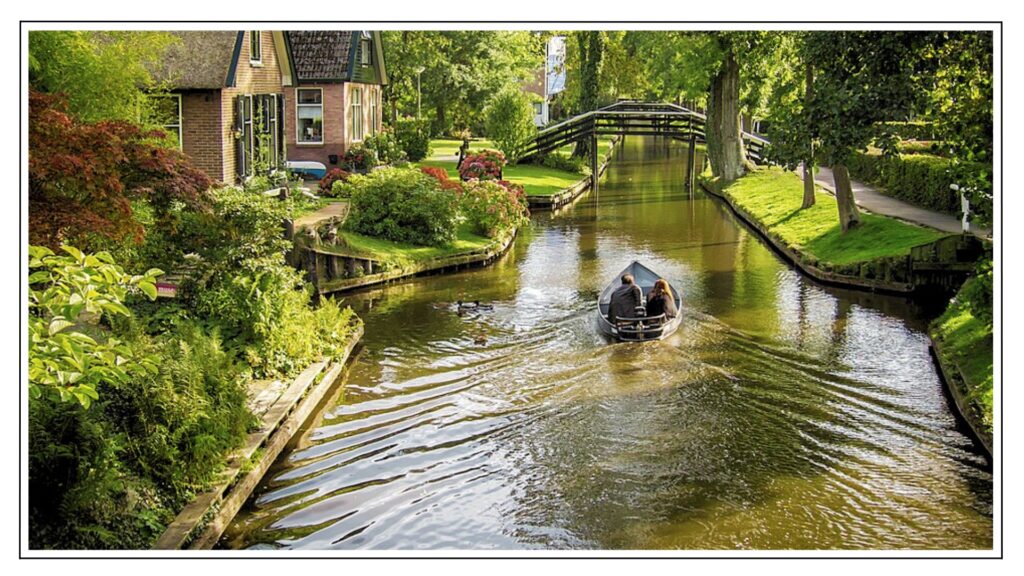
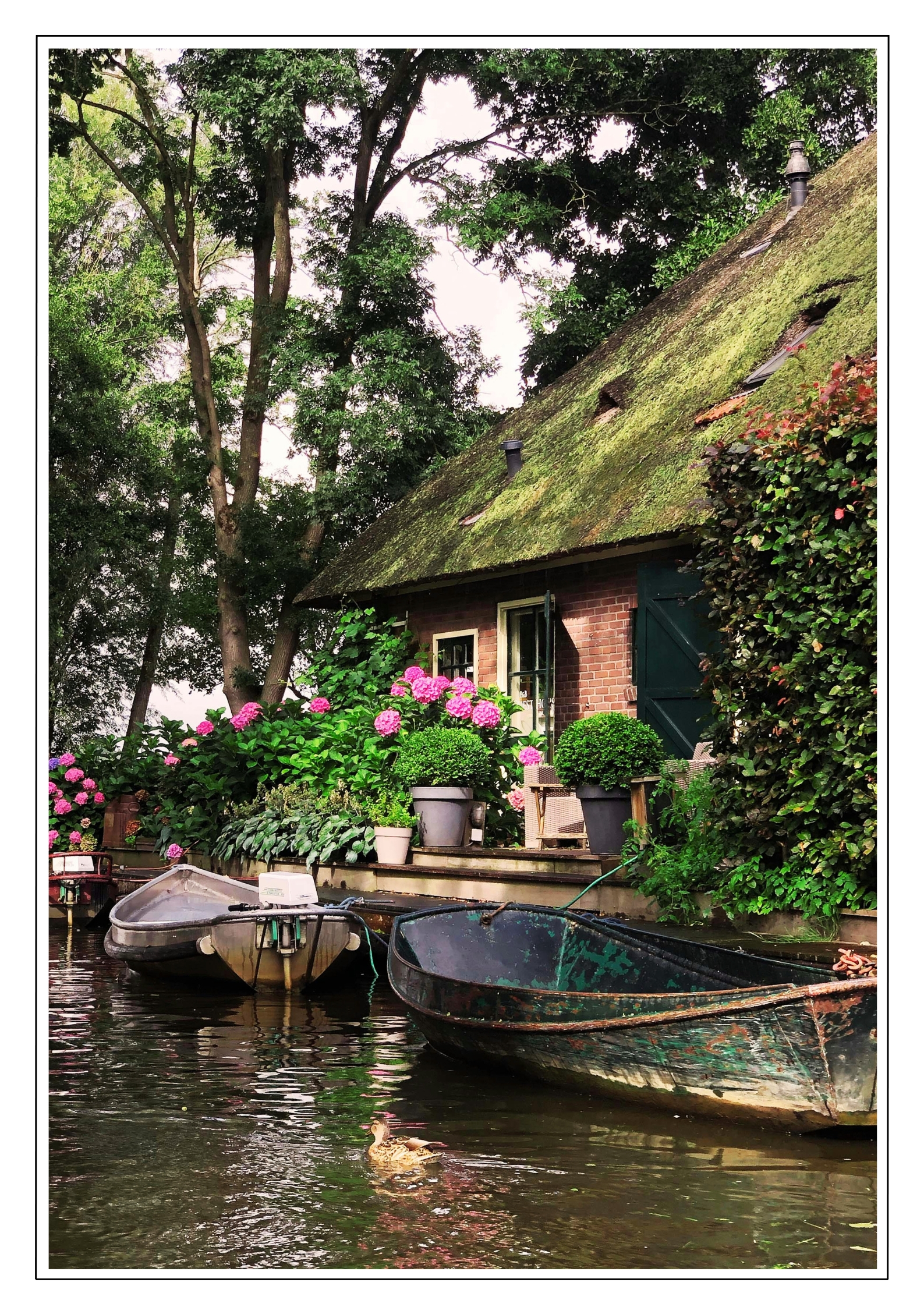
Giethoorn, often called the “Venice of the Netherlands,” is a serene canal village in Overijssel shaped by peat digging in the 13th century. Its historic heart, known simply as Giethoorn Village, is entirely car-free, with hand-dug waterways connected by over 170 quaint bridges and 18th–19th-century thatched farmhouses set on small interconnected islands. Visitors leave their cars at designated parking areas and explore the village by whisper boats, guided cruises, bicycles, or on foot along the Binnenpad, a picturesque path lined with Dutch cottages, museums, cafés, and local shops. With most travellers spending their time in this scenic central stretch, the village delivers a fairytale-like experience where quiet canals, traditional architecture, and peaceful Dutch countryside create an atmosphere that feels almost cinematic.
Attractions to explore in Geithoorn & nearby
- Glide through the postcard-perfect canals on a whisper boat.
- Geithoorns walking & cycling paths bear corners that one would miss from the waters, so make it a point to explore the village on foot or by bicycle.
- Explore the full of character museums of Geithoorn that have been consciously preserving the village’s cultural charm.
- Think terrace views, Dutch pancakes, homemade pies, and serene waterside ambience; that’s what you’d get on hopping cafes that sit right beside the canals.
- If you’re into canoeing, birdwatching, wildlife photography or you’re simply a nature enthusiast, then you must keep the wetlands in your itinerary.
- As for those who prefer stories over steering, may sign up for guided boat tours, where landing first-hand information involving stories, facts, and histories from the captain can add life to the tour.
Guide To Reaching The Village
By Air:
- The nearest major airport is Amsterdam Airport Schiphol, one of Europe’s busiest and best-connected hubs.
- From Schiphol, you can take a direct train to Zwolle (major transit city); it may take up to 1.5 hrs to reach. From Zwolle, take a bus (70/270) to Giethoorn; it may take up to 1–1.5 hrs to reach the destination.
By Train:
- Giethoorn does not have its own railway station, but it is well-connected via nearby cities. Travel to Steenwijk Railway Station, which is relatively the closest. From there you can take a bus or a cab; either will take you to your destination in about 20 minutes.
- Alternatively, you can also travel via Zwolle Station, which has more frequent train connections, and from there a bus ride will take you approximately 1-1.5 hrs to reach the village.
By Road:
- If taking frequent stops at every scenic view is how you plan your itinerary, then from Amsterdam, you can book a cab straight for a smooth and picturesque drive. It may take up to 2 hrs to reach the destination.
(Important note: Cars aren’t allowed inside the village. You can park at designated areas like P1 Parking (Giethoorn).
(Travel guidelines & logistics may vary depending on season & local updates. Since the above-mentioned information is based on current data from multiple sources, it is advisable for travellers to verify all details beforehand for a safe and seamless journey)
Bibury Village, England
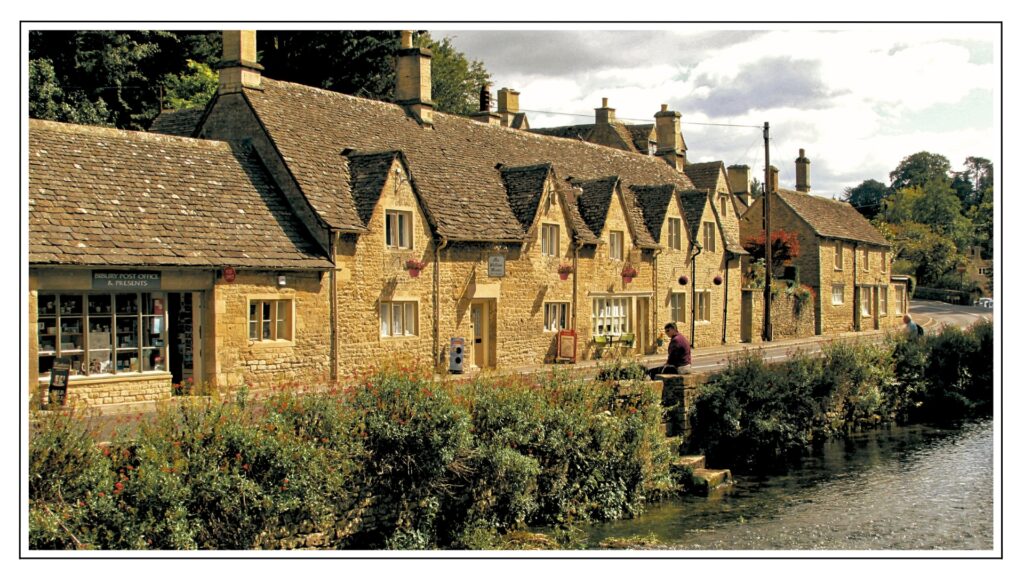
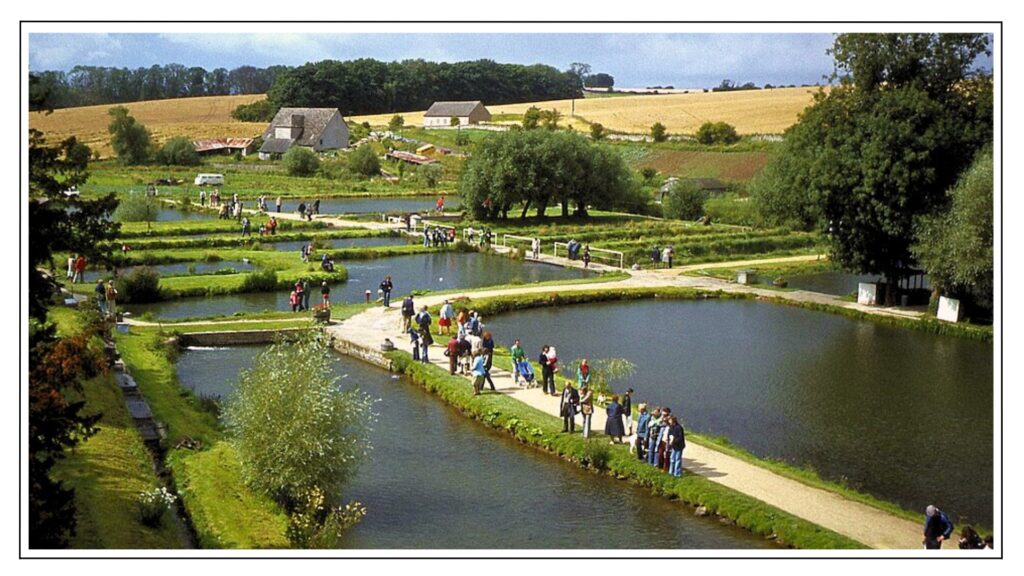
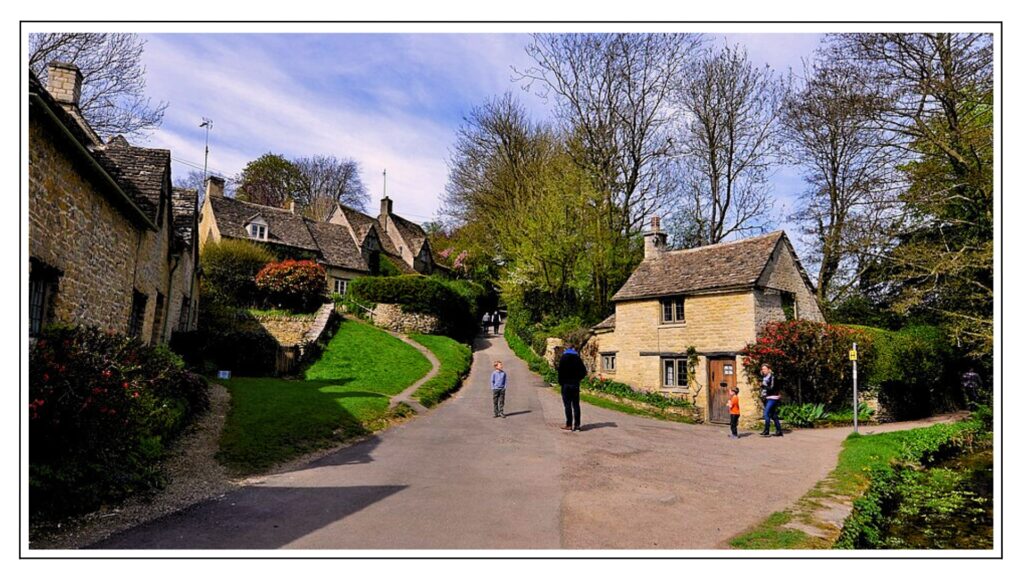
Pronounced “bye-buh-ree,” Bibury is the kind of English village where everything feels rooted in tradition, from its cottages to its riverside paths, making it easy to understand why people say it reflects an earlier era. This quintessential Cotswold village in Gloucestershire is best recognised for its honey-coloured cottages and Arlington Row, which began as a 14th-century monastic wool store before becoming weavers’ cottages in the 1600s. Today, the National Trust maintains it, and it’s even featured in UK passports. Set along the River Coln, with Rack Isle’s water meadows on one side and the village street on the other, Bibury offers one of the Cotswolds’ most photographed scenes. William Morris (the 19th-century designer & writer who shaped the Arts and Crafts Movement) once described it as “the most beautiful village in England,” a reputation that draws visitors year-round, often causing crowding during peak seasons. Beyond its architectural charm, Bibury invites travellers to explore attractions like the historic St. Mary’s Church and the Bibury Trout Farm—one of the oldest in the country—while its peaceful lanes, river views, and heritage-rich atmosphere make it especially rewarding to experience during quieter hours.
Attractions To Explore In Bibury & Nearby
Bibury Trout Farm – Exploring one of England’s oldest trout farms is said to be a calming experience, with riverside lawns that are ideal for a picnic on bright, sunny days.
The Village Post Office – This little Grade II listed post office has its own storybook charm; even if you’re not sending a postcard, it’s worth dropping by this stop for its old vintage
Chedworth Roman Villa – Just a short drive away, these Roman ruins open a window into a very old world—mosaic floors, rolling hills, and a sense of quiet history wrapped in Cotswold beauty.
Afternoon Tea at The Swan – Since the famous tea rooms closed, The Swan carries the tradition forward, offering a comforting spread of scones and warm brews in a cosy riverside setting.
Picnicking by the River Coln – On summer afternoons, the grassy banks near the river turn into the perfect place to sit back, unpack a simple meal, and enjoy Bibury’s easy countryside rhythm.
Cotswolds Wildlife Park & Gardens – A quick drive from the village takes you to a delightful mix of wildlife encounters and lush gardens—great for travellers who enjoy a playful break between sightseeing.
Stay at Number 9, Arlington Row – If you’ve ever imagined waking up inside a postcard, this historic cottage comes close; its old stone walls and warm interiors make it one of the most charming stays in the village.
Guide To Reaching The Village
By Air:
- The nearest major airport is Heathrow Airport, one of the UK’s busiest and best-connected international hubs.
- From Heathrow, travel into central London (Paddington Station) via the Heathrow Express or the London Underground. From London Paddington Station, take a direct train to Kemble (the closest railway station to Bibury); the journey takes approximately 1–1.5 hours.
- From Kemble, hire a taxi or pre-book a cab to Bibury, which is about 10 km away and takes 15–20 minutes.
By Train:
Bibury does not have its own railway station, but it is accessible via nearby towns.
- Closest Option: Travel to Kemble Railway Station, the nearest stop. From there, a short taxi ride (15–20 minutes) will take you directly to Bibury.
- Alternative Route: You can also travel to Swindon, a larger town with more frequent train connections from London (approx. 1 hour). From Swindon:
- Take a bus or taxi to Cirencester (around 30 minutes)
- Then continue by taxi to Bibury (15–20 minutes)
This route offers more flexibility but involves an extra transfer.
By Road:
If you prefer a slower, scenic approach, travelling by road is one of the best ways to reach Bibury—especially if you plan to explore the Cotswolds region.
- From London: The distance is approximately 140 km, and the journey takes around 2 to 2.5 hours depending on traffic.
- Common route: London – Oxford – Burford – Bibury
You can book a private cab, rent a car, or drive yourself. The roads pass through classic English countryside: rolling hills, stone cottages, and quiet village lanes.
(Important Note: Bibury is a small village with narrow lanes. Parking is limited, so use designated parking areas nearby and explore the village on foot).
(Travel guidelines & logistics may vary depending on season & local updates. Since the above-mentioned information is based on current data from multiple sources, it is advisable for travellers to verify all details beforehand for a safe and seamless journey)
Khonoma, Nagaland, India
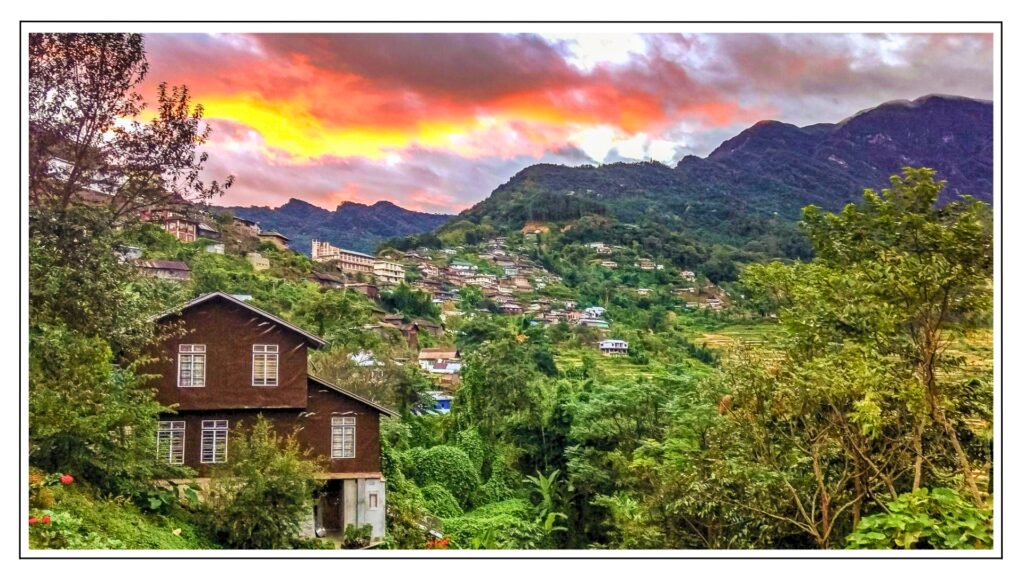
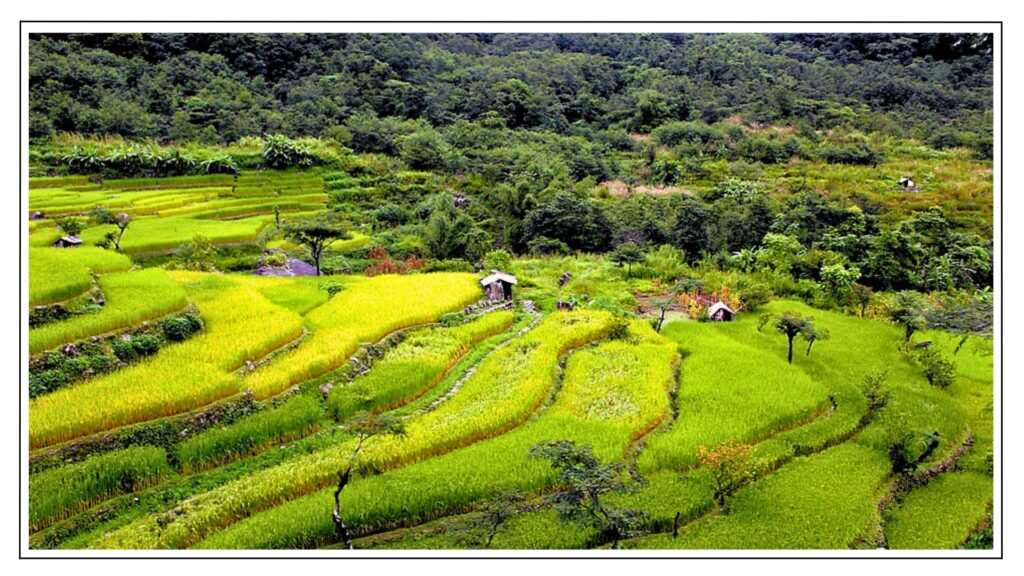
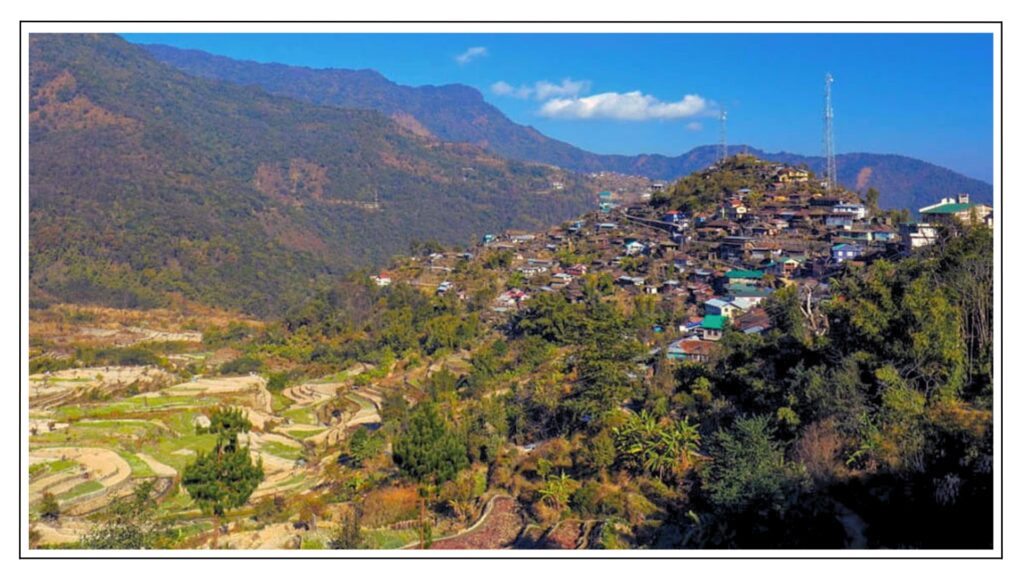
A settlement blanketed with lush green carpet, fields weaved across mountain slopes, a land that preserves its identity with intention – Khonoma village portrays every reason to draw versatile visitors, but especially for people who are passionate storytellers and eco-minded travellers, this rural destination must be in your bucket list at some point in time. Why? Because Khonoma isn’t just another scenic hill village; it’s a powerful example of what happens when a community comes together to collectively protect its land and its heritage with a promising objective. Tucked about 20 km from Kohima, this Angami settlement has transformed from a historical battleground into India’s first “Green Village,” making it a must-visit for travellers who value culture, sustainability, and immersive experiences.
It was the year 2005 when the village acquired the title after community hunting, slash-and-burn agriculture, and environmentally harmful practices. What’s more intriguing to know is that this village created its own 70 sq km community-led sanctuary – an exceptional measure long before conservation became a highlighted subject. Here, bamboo forests line the trails, and stone-paved paths run through the village’s heritage clusters, so for travellers, this means you’ll witness landscapes and biodiversity that genuinely feel untouched.
(Please note that there are several homestays within the village for those seeking an authentic experience of rustic living. Think unhurried mornings, crisp fresh air, and home-cooked local meals. For more upscale or contemporary stays, you’ll find a range of accommodations just a few kilometers away. Travellers often prefer staying in Kohima & visiting the village for the day. Hence, the recommendations listed here are not within Khonoma).
Attractions To Explore In Khonoma
- Given the rich background of this village, you wouldn’t want to sideline the idea of a guided heritage walk, through the old settlement – something that’ll acquaint you with traditional Angami architecture, wood-and-stone houses, carved gates, and memorial stones that outline centuries of lineage and culture.
- For trekking enthusiasts, bird lovers, and landscpae lovers, the Khonoma Nature Conservation & Tragopan Sanctuary (KNCTS) must be in your itinerary; for its scenic and rich in biodiversity trails will demand your attention.
- Sunrise in the terraced paddy fields of Dzulei is a delight to watch when layers of those terraces catch the golden light.
- It’d rather be rewarding to meet the local artisans of Khonoma, for the village is known for its weaving, cane & bamboo craftsmanship, and traditional tools plus the artisans don’t just sell their art but also wait for opportunities to narrate stories behind them.
- Nagaland’s cuisine is deeply rooted in local produce, fermentation, and slow-cooking traditions. So, don’t hesitate to widen your appetite there; especially for the smoked pork – a staple cooked wit bamboo shoot, and among everything else, save some space for their Raja mircha – the king of chillies; worth trying but use with caution.
Guide To Reaching The Village
By Air:
The closest airport to Khonoma is Dimapur Airport (DMU).
Dimapur has direct flights from a few major hubs; mainly Kolkata, Guwahati & Delhi. Because flights from the rest of India usually route through Kolkata or Guwahati, planning your trip via these two cities makes things smoother. Many travellers intentionally choose to fly into Guwahati because it’s a bigger airport with more flight options and often cheaper fares.
By Rail:
Dimapur Railway Station is the most accessible railhead in Nagaland & a convenient option for travellers coming from anywhere in India.Well-connected to major hubs such as Guwahati, Kolkata, Chennai, Bengaluru & Delhi, the trail from Assam to Nagaland is especially scenic.
By Road:
Travelling to Khonoma by road gives you the freedom to soak in Northeast India’s landscape at your own pace. The most common road route is:
Guwahati – Dimapur – Kohima – Khonoma
(Travel guidelines & logistics may vary depending on season & local updates. Since the above-mentioned information is based on current data from multiple sources, it is advisable for travellers to verify all details beforehand for a safe and seamless journey)
Mertola, Portugal
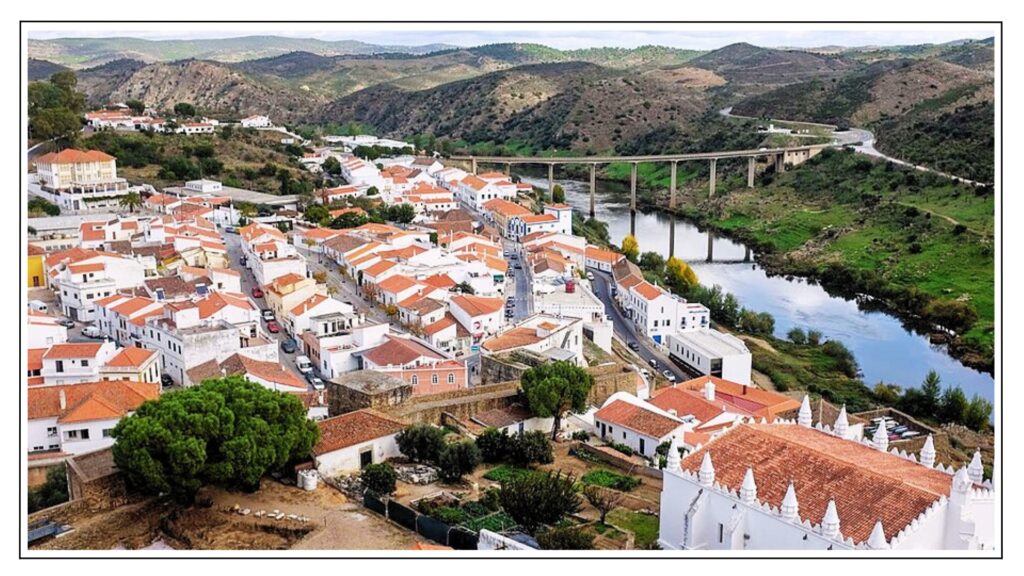
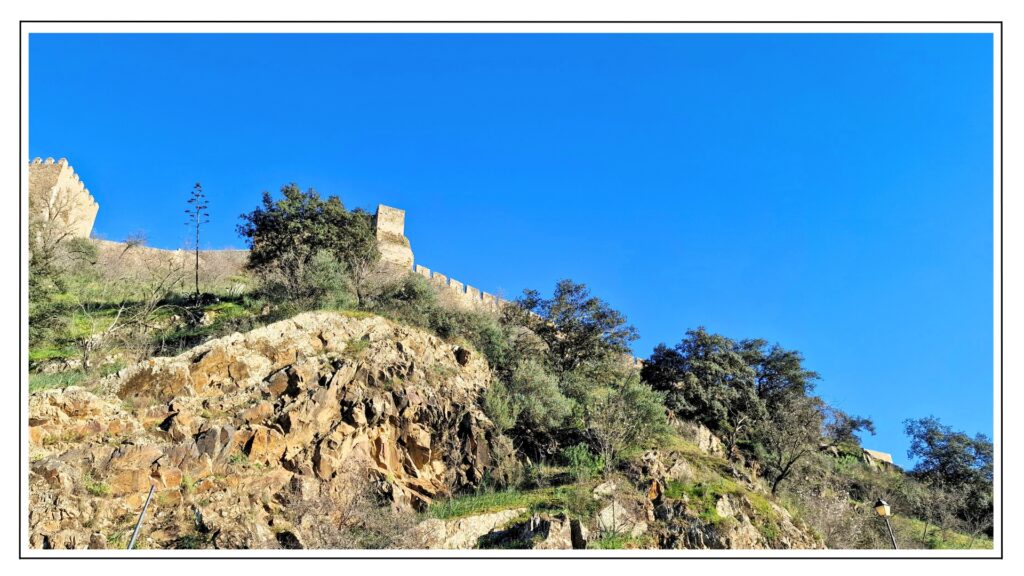
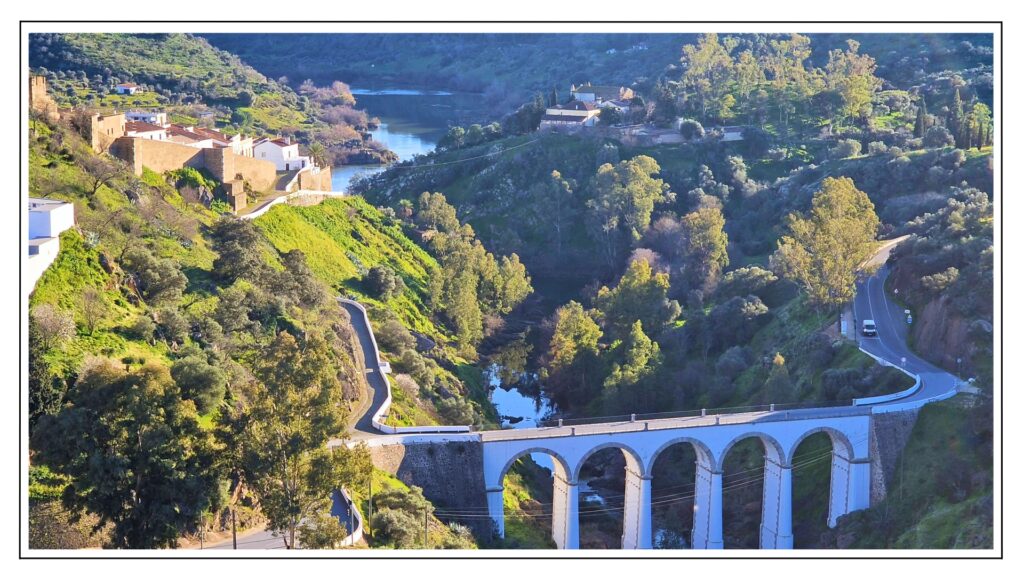
Perched high on a rocky spur above the shimmering above the Guadiana River, Mertola feels like a village & more like a story to be read. Often called a museum-village, this peaceful walled settlement in Alentejo’s Beja District wears its history on every corner. Centuries before mass tourism took hold, Mertola was a vibrant river port – a crossroads of trade & culture where Phoenicians Romans, Visigoths, Moors & Christians each left their imprint.
Spread throughout the old town are 14 unique museum nuclei, each revealing layers of the village’s past. In the Museu de Mertola and its Islamic Art collection, archaeological treasures from intricately patterned ceramics to metalwork and glassware, tell of a thriving medieval society once known as Martulah. The main church, originally a mosque, still retains its horseshoe arches, a rare vestige of Islamic architecture repurposed through the ages.
Attractions To Explore In Mertola
- Walk up to the hilltop fortress – Castelo de Mertola, that crowns the village. Mértola’s historic centre sits on a hill where the Oeiras stream meets the Guadiana River, giving the village its naturally strategic position. The castle’s vantage point gives you a clean, panoramic view of the red-roofed village and the Guadiana River below; a great way to understand the town’s layout, its strategic past, and the landscape that shaped its history.
- Disoc0ver the Mertola Museum Network where Mertola’s identity as a museum-village comes to life. With 14 museum sites spread across the village, you can dive into archaeology, sacred art, weaving, Islamic heritage, & everyday life through the ages. Among the village’s small but fascinating museum sites, you’ll come across Roman remains hidden beneath the town hall and one of Portugal’s most significant Islamic art collections housed in a former granary. A short walk away, the reconstructed two-room miner’s house near the tourist office offers a look at how its five former residents lived. Right beside it, the weaving museum and workshop showcases the region’s textile traditions, complete with a clear display of how wool was gathered, cleaned, spun, dyed and finally woven on traditional wooden looms.
Guide To Reaching The Village
By Air:
- For international travellers, the easiest way to begin your journey to Mertola is by flying into either Faro Airport or Lisbon Airport. Faro is physically closer, but Lisbon usually offers more international connections. So, depending on where you’re coming from, either one works well.
From Faro, you won’t find a direct train or single-step public transport route to Mertola. Instead, you can:
Rent a car at the airport and drive north for about 1 hour 40 minutes, the most convenient option by far.
Or take a bus from Faro Bus Terminal, usually with a transfer along the way. It’s a slower journey, but doable if you don’t mind the timetable.
From Lisbon, the experience is quite similar. There’s no direct train or flight connection to Mertola, so the final stretch will always be by road. You can:
Pick up a rental car and drive south for 2.5 to 3 hours, mostly on smooth highways.
Or catch a coach from Lisbon Sete Rios to Mertola, often via Beja. It’s straightforward, but schedules aren’t as frequent as those in bigger cities.
By Rail:
Even though Portugal has a well-linked rail system, trains don’t reach this part of Alentejo. So if your itinerary includes train travel:
You can ride as far as Beja or Vila Real de Santo Antonio, the nearest stations.
From there, you’ll need to switch to a bus or taxi for the final leg.
By Road:
Road travel is how most visitors ultimately reach Mertola.
From Lisbon:
The drive is relaxed, mostly highway, and takes around 2.5–3 hours. If you’re not driving, long-distance buses from Lisbon connect to Mertola, usually with a change in Beja. They’re reliable, just not extremely frequent, so planning ahead helps.
From Faro:
This is the quickest gateway. The IC27 road takes you straight into the Guadiana Valley region. If you’re arriving by flight, renting a car makes the whole route smooth and incredibly scenic. Buses do run, but with limited timings.
From Beja:
If you’re already exploring Alentejo, the hop from Beja to Mertola is easy. It’s less than an hour by car or taxi, and there are regular bus connections between the two.
(Travel guidelines & logistics may vary depending on season & local updates. Since the above-mentioned information is based on current data from multiple sources, it is advisable for travellers to verify all details beforehand for a safe and seamless journey)