
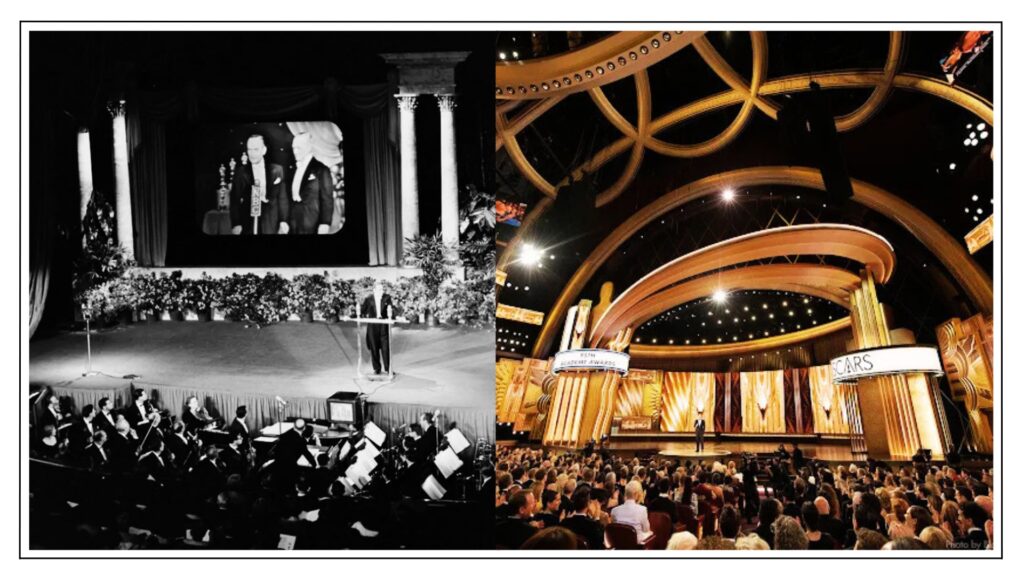
The Oscars: Stories Behind Hollywood’s Most Coveted Gold
The night the world holds its breath.
What You'll Discover
There are awards, and then there are Oscars. And, every year, a room goes quiet.
Beneath chandeliers, a sea of cameras, glittering gowns, red carpets, and emotional speeches; lies a story most viewers seldom explore. The night where roughly a thousand people in their finest attires, collectively hold their breath. A presenter tears open an envelope. A name is read. And somewhere in that room, someone’s entire life is about to change. That moment, is the Oscars. And if you have ever seen it on television and wondered why the whole world seems to care so intensely about a gold statuette, you are in exactly the right place.
The Academy Awards, popularly known as the Oscars, are widely considered the most prestigious honours in the global film industry. They are the oldest entertainment awards ceremony in the world. They are not just trophies handed out on a glamorous night in Hollywood, they are a culmination of dreams, decades, and defining moments in cinema. While for some, they are validation; for others, they are legacy. They have been the stage for some of the most legendary, controversial, heartbreaking, and genuinely hilarious moments in modern history. And behind all of it sits a century of Hollywood mythology that most people have not yet explored.
So, let’s step behind the curtain and explore the complete story of the Oscars: where the name came from, how it all began, what it means to win, what makes them the most coveted recognition in filmmaking, what happens after the gold-plated glory, and every remarkable chapter in between.
Editor's Note :
Filmmaking is one of the few creative pursuits in the world that demands hundreds of moving parts to come together in harmony before it can leave behind something unforgettable. What audiences witness on screen for a few hours is only the final layer of a much larger artistic undertaking built on sleepless nights, relentless discipline, creative instinct, technical precision, emotional endurance, and the invisible labour of countless individuals, many of whom never step onto a red carpet or into a spotlight for that matter. From junior artists and supporting cast, to writers and editors to costume designers, cinematographers, sound engineers, assistants, and production crews, cinema survives because of artists whose contributions often remain unseen. And perhaps that is why, in an era where recognition can sometimes feel influenced by visibility, lobbying, popularity, or industry politics, the idea of an award still carries such emotional weight. While several award platforms across the world continue to face criticism for losing touch with the very spirit of artistic recognition, the Oscars have largely managed to preserve a sense of prestige around the process. There remains a belief that behind every nomination lies serious consideration, fierce competition, and an attempt to honour craft at its highest level.
This piece was created not as a formal encyclopaedic breakdown of the Academy Awards, but as an invitation into its world. A world of gold statuettes, standing ovations, cinematic revolutions, political protests, unforgettable speeches, and the strange magic that allows a film to transcend the screen and live inside people forever.
Whether you grew up watching the Oscars religiously or simply knew it as “that big Hollywood award show,” this article aims to unfold the layers behind the spectacle and explore why, after nearly a century, the world still pauses when that envelope opens.
Birth Of Oscars: Before The Trophy, There Was A Problem
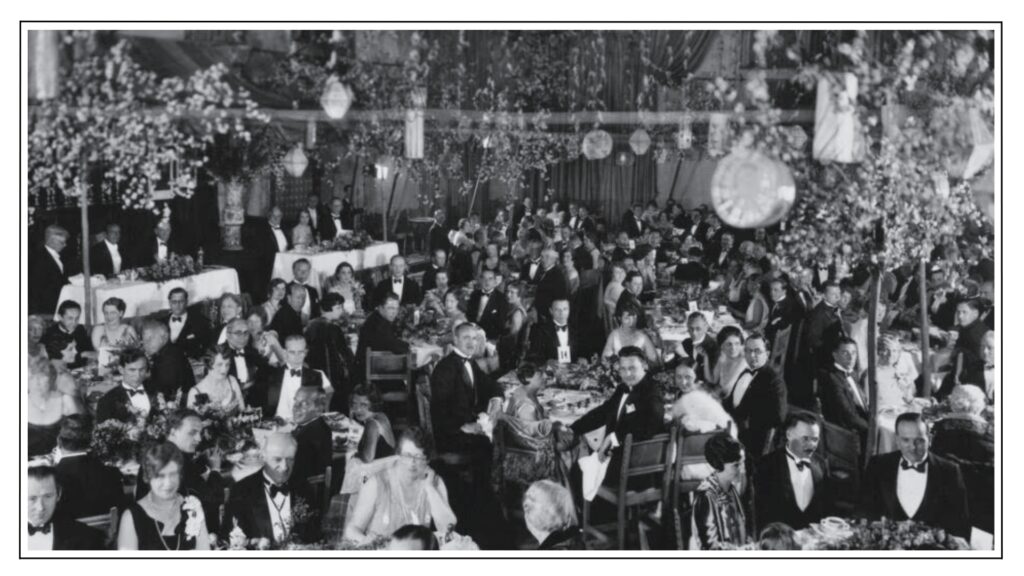
The year is 1927. Hollywood is young, chaotic, and very, very profitable. Silent films are giving way to talking pictures. Studio moguls are powerful beyond measure. And, underneath all the glamour, labour tensions are simmering.
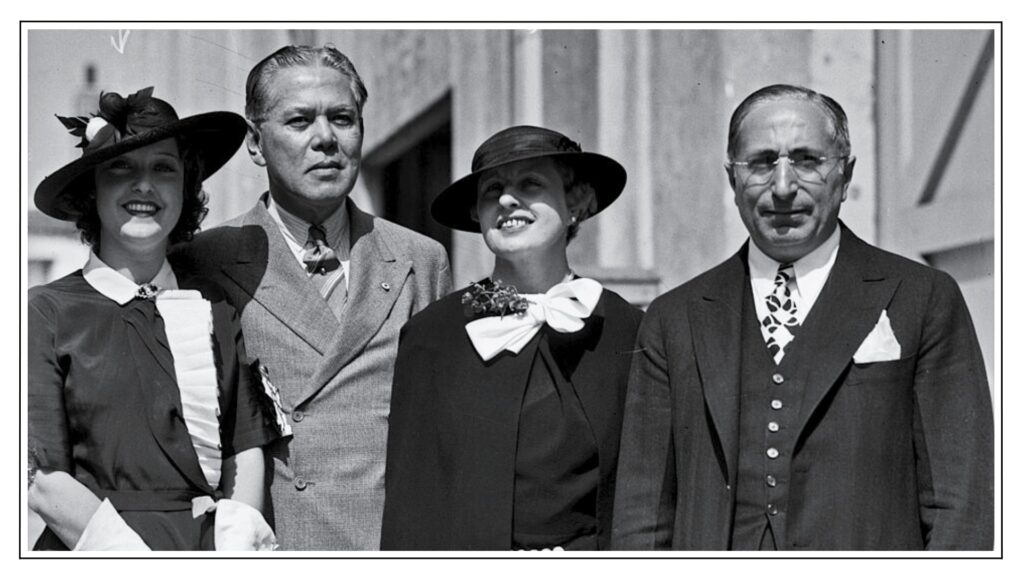
Louis B. Mayer, the formidable head of Metro-Goldwyn-Mayer (MGM), saw a situation that needed managing. He wanted an organisation that could mediate disputes between studios and their workers, keep the unions at bay, and burnish the film industry’s public image, which had taken some knocks from a string of off-screen scandals.
On January 11, 1927, Mayer invited thirty-six of Hollywood’s most influential figures to a formal dinner at the Ambassador Hotel in Los Angeles. Among them were legends like Douglas Fairbanks, Mary Pickford, and Cecil B. DeMille. That evening, Mayer unveiled his idea: an organisation he called the International Academy of Motion Picture Arts and Sciences.
Everyone in that room became a founder.
By May 4, 1927, the official Articles of Incorporation had been filed, the word “International” quietly dropped, and the Academy of Motion Picture Arts and Sciences was born. Douglas Fairbanks was elected its first president. The Academy’s initial membership was 230 people, each of whom paid $100 to join.
And the awards? They were almost an afterthought. The idea of giving prizes did not enter the conversation until May 1928, when a committee was finally formed to propose what would become the Academy Awards of Merit. The first ceremony was held on May 16, 1929, at a private dinner in the Hollywood Roosevelt Hotel. It lasted exactly fifteen minutes. Tickets cost five dollars. About 270 people attended. The winners had been announced three months in advance.
Nobody could have imagined what it would become.
The Academy Award was not born from art. It was born from a dinner party. The art, came later.
Why Is It Called Oscar? The Name That Stuck
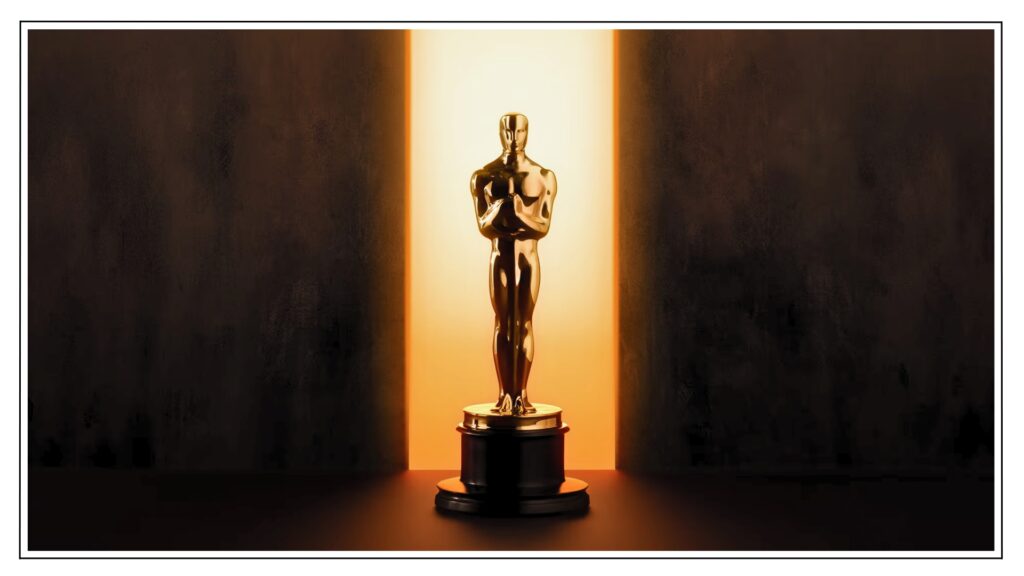
Interestingly, the golden statuette had no official nickname at first. The official name of the trophy is the Academy Award of Merit. But for nearly a century, the world has called it Oscar. The real story of how that happened is one of Hollywood’s most delightful unsolved mysteries.
The Uncle Oscar Theory
The most widely accepted explanation credits Margaret Herrick, who would go on to become the Academy’s first executive director. According to the story, Herrick saw the statuette sitting on an executive’s desk in the early 1930s and remarked casually that it reminded her of her Uncle Oscar. The Academy staff overheard the comment. The nickname stuck. Her uncle was one Oscar Pierce, a Texas farmer who was technically her first cousin once removed, though she affectionately called him uncle.
The Sidney Skolsky Theory
Entertainment journalist Sidney Skolsky claimed he invented the nickname himself in 1934, when he used it in print to deflate what he saw as the ceremony’s self-importance. He reportedly needed a word other than “statuette” while filing a column on deadline and reached for the name “Oscar” as a way of poking fun at the award’s grandiosity. A 1939 issue of TIME magazine credited him as the originator of the term.
The Bette Davis Theory
Actress Bette Davis, never one to go unnoticed, claimed she coined the name after noticing that the back of the statuette reminded her of her husband, Harmon Oscar Nelson Jr. The theory is charming but unlikely, since the nickname appeared in print before Davis won her first award in 1936.
The Eleanore Lilleberg Theory
A fourth theory, proposed by Bruce Davis, a former executive director of the Academy, points to Eleanore Lilleberg, an early Academy secretary who handled the statuettes before each ceremony. Davis found evidence in an autobiography by her brother suggesting she named the statue after a Norwegian army veteran she knew in Chicago, someone described as always standing “straight and tall.”
The Academy officially adopted the Oscar nickname in 1939. As for which theory is true, nobody knows for certain. The name that first appeared in mainstream print was used by journalist Relman Morin in December 1933, and even that was not the beginning. It may never be conclusively resolved. But perhaps that ambiguity is fitting. Hollywood has always run on a mix of fact and legend.
For a name that nobody can truly claim, it has become one of the most recognised globally.
What Is The Oscar Statuette Made Of? History, Design & Rare Facts Explained
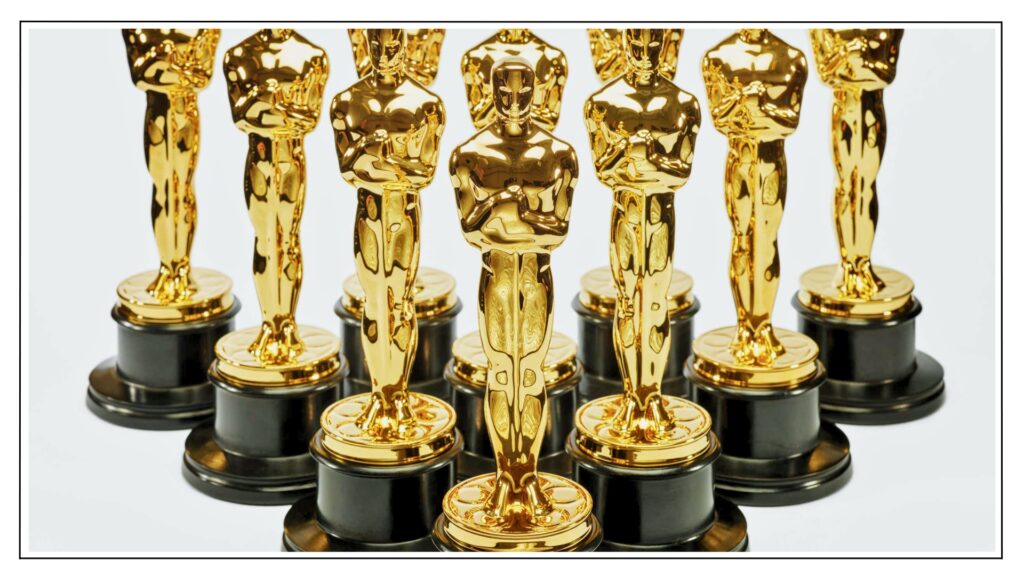
The Oscar statuette was designed by Cedric Gibbons, the art director of MGM (Metro-Goldwyn-Mayer), who sketched a knight gripping a sword and standing atop a reel of film. The five spokes of the film reel represented the five original branches of the Academy: actors, directors, producers, writers, and technicians.
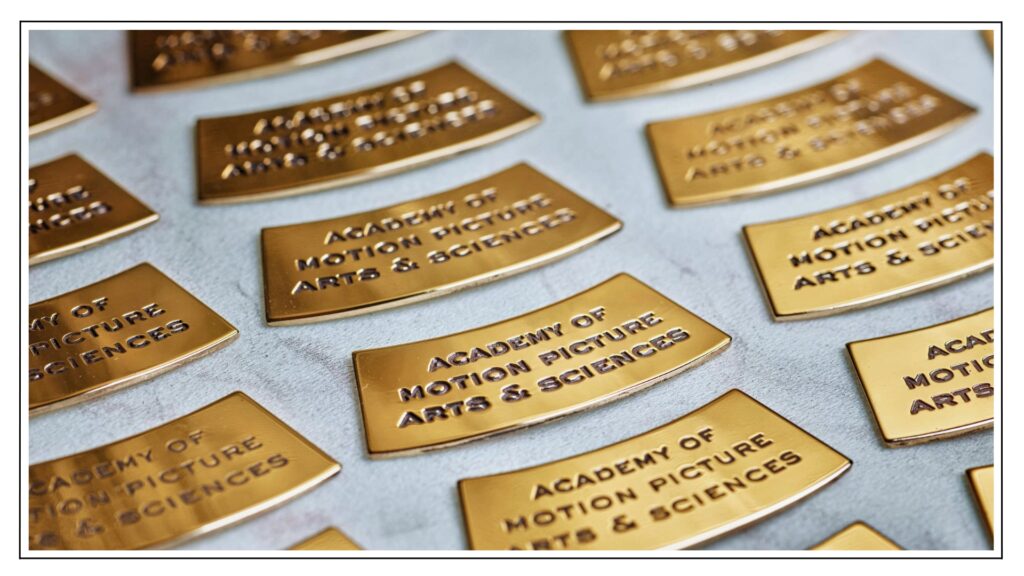
The statue stands 13.5 inches tall and weighs 8.5 pounds. It is made of solid bronze and plated in 24-karat gold. It costs approximately $400 to manufacture, and each batch of around fifty statues takes roughly three months to produce.
One unusual chapter in its production history was, during World War II, when metal shortages meant that Oscars were made from painted plaster for three years, from 1942 to 1945. After the war, the Academy invited recipients to exchange their plaster figures for proper gold-plated versions.
Since 1950, every winner has been required to sign an agreement stating that neither they nor their heirs may sell the statuette without first offering it back to the Academy for the price of one dollar. Violate that agreement, and the Academy has legal recourse to reclaim it.
Oscar Hammerstein II remains the only Oscar winner who shares a first name with his award. He won two of them, both for Best Original Song.
Read this article by CNN for an intriguing and detailed insight into the making of the Oscar trophies.
Inside The Academy Awards: How The Oscars Really Work
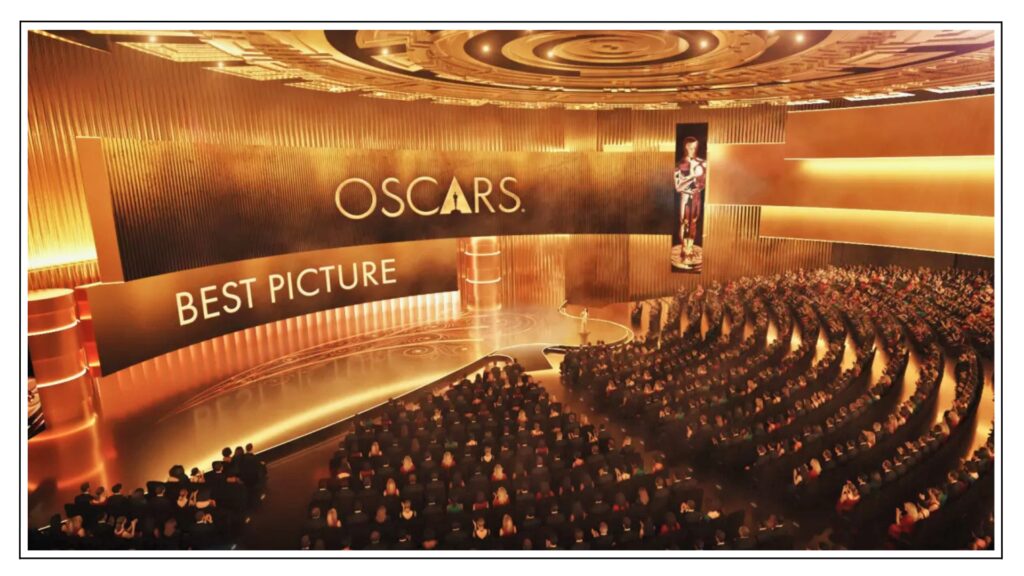
The Academy of Motion Picture Arts and Sciences currently has more than 11,000 voting members, each a working professional in the film industry, organised across 19 branches representing different crafts. Membership is by invitation only, and is based on significant achievement.
Each year, eligible films must meet specific criteria to qualify for consideration. Generally, a film must have had a theatrical release within Los Angeles County during the calendar year. The voting process happens in two stages: first, members nominate within their own branch (so editors nominate in the editing category, directors in directing, and so on), and then the full membership votes on the nominees to determine winners. The notable exception is Best Picture, for which all members nominate and all members vote.
Votes have been certified by PricewaterhouseCoopers, and its predecessor Price Waterhouse, since the 7th Academy Awards in 1935. The sealed-envelope system that audiences recognize on television was introduced in 1941, after the Los Angeles Times prematurely published the winners’ names in 1940.
The ceremony itself is broadcast live on ABC and reaches more than 200 territories worldwide. It is held at the Dolby Theatre at Ovation Hollywood in Los Angeles, typically in late February or early March.
The major categories include Best Picture, Best Director, Best Actor and Actress in a Leading Role, Best Actor and Actress in a Supporting Role, Best Original Screenplay, Best Adapted Screenplay, Best Cinematography, Best Film Editing, Best Original Score, Best Visual Effects, Best Costume Design, Best Production Design, and Best International Feature Film, among others.
Academy Awards Legacy: Oscar Moments That Made History
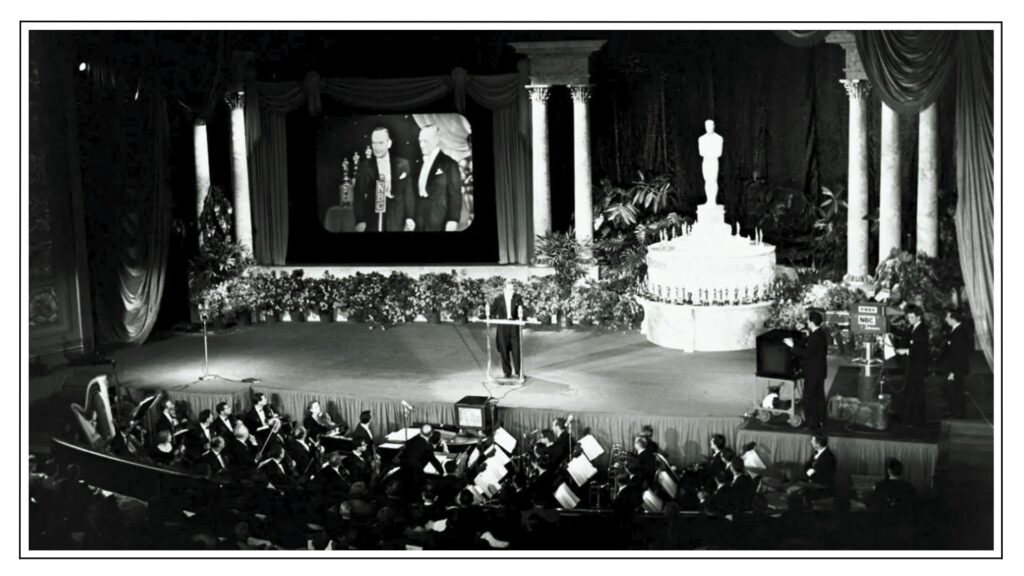
The first academy Awards ceremony was a quiet dinner with no broadcast, no red carpet, and no sealed envelopes. The second, in 1930, became the first to air on radio. By 1940, the ceremony had grown into a formal event, though the audience was still only a fraction of what it would become.
Everything changed when the 1953 ceremony became the first to be televised. Suddenly, millions of Americans who had never set foot in Hollywood could watch the most glamorous night in movies. This was the moment the Oscars became a cultural institution rather than simply an industry event.
1972: Charlie Chaplin’s 12-Minute Standing Ovation
When Charlie Chaplin returned to the Oscars after two decades of exile from the United States, the room did something rare. It stood still before it rose. Honoured with an Honorary Academy Award at the Academy Awards in 1972, Chaplin received what remains one of the most powerful acknowledgements in cinematic history. The audience rose to its feet and stayed there for nearly 12 minutes, the longest standing ovation ever recorded at the Oscars.
It was not just applause. It was reconciliation. It was recognition of a man who had shaped the language of cinema itself. In that moment, the industry did not just celebrate an artist. It welcomed back a legacy.
1973: Marlon Brando Says No
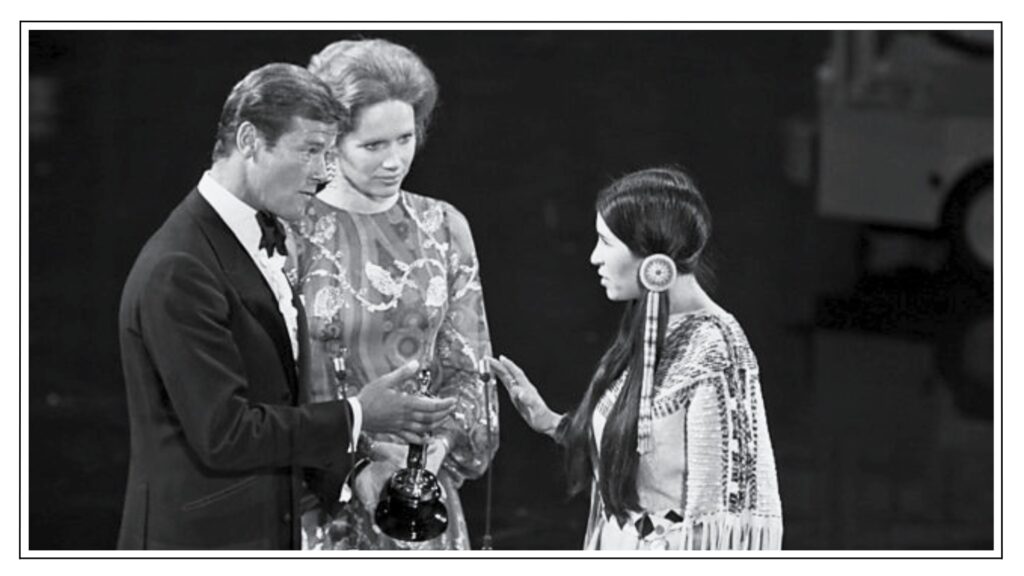
Marlon Brando won Best Actor for The Godfather, one of the most celebrated performances in film history. He did not attend the ceremony. Instead, he sent Native American activist Sacheen Littlefeather to the stage in his place. She held up her hand as presenter Roger Moore offered her the award, declining it on Brando’s behalf. In a stunned auditorium, Littlefeather explained that Brando could not accept due to Hollywood’s treatment of Native Americans and in solidarity with the occupation at Wounded Knee. The audience’s reaction was a mixture of applause, cheers, and boos. It remains one of the most politically charged moments in Oscar history.
1998: Titanic’s Monumental Win
Titanic tied the record with 11 Oscars, marking a monumental achievement in cinematic storytelling.
2020: Parasite Makes History
Parasite became the first non-English language film to win Best Picture; a global shift in how cinema is valued.
What Does It Actually Mean To Win An Oscar?
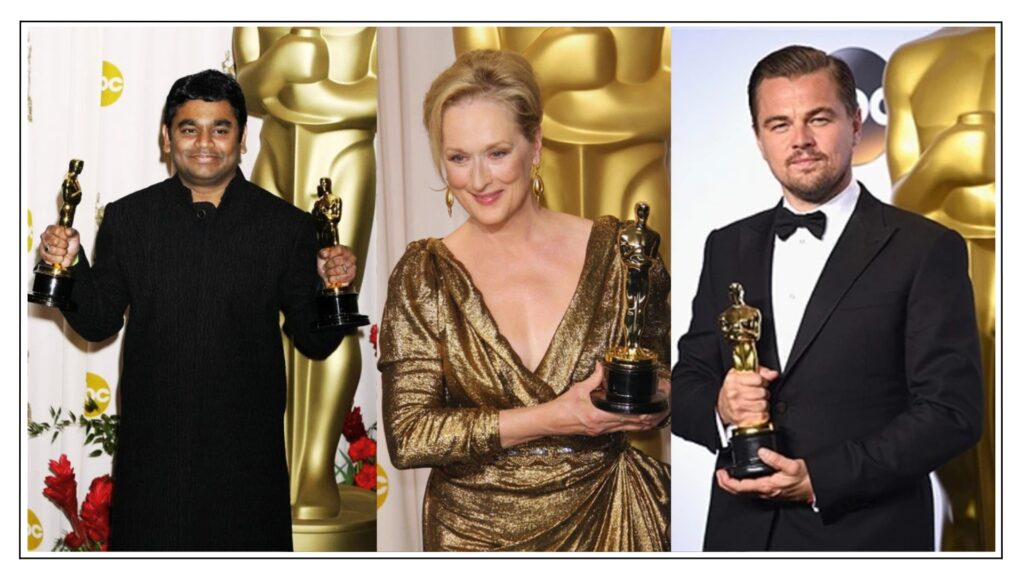
People talk about the Oscars as the pinnacle of achievement in film. But what does that actually translate to in real life?
The Career Shift
Winning an Academy Award is one of the few events in the entertainment industry that can genuinely rewrite a person’s career trajectory overnight. An Oscar win for an actor typically triggers a surge in demand. Fees go up. Scripts that were previously unavailable suddenly land on your desk. Studios that once passed on you begin competing for your attention.
For films, the effect is equally dramatic. A Best Picture win drives a measurable spike in box office revenue and streaming numbers. Studios spend, on average, around $25 million on awards campaigns specifically because the return on a win is so significant.
The Prestige Economy
The Oscar is not merely an industry prize. It functions as a kind of cultural currency. A film described as “Oscar-winning” carries a different weight with audiences than any other descriptor. It signals that a group of the industry’s most seasoned professionals voted, after careful deliberation, that this particular work represented excellence. That signal resonates far beyond Hollywood.
The Fine Print
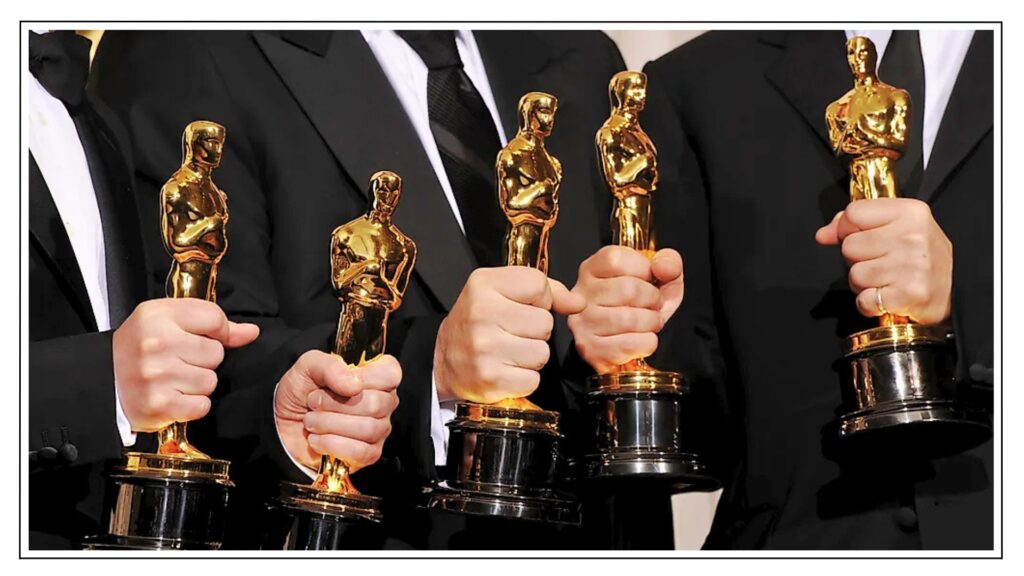
There is one thing winners cannot do with their Oscar. They cannot sell it. Since 1950, the Academy has required all recipients to sign a legal agreement stating that neither they nor their heirs may sell the statuette without offering it back to the Academy for one dollar. The Academy takes this seriously. When Orson Welles’ Oscar for Citizen Kane was auctioned in 2011 after his heirs successfully challenged the agreement in court, it sold for over $861,000. The Academy subsequently tightened its rules.
The Speech
There is no official time limit written in stone, but winners are gently nudged off the stage by the orchestra within about 45 to 90 seconds. Some speeches are unforgettable. Many are spent thanking agents. The longest acceptance speech in Oscar history was delivered by Adrien Brody in 2026, running five minutes and 36 seconds after his Best Actor win for The Brutalist, narrowly edging out a record set by Greer Garson in 1943.
What Happens After Winning An Oscar?
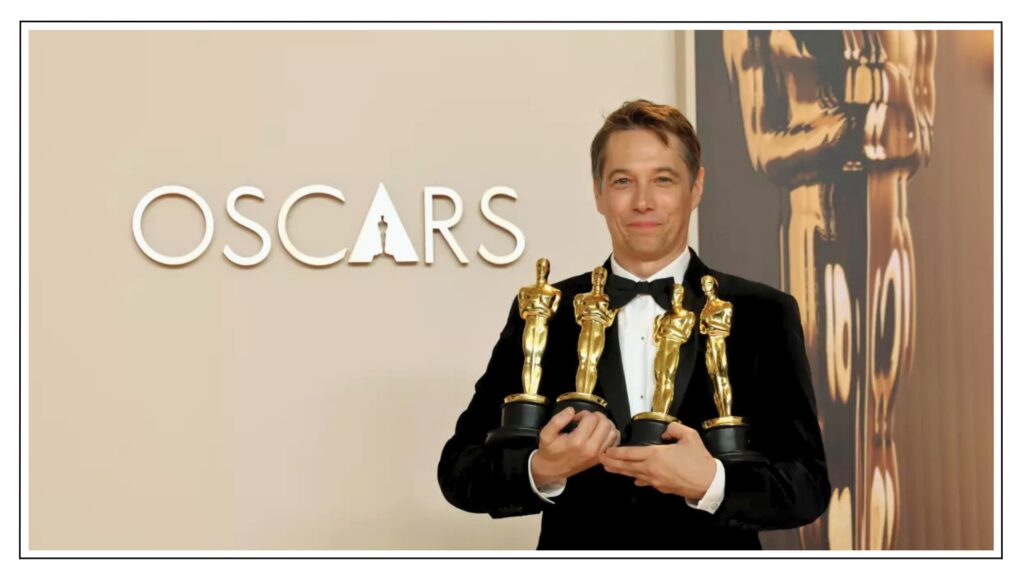
Winning the Academy Award – from red carpet to reality
The ceremony ends. The champagne is poured. And then reality begins.
Winners do not carry their Oscars home that night. The statuettes presented at the ceremony are engraved backstage at the Governors Ball, the official post-ceremony dinner, and handed back to recipients there. From that moment, the Oscar is yours to keep, display, lend to a museum, or keep in a box in the garage. Many actors admit to the latter.
What follows in the days and weeks after a win is an avalanche of media attention, interview requests, and professional opportunities. For supporting players and documentary filmmakers, a win can mean the difference between a career with consistent work and one that struggles for recognition. For already-established stars, it adds a permanent prefix to their name that follows them for the rest of their careers.
There is also the phenomenon, this conjecture known as the “Oscar curse“, a much-discussed but largely anecdotal pattern in which actresses in particular experience a dip in prominent roles after winning. Whether this reflects industry bias or simply the mathematics of living up to a peak, it has been noted enough times to warrant its own cultural shorthand.
For films, the long-term legacy of an Oscar win can be profound. Some Best Picture winners have been largely forgotten. Others, like All Quiet on the Western Front, Parasite, or Moonlight, have become touchstones in the ongoing conversation about what cinema is for.
The Oscar doesn’t define a career. But it does create a significant before and after.
Why The Academy Awards Still Matter In Modern Cinema
There are dozens of film awards in the world. The BAFTAs, the Golden Globes, the Critics’ Choice Awards, and the Screen Actors Guild Awards, each credible and celebrated in their own right. So why does the Oscar hold a different place in the cultural imagination?
Part of the answer is age. The Academy Awards are the oldest entertainment awards ceremony in the world, full stop. Nearly a century of history gives them a weight that no newer award can replicate.
Part of it is scale. The Oscars air in more than 200 territories. They are one of the few remaining events that functions as shared, global, live television. In an era of fragmented media, that collective experience is increasingly rare and correspondingly precious.
Part of it is the spectacle. The red carpet, the fashion, the speeches, the occasional disaster, all of it unfolds in real time. You cannot pause it. You cannot predict it. And as any loyal viewer will tell you, you absolutely cannot look away.
But the deeper reason, perhaps, is that film itself occupies a unique place in human experience. We go to movies together. We bring our children to them. We quote them at dinner tables. When the Oscars honour a film, they are, in a way, honouring something that lived in us. A great film is not just entertainment. It is a memory, a conversation, a feeling. That is what the gold statuette is standing in for. Not just a performance or a script or a visual effect. A feeling, and that, after all this time, is why the world holds its breath when the envelope opens.
What Comes Next For The Academy Awards?
New award categories are being added: Achievement in Casting from the 98th ceremony in 2026 and Best Stunt Design from the 100th ceremony in 2028. The question of streaming eligibility, once a fiercely contested frontier, continues to be negotiated as the industry changes around it.
The core of the thing, however, has not changed since that first dinner in 1927. A group of film professionals gathers, watches everything on offer, votes, and names the best. Then the world watches to see if it agrees. After nearly a century, that argument still feels worth having.
All facts were verified against primary sources, including the Academy of Motion Picture Arts and Sciences, Britannica, HISTORY.com, and NPR.

Trained in journalism but a writer by choice, by profession & passion, she turned away from the confetti of corporate titles to pursue a rarer currency – meaning! The quiet urge to sincerely practice storytelling, perspectives & exploring ideas beyond boardrooms, trends & targets, kept feeding the fire within. Hence, after much delay, driven by intention & sustained by coffee in an era accelerated by algorithms, she is working with patience & principle to uphold the integrity, depth & permanence of the written word. This magazine aims to sustain as a platform for artists across the globe – a space built on the belief that bonafide artists and writers do not “generate” work, they “craft” it. The pieces here aren’t shaped to fit market trends, but are published with intention. Because, when the focus is the craft of writing, the discipline of storytelling & the value of art itself, Coffee & Kala doesn’t look for a “why.” It goes on to cover anything & everything that meets its attention.
Interestingly, the golden statuette had no official nickname at first. The official name of the trophy is the Academy Award of Merit. But for nearly a century, the world has called it Oscar. The real story of how that happened is one of Hollywood's most delightful unsolved mysteries. The name “Oscar” became popular after Academy librarian Margaret Herrick reportedly said the statuette resembled her Uncle Oscar. The name was officially adopted in 1939.
The Oscars, officially known as the Academy Awards, are the most prestigious film awards in Hollywood, presented annually to honour excellence in cinema across acting, directing, writing, music, production, and technical crafts.
No. Since 1950, Oscar winners and their heirs must first offer the statuette back to the Academy for one dollar before attempting to sell it privately.
The Academy of Motion Picture Arts and Sciences was founded in 1927, with major involvement from Louis B. Mayer of Metro-Goldwyn-Mayer (MGM) to celebrate and promote excellence in filmmaking.
The Oscar trophy is made of solid bronze and coated in 24-karat gold. It stands 13.5 inches tall and has become one of the most recognizable symbols in entertainment history.
Oscar winners are selected by thousands of members of the Academy of Motion Picture Arts and Sciences, all of whom are working professionals from different branches of the film industry.
Titanic, Ben-Hur, and The Lord of the Rings: The Return of the King share the record for the most Oscar wins, with 11 Academy Awards each.
In 1972, Charlie Chaplin received an Honorary Academy Award and was honoured with a nearly 12-minute standing ovation, the longest in Oscar history.
The Academy Awards, popularly known as the Oscars, are widely considered the most prestigious honours in the global film industry. They are the oldest entertainment awards ceremony in the world. They are not just trophies handed out on a glamorous night in Hollywood, they are a culmination of dreams, decades, and defining moments in cinema. Winning an Academy Award is one of the few events in the entertainment industry that can genuinely rewrite a person's career trajectory overnight. An Oscar win for an actor typically triggers a surge in demand. Fees go up. Scripts that were previously unavailable suddenly land on your desk. Studios that once passed on you begin competing for your attention.
The Oscars represent more than celebrity culture. They celebrate storytelling, artistic achievement, and films that leave a lasting emotional and cultural impact across generations.
Yes. Marlon Brando famously declined his Best Actor Oscar for The Godfather in 1973 as a protest against Hollywood’s treatment of Native Americans.
Linda Hunt remains the only actress in Academy Awards history to win an Oscar for portraying a male character. She won the Best Supporting Actress award for playing photographer Billy Kwan in “The Year of Living Dangerously.”
Bhanu Athaiya became the first Indian woman to win an Oscar. She received the Academy Award for Best Costume Design for "Gandhi" in 1983, marking a landmark moment for Indian cinema on the global stage.
Yes, India has won several Academy Awards over the years across different categories. Some notable wins include A. R. Rahman for “Slumdog Millionaire”, Resul Pookutty, Bhanu Athaiya, and the global success of “Naatu Naatu” from “”RRR, which won Best Original Song in 2023.
Walt Disney holds the record for the most Oscar wins in history, with 22 competitive Academy Awards and 4 honorary Oscars. His influence on animation and entertainment continues to shape Hollywood decades later.
Winning an Oscar does not come with direct prize money from the Academy. However, the recognition often leads to significantly higher salaries, larger projects, endorsement opportunities, and long-term career growth within the film industry.
The statuettes are not entirely made of real gold. However, they contain real gold plating. The trophy is primarily made of solid bronze and finished with a layer of 24-karat gold, giving it the iconic golden appearance recognised worldwide.
© 2025 Coffee & Kala. All original editorial content of this publication is protected under copyright and intellectual property laws. Third-party media is credited to respective owners and used in accordance with usage rights.