
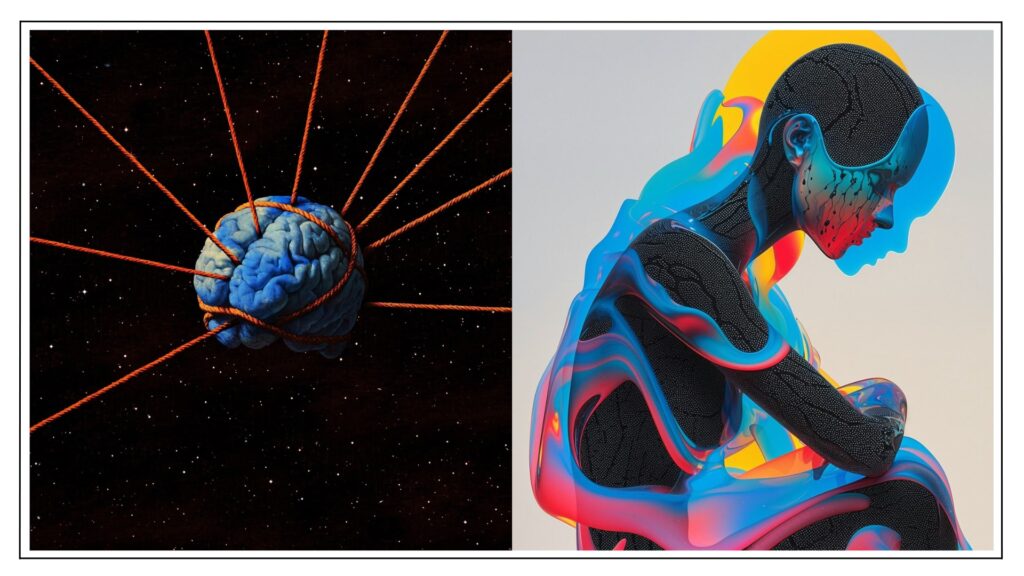
The Language Of Creativity Through The Lens Of Mental Health
A deep dive into the science, the stories, and the soul behind art, mental health and creativity.
Does Mental Health Influence Creativity? Or Does Creativity Influence Mental Health?
There are days, when the human mind feels too crowded for language. Grief that sits too heavy for sentences. Anxiety that moves too fast for words. Thoughts arrive in fragments. Emotions become heavier than silence. Joy that spills beyond the edges of speech. And then, there’s art; the ancient, instinctive answer to all of it. Somehow at some point, a blank canvas, a melody, a poem, or a photograph manages to hold what words cannot. That’s where the conversation between mental health and artistic expression begins. This relationship is not a modern discovery. It is as old as the cave paintings of Lascaux, as intimate as a poet’s midnight scrawl, and as raw as a painter’s brushstroke at 3:00 am; when the rest of the world is asleep. What we’re only now beginning to understand through neuroscience, psychiatry, and lived human experience, is just how profoundly mental health influences creativity, artistic expression, and the emotional architecture of the creative mind.
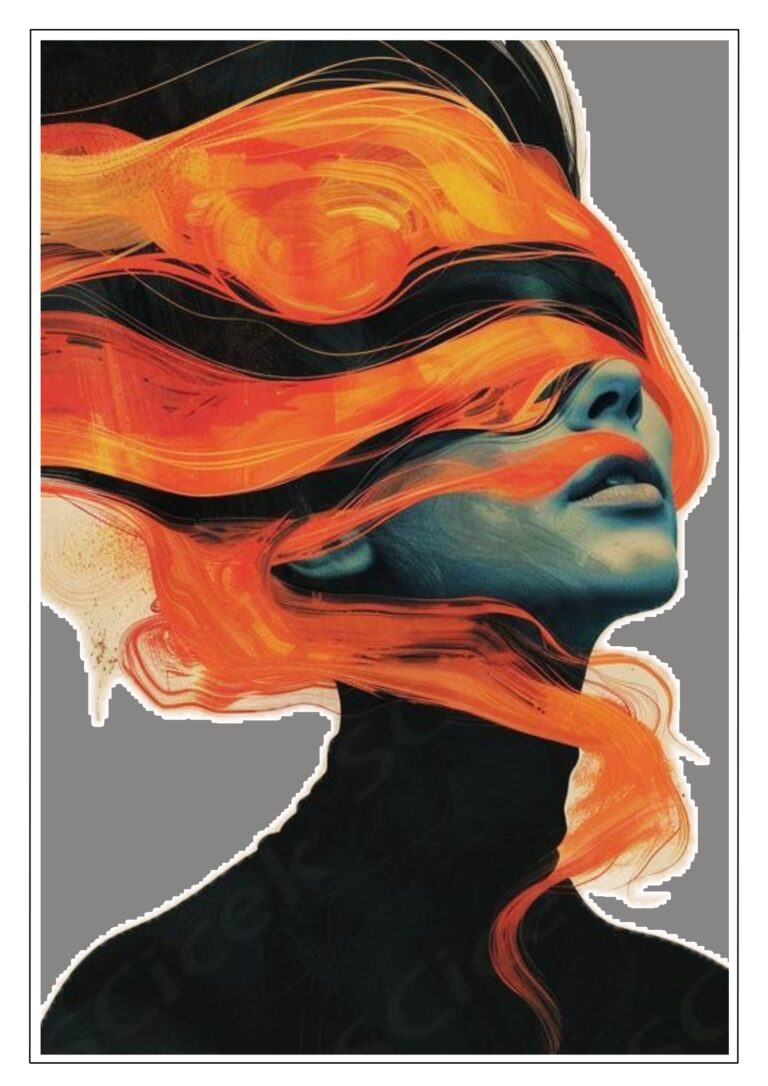
For centuries, artists, writers, musicians, photographers, and storytellers have transformed pain into beauty. They have turned confusion into colour, grief into poetry, and anxiety into movement. The relationship between art and mental health has fascinated psychologists, neuroscientists, and philosophers for decades. Today, modern research continues to explore how mental health shapes creativity, artistic perception, and emotional expression through art. Now, think of it as a conversation, where, while the mind speaks in emotion, creativity transforms those emotions into artistic expression.
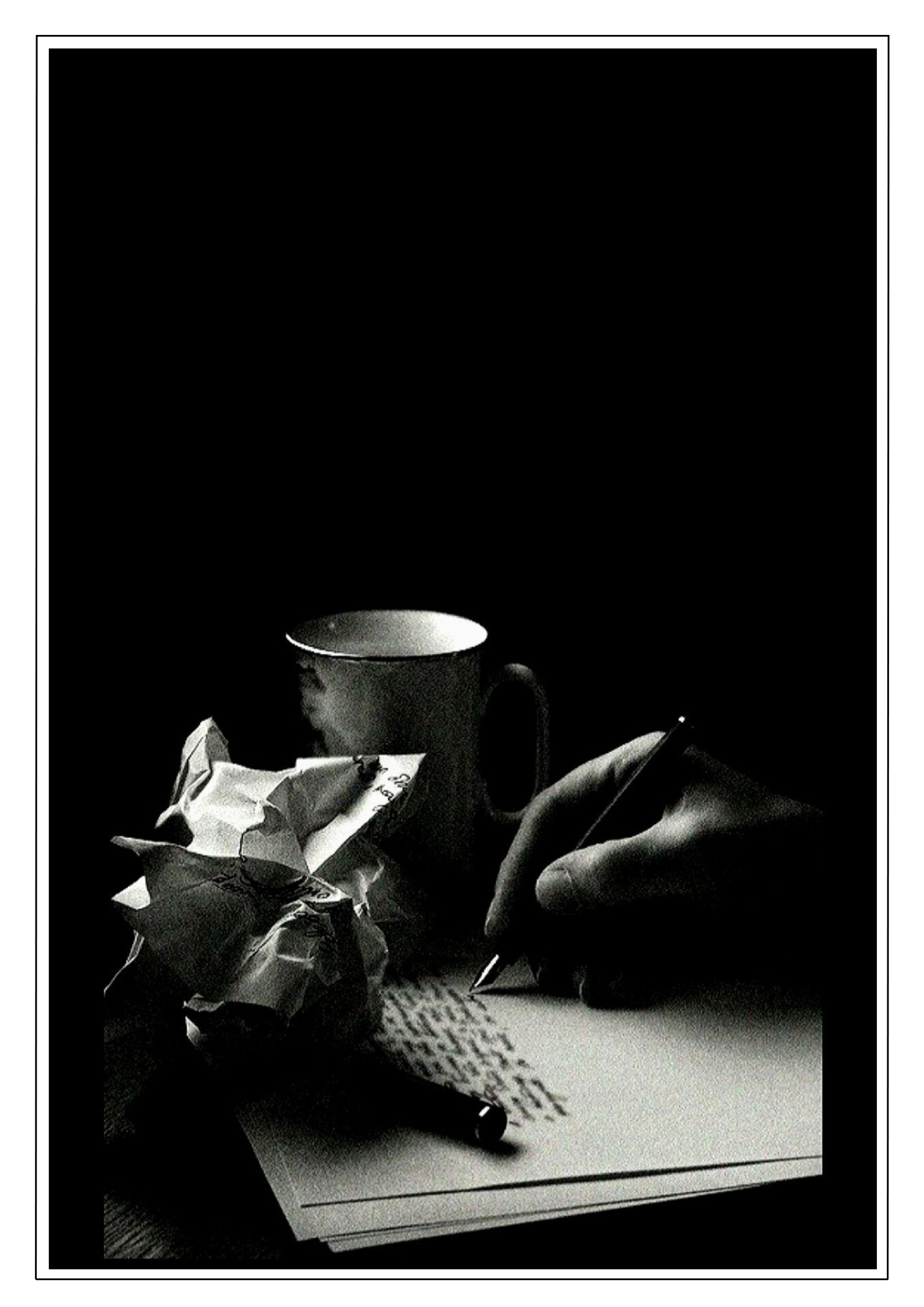
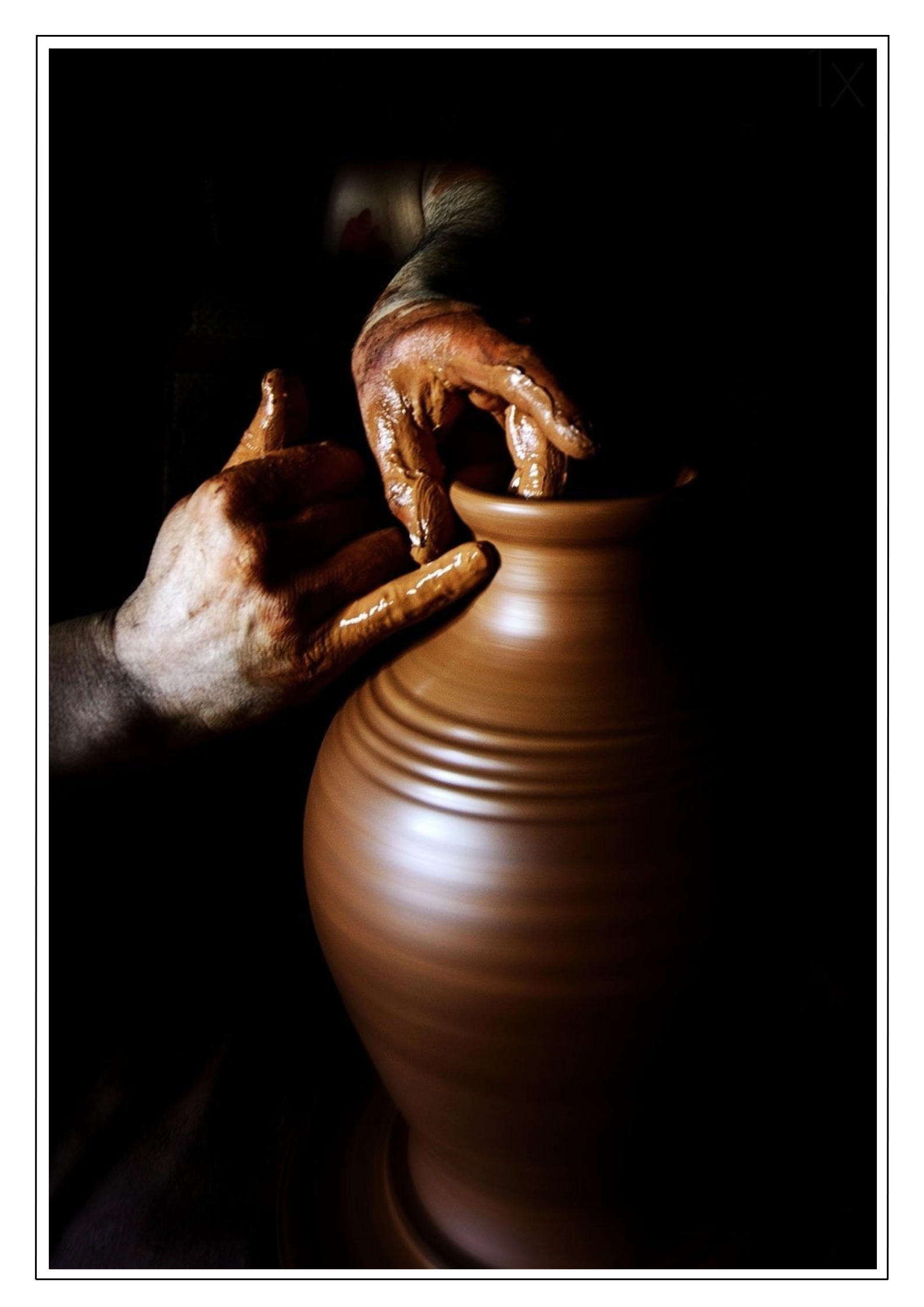
Scientists now study the impact of depression on a creative mind, the emotional patterns behind creativity, and the role of creative coping mechanisms in emotional survival. Therapists across the world increasingly advocate the benefits of art therapy, especially for anxiety, trauma, stress, and depression. From journaling and painting to filmmaking and photography, people are discovering reflective forms of healing through creativity, emotional expression, and creative coping mechanisms.
This, is not a story about “tortured artists.” That trope is tired, reductive, and ultimately unkind to both art and illness. This, is a story about how mental health influences creativity, shapes the creative process, how pain and beauty coexist inside the same human, and why understanding this relationship matters for artists, for therapists, and for anyone who has ever felt too much to say it plainly.
Editor's Note :
Art, in all its forms, doesn’t always erase suffering. But it often gives suffering a shape. And sometimes, giving pain a shape is the first step towards healing. A mind trafficked with bold initiatives, a vision pumped with enthusiasm, and a lifestyle that revolved around the creative language time and again, I have lived with a neglected state of mental health for most of my life. Creativity shaped both my personal and professional life so naturally, that I rarely stopped to question the emotional cost that came with it. What I failed to recognise for years was when that passion slowly stopped being just a beautiful way of living and quietly became a way of surviving. That realisation was a surprise, which arrived years later, and with far more weight than I expected. Today, from every cell to every bone in my body — every part of me is aware and understands the direct & indirect influence of mental health on a mind, especially when creativity is not merely a profession, but something the nervous system itself has become deeply dependent on.
This article demanded weeks of conscious reading, word-to-word research, reflection, and emotional understanding to give a shape to this attachment between a state of health & a state of expression. Conversations surrounding this subject, requires more than opinions alone. It calls for scientific studies, published reports, psychological research, and lived experiences that help validate and make sense of such a deeply human subject. Hence, the article is an attempt to bring those worlds together under the table. For creativity isn’t a luxury but a fundamental human need, a mode of psychological processing that the brain is literally designed for. And, when we deny ourselves this very expression, we are not just missing out on beauty. We are denying the mind one of its most powerful tools for self-regulation.
The Impact Of Depression On A Creative Mind: Emotional Depth, Creativity & Mental Health
When we talk about the impact of depression on a creative mind, we must resist the romance of suffering. Depression is not glamorous. It is not a muse. It, in fact, is a weight that distorts perception, slows thought, and sometimes silences even the most expressive voices. And yet; and this is the paradox that researchers keep returning to; depression can also influence artistic expression with extraordinary emotional depth, vulnerability, and psychological honesty.
A 2017 meta-analysis by Taylor et al. examined direct links between creativity and depression and found evidence that creative individuals show higher instances of mood disorders, including unipolar depression, a finding replicated in studies that specifically measured divergent thinking as the marker of creative ability. A later systematic review by Prof. Rainer Holm-Hadulla of Heidelberg University, published in Psychopathology (2021), built meaningfully on this: it found that mild to moderate levels of depressive disorders can actually motivate creative work and help individuals overcome emotional crises; while more severe illness tends to inhibit or shut down creativity entirely.
“Et al.” is a Latin term meaning “and others.” In research writing, the use of “et al.” indicates the study was conducted by multiple researchers or authors alongside the lead author.
In other words, the mind navigating low-level depression wanders further, reaches deeper, and connects emotional dots that a contented mind might pass over entirely. But the relationship has a hard ceiling. It is not linear. It is not “more pain equals more art.” The relationship between mental health and creativity is far more nuanced – a narrow corridor between emotional depth and emotional paralysis.
Dr. Kay Redfield Jamison, the Dalio Professor in Mood Disorders and Professor of Psychiatry at Johns Hopkins University, has written extensively on this terrain. As she herself has been living with bipolar disorder, in her landmark research she noted that artists, writers, and musicians show significantly higher rates of mood disorders than the general population. Not because suffering creates genius, but because emotional sensitivity and the capacity for deep feeling often exist in the same neurological landscape as vulnerability to depression.
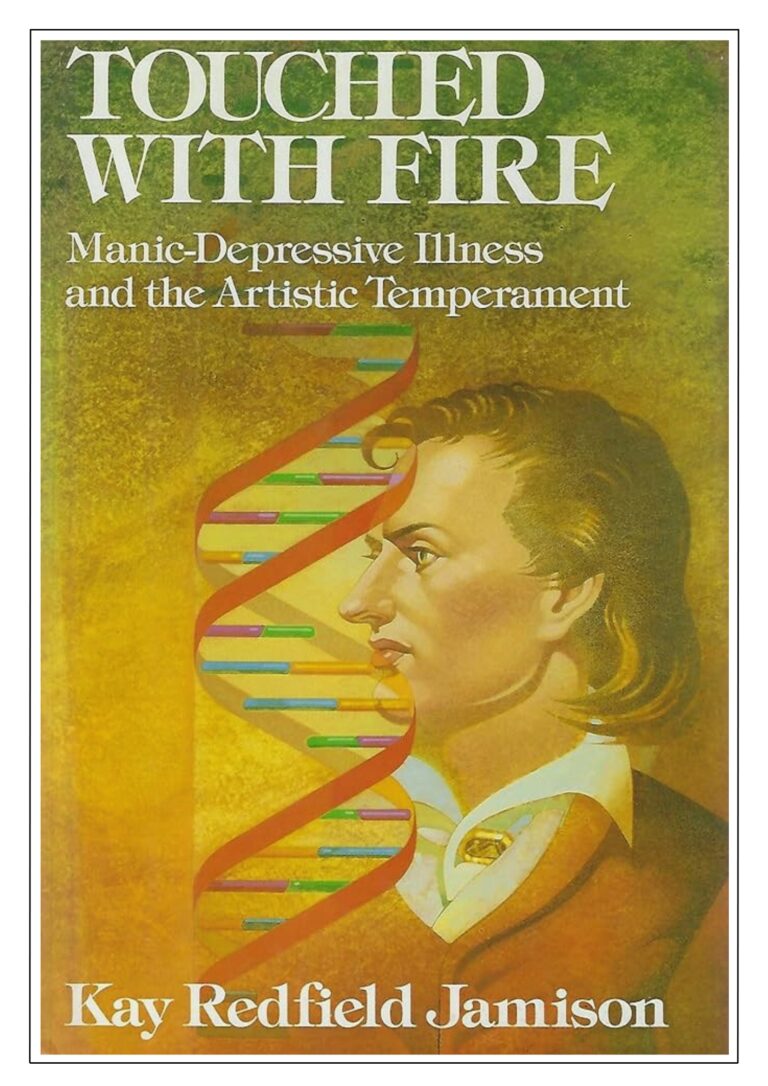
Buy Dr. Kay Redfield’s book “Touched With Fire” here.
Lorem ipsum dolor sit amet, consectetur adipiscing elit. Ut elit tellus, luctus nec ullamcorper mattis, pulvinar dapibus leo.
“Dalio” represents Ray Dalio, the American billionaire investor and founder of Bridgewater Associates, one of the world’s largest hedge funds. When it states the “Dalio Professor”, it signifies an endowed professorship, a common practice in American universities where a wealthy individual or family donates a significant sum of money to a university, and in recognition, the university permanently names a faculty chair after them. The professor who holds that chair carries the donor’s name as part of their official title.
So, “Dalio Professor in Mood Disorders” simply means that Ray Dalio (or the Dalio Foundation) donated funds to Johns Hopkins to permanently endow a professorship specifically focused on mood disorders research. Dr. Kay Redfield Jamison is the faculty member currently appointed to hold that named chair.
It says nothing about Dalio’s involvement in the research itself. He is simply the benefactor whose donation funds and names the position. It is roughly equivalent to how you might see titles like “the Rockefeller Professor of Economics” or “the Gates Professor of Computer Science” at other universities. It is actually a mark of significant academic distinction to hold an endowed chair; it signals that the university considered that professor important enough to place in a permanently funded, named position.
The creative coping mechanisms that emerge from this landscape are not incidental. They are survival strategies. They are how the depressive mind externalises what it cannot process internally; through paint, through prose, through melody, through movement. Art becomes that container for everything.
The Impact Of Anxiety On Creativity: Is It Fuel Or Fire?
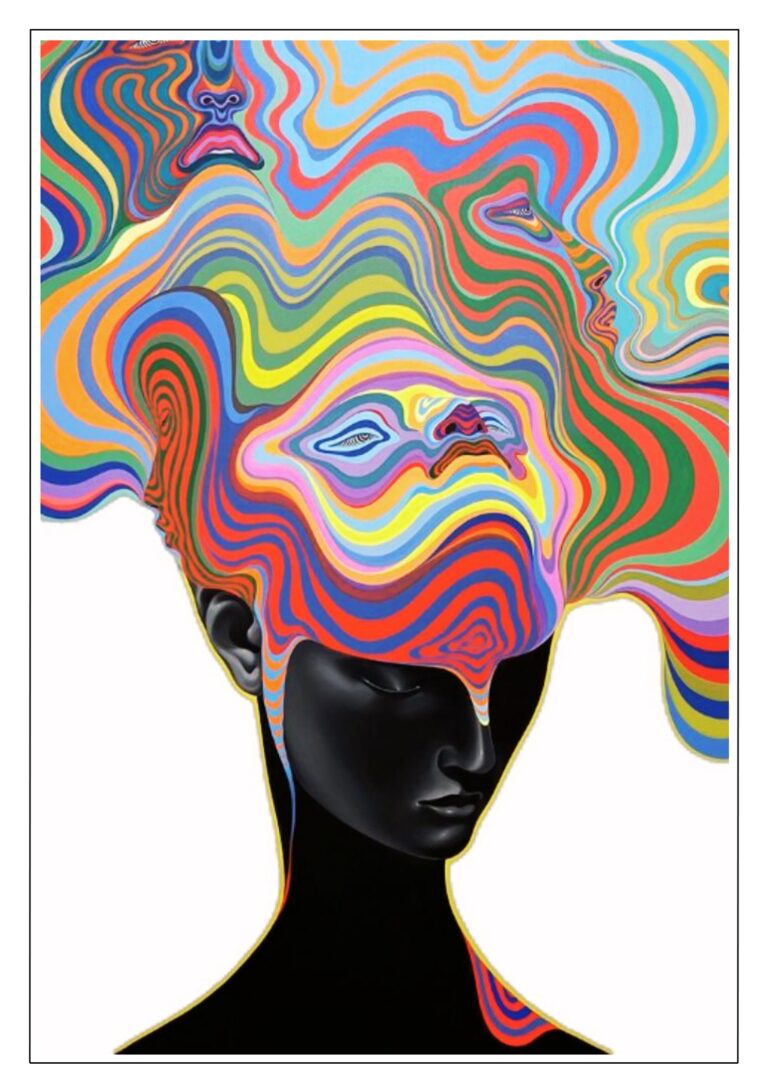
Anxiety and creativity share an interesting, uncomfortable relationship. On one hand, anxiety sharpens attention. It heightens detail-orientation. It makes the anxious mind hyper-aware of the world around it – its textures, its tensions, its contradictions. These are, coincidentally, exactly the qualities that make for compelling artistic expression. Research shows that low-level anxiety can heighten focus and detail-orientation in creative individuals. However, chronic anxiety overwhelms the brain’s executive functions, making sustained creative work extremely difficult.
The impact of anxiety on creativity becomes clearest when we look at neuroscience. When anxiety strikes, the brain gets caught in a loop of worry thoughts, releasing stress hormones that keep the body on high alert. Engaging in creative activities disrupts this cycle by shifting the brain into a different gear, a state of flow that neuroscience confirms is measurably different from anxious overthinking.
Neuroscientists believe dopamine and serotonin are among the brain’s most influential neurochemicals affecting creativity. While dopamine is linked with motivation, novelty, and imaginative thinking, serotonin helps regulate mood and emotional processing; together shaping the emotional and cognitive environment that supports artistic expression. Serotonin governs whether an individual feels calm and secure, or experiences anxiety and fear; while dopamine governs whether someone feels excited and motivated, or bored and apathetic. The anxious brain is low on the former and erratic with the latter, which is precisely why making art can feel like both relief and struggle for the anxious creator.
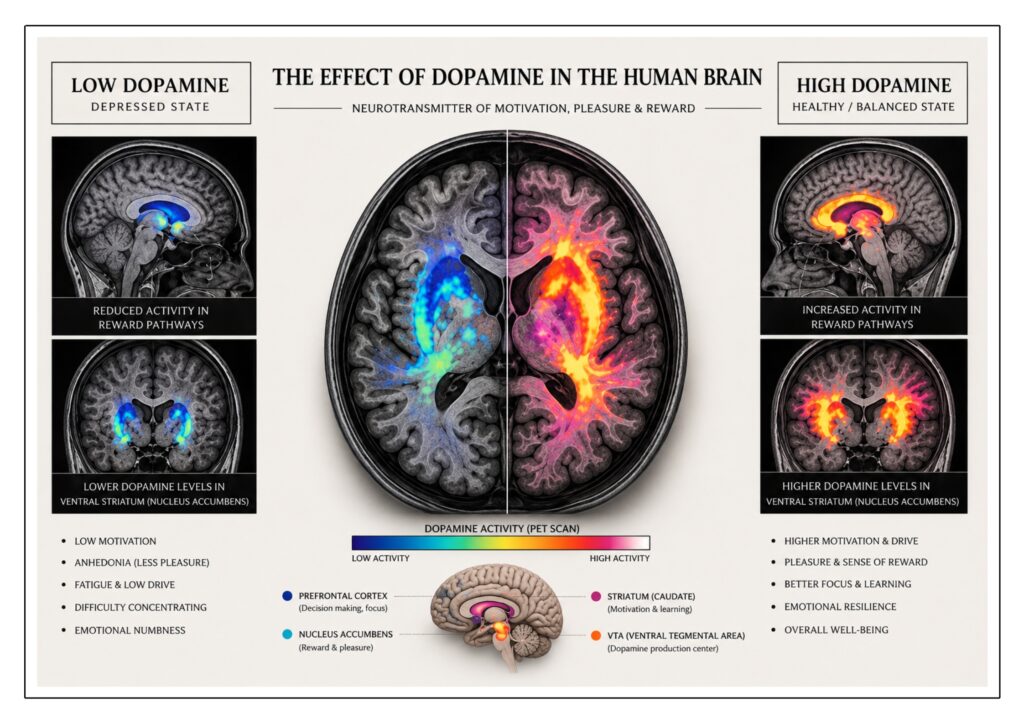
According to Baba Shiv, a Professor of Marketing at Stanford Graduate School of Business whose research focus is neuroeconomics and the neural structures behind decision-making and creativity – the right neurochemical environment for creative work is a high level of both serotonin and dopamine simultaneously; producing a state where the person is calm but energised. This is what anxiety disrupts. And this is what the act of making art gradually restores. This is not merely poetic. It is biochemical. A 2016 Drexel University study led by Dr. Girija Kaimal found that 75% of participants showed a measurable reduction in cortisol levels after just 45 minutes of art-making; regardless of their prior experience or skill level. At the same time, dopamine, the brain’s reward chemical, gets a natural boost, creating the satisfying “flow state” that artists describe as losing themselves in their work.
Emotional Expression Through Art: What Neuroscience Reveals About Creativity & Mental Health
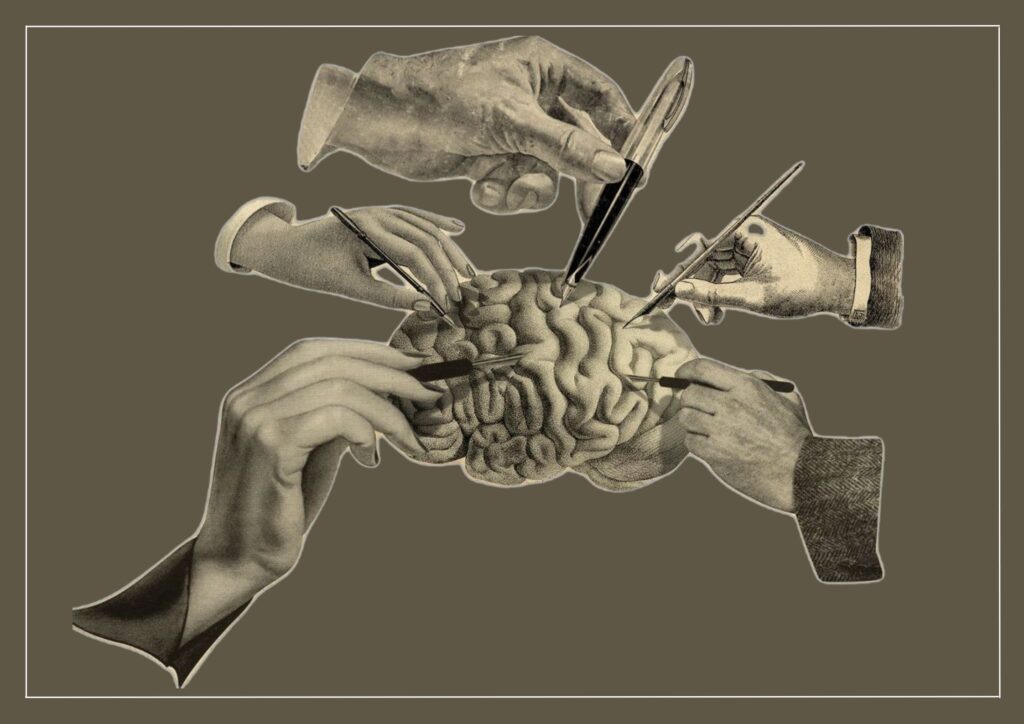
What happens in the brain when we create?
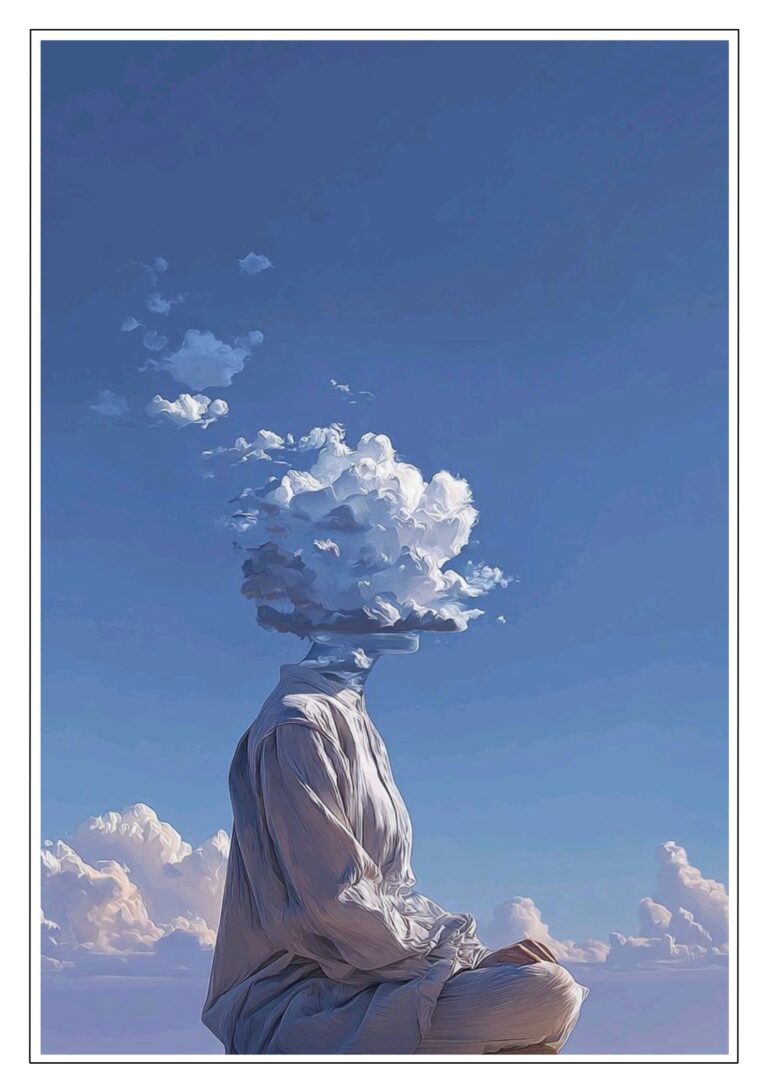
Emotional expression through art is not simply a metaphor. It is a neurological event. When a person picks up a paintbrush, sits at a piano, or begins to write, the brain doesn’t merely execute a physical task. It enters a different mode of processing altogether.
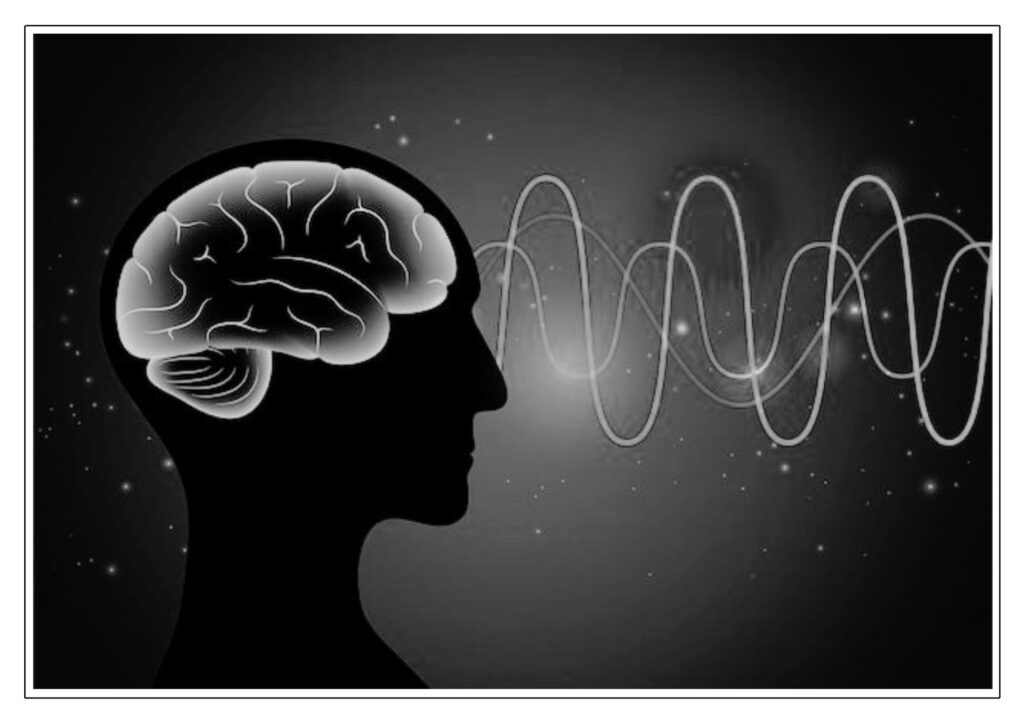
Neuroscience is beginning to catch up with what artists and therapists have known for years. A 2024 systematic review published in Frontiers in Behavioral Neuroscience found early but consistent evidence that creative activities activate the same regions of the brain responsible for managing emotions; including the prefrontal cortex, where rational thought lives; and the amygdala, the brain’s built-in alarm system for fear and anxiety. When both regions engage together during creative work, the brain appears to shift into a more regulated, calmer state. Researchers are careful to call this preliminary, for the field is still young and the studies are few; but the pattern is consistent enough to be meaningful. In simpler terms, making art may genuinely change what is happening inside your brain, and not just how you feel in the moment.
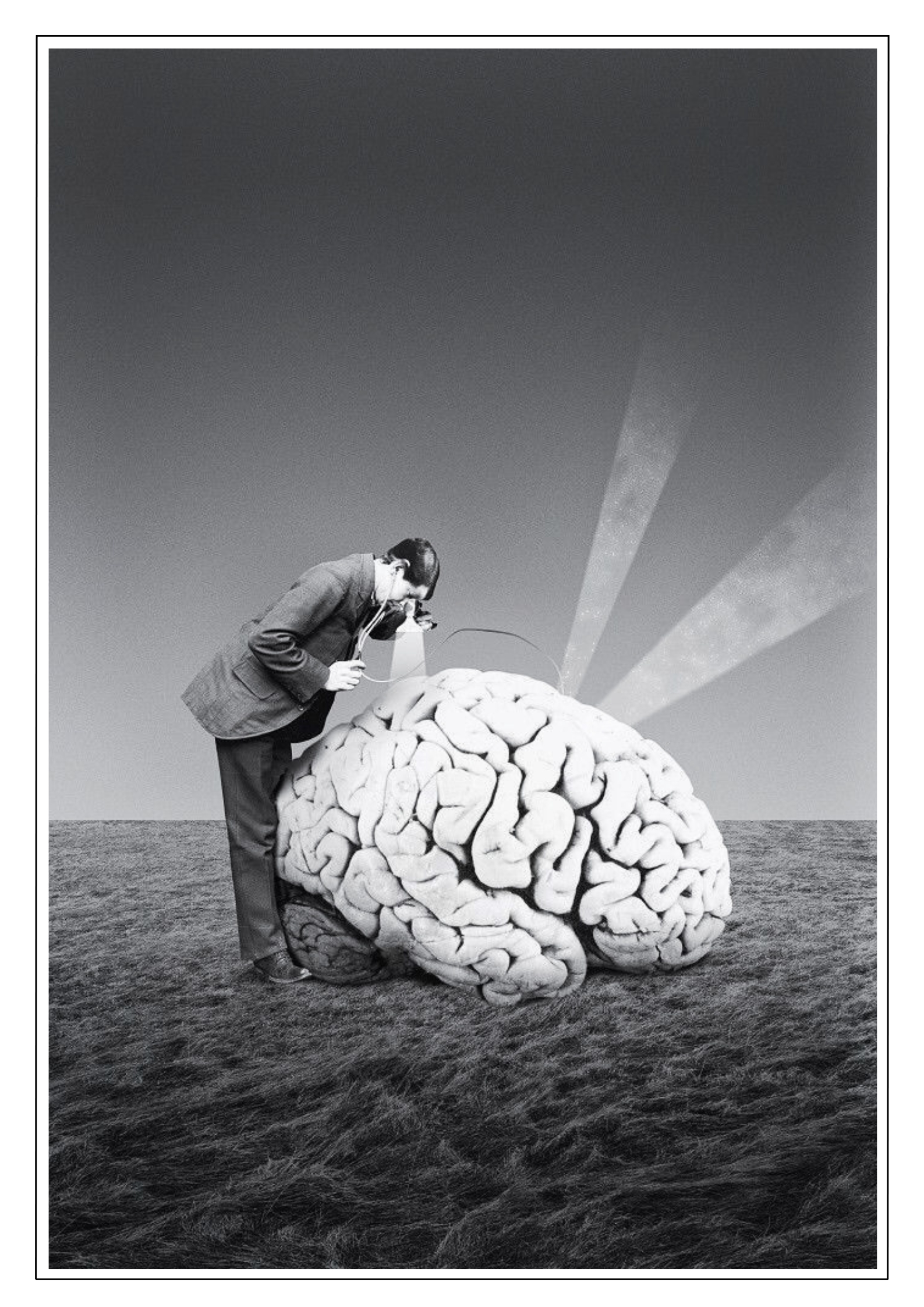
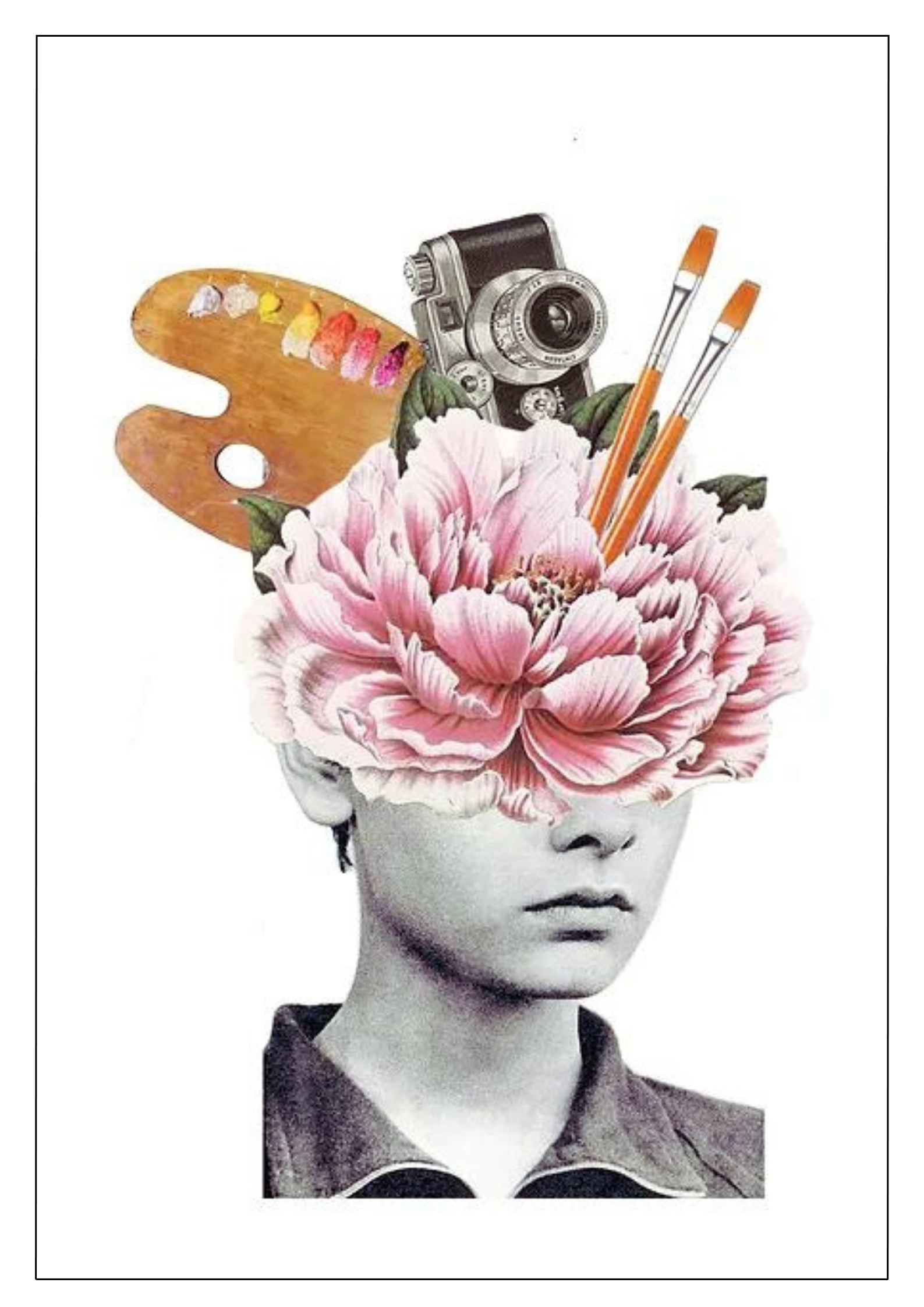
Fine arts and creative activities like drawing, drumming, singing, dance, and drama allow people of all age groups and cultural backgrounds to communicate their thoughts, sentiments, and feelings in ways that differ fundamentally from typical verbal expression. This matters enormously for mental health, because not all emotional experiences have words. Trauma, in particular, is often stored in the body and in images long before it becomes a narrative. Art, meets it there.
Dr. Girija Kaimal, art therapy researcher and professor at Drexel University, has been one of the most prominent voices advocating for the integration of art-based interventions in mental health care. Her research consistently shows that creative engagement reduces stress hormones and activates reward pathways in the brain. She emphasises, however, that art therapy works best as a complement to, not a replacement for, conventional mental health treatment.
Artists’ Mental Health Stories: How Emotion, Trauma & Creativity Become Art
Vincent van Gogh: Mental Health, Creativity & The Starry Night
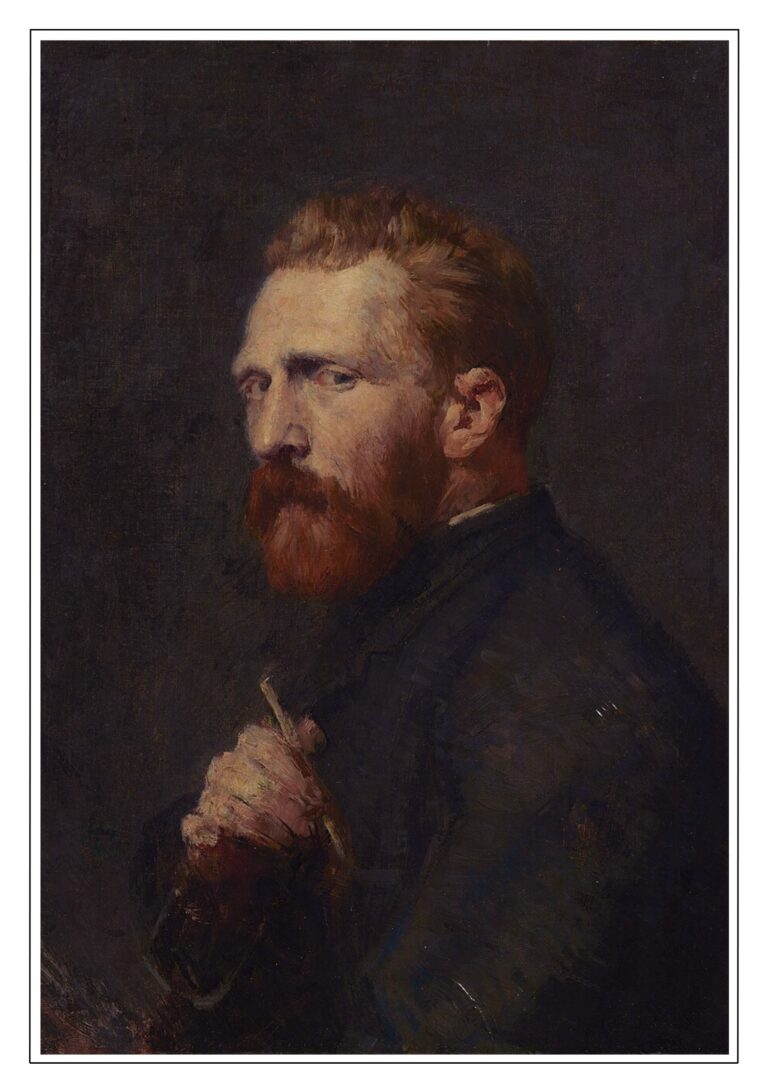
No conversation about artists’ mental health stories can avoid Vincent van Gogh. But the goal here is not to mythologise, but to understand. Van Gogh voluntarily entered the Saint-Paul-de-Mausole asylum in Saint-Remy-de-Provence in 1889 due to his mental health struggles, and produced several significant artworks during his time in the facility. The Starry Night, one of the most recognised paintings in human history was inspired by a landscape visible from the asylum.
That painting – those swirling, electric skies, that turbulent cosmos bearing down on a quiet village is not simply beautiful; it is a document of a mind experiencing reality with overwhelming intensity. The brushstrokes are not calm. They are kinetic, urgent, and alive with a kind of anguished energy. Van Gogh was not painting what he saw. He was painting what he felt.
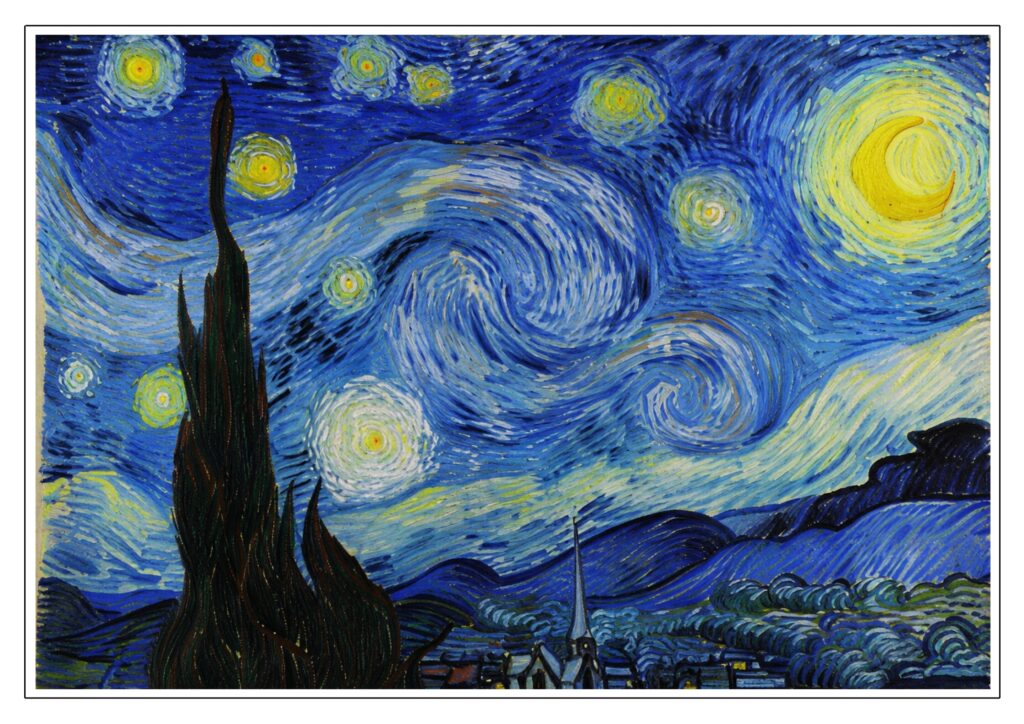
Figures such as Vincent van Gogh, who famously struggled with depression and psychosis, have become emblematic of the idea that emotional pain can be transformed into universal expressions of human experience. But Van Gogh himself never sought to be a symbol. He sought relief, and art was the closest he found to it.
Frida Kahlo, Emotional Pain & Artistic Expression Through Art
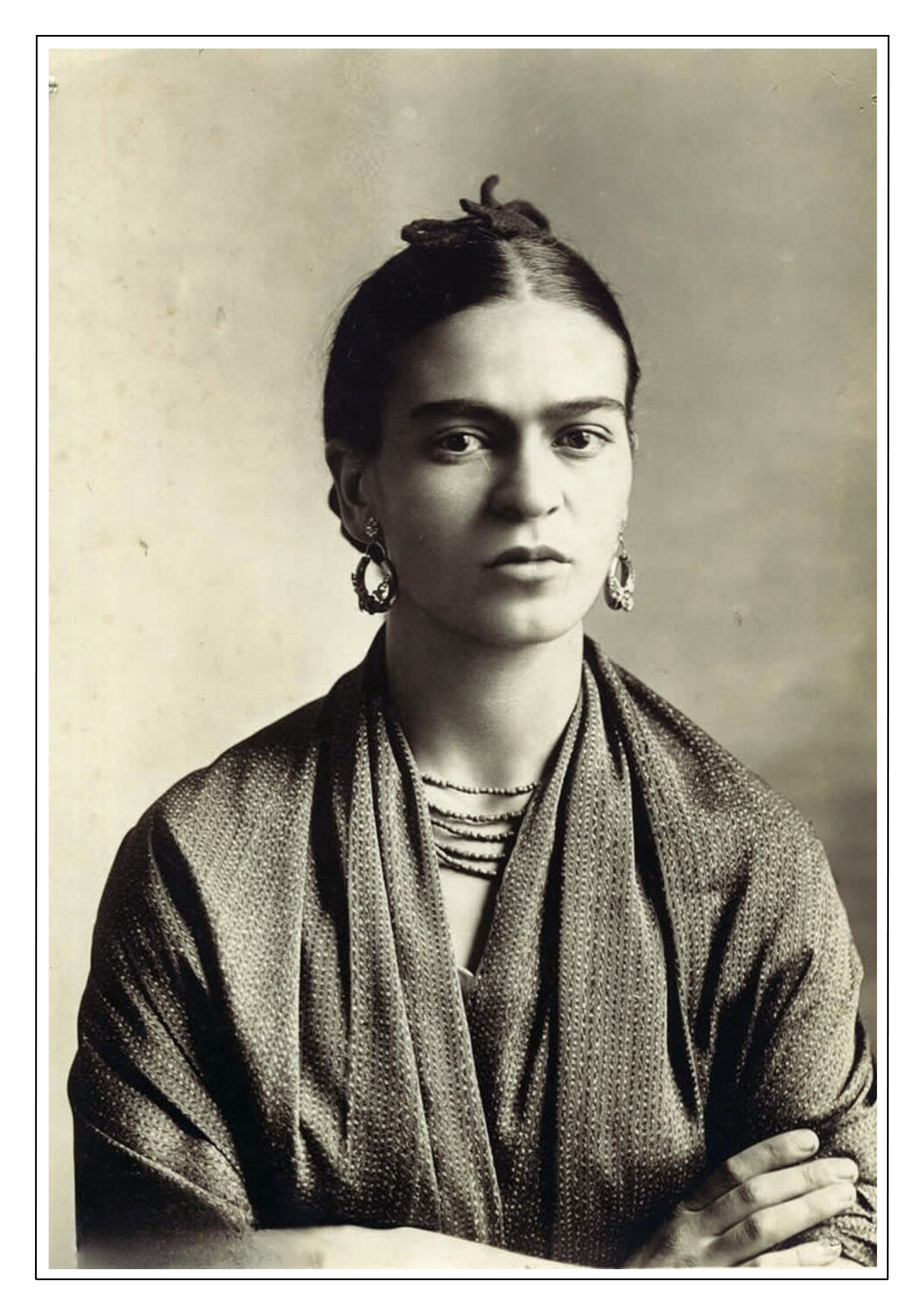
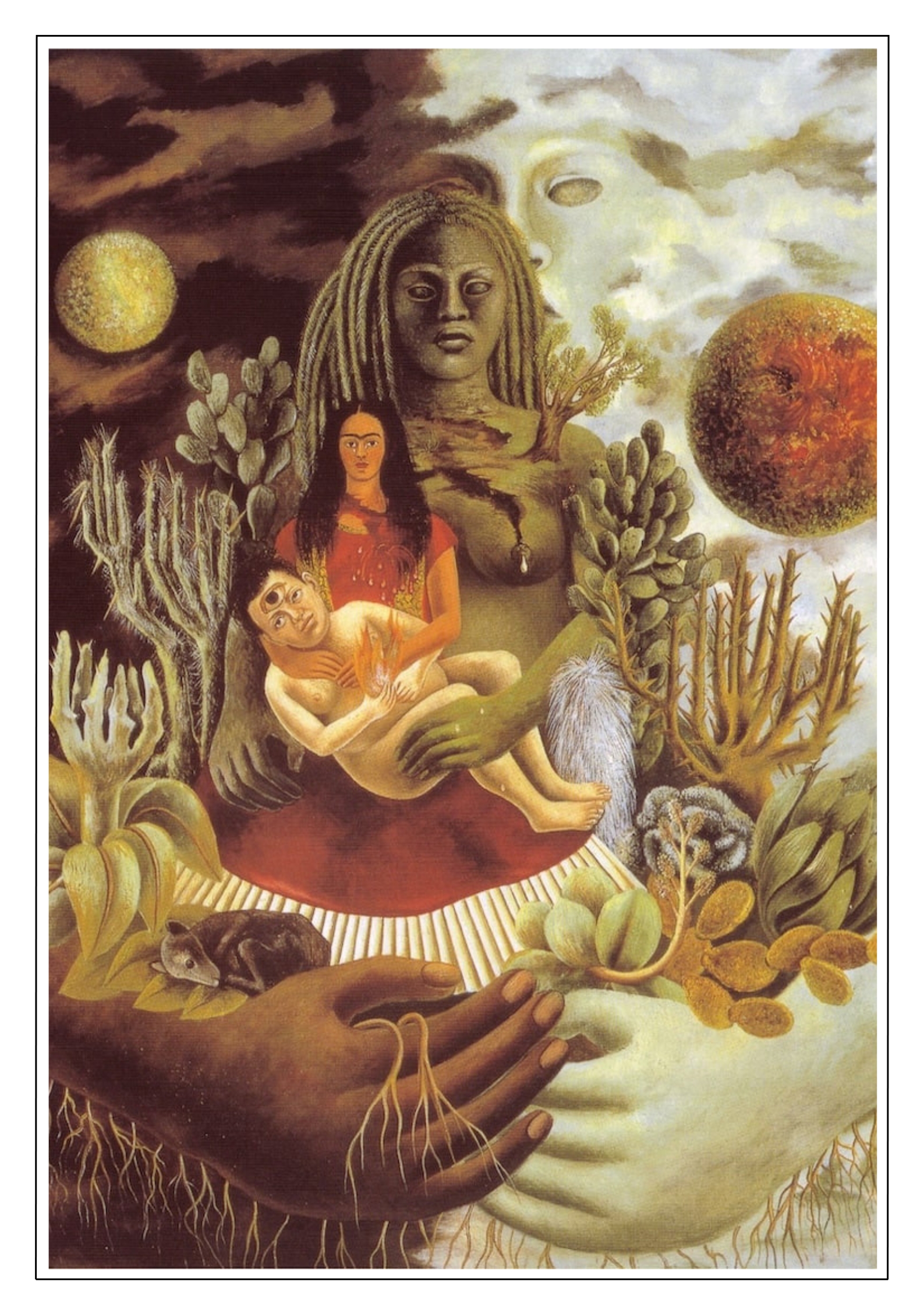
Frida Kahlo is perhaps the most honest artist who ever lived. Kahlo suffered from anxiety, depression, and identity issues throughout her life. Out of the 140 paintings she produced, at least 55 were self-reflective self-portraits. Her own words sum it up without flinching: “My painting carries with it the message of pain.” Researchers and historians believe that Kahlo suffered from an array of mental health conditions, including post-traumatic stress disorder and bipolar disorder, and developed a personality that was at once disruptive, unpredictable, and extraordinarily intense. At least one third of her paintings are self-portraits in which she dramatically expresses her struggles with pain, depression, and sorrow, intertwined with vivid imagery of flowers, monkeys, and surreal elements. What Kahlo gave the world was not just aesthetics. It was emotional expression through art taken to its most unflinching extreme. She painted broken columns. Tears. Open wounds. And still – colour, life, defiance. Her canvases are the record of a person refusing to let suffering have the final word.
Edvard Munch & The Scream: Anxiety, Emotion & the Creative Mind
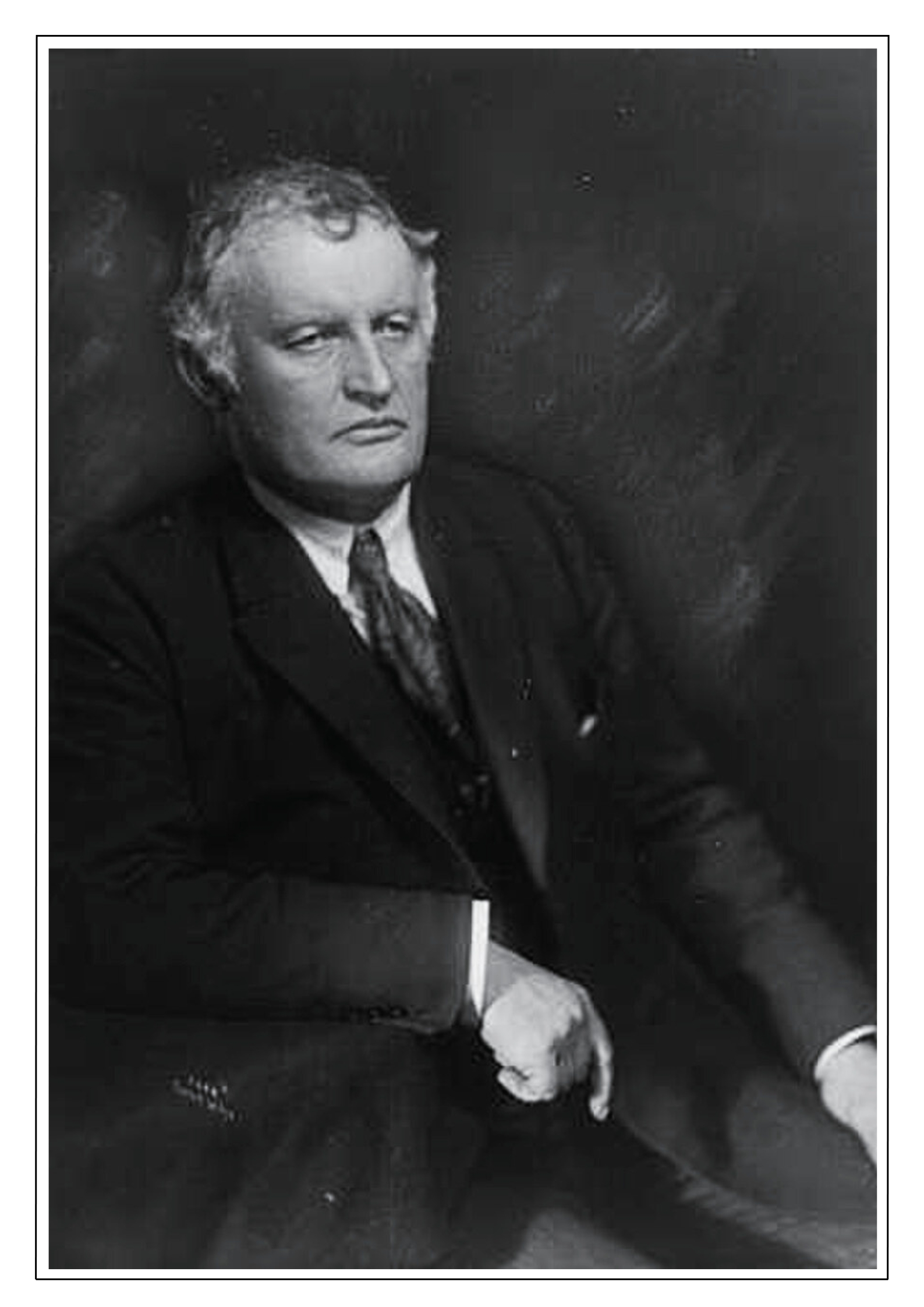
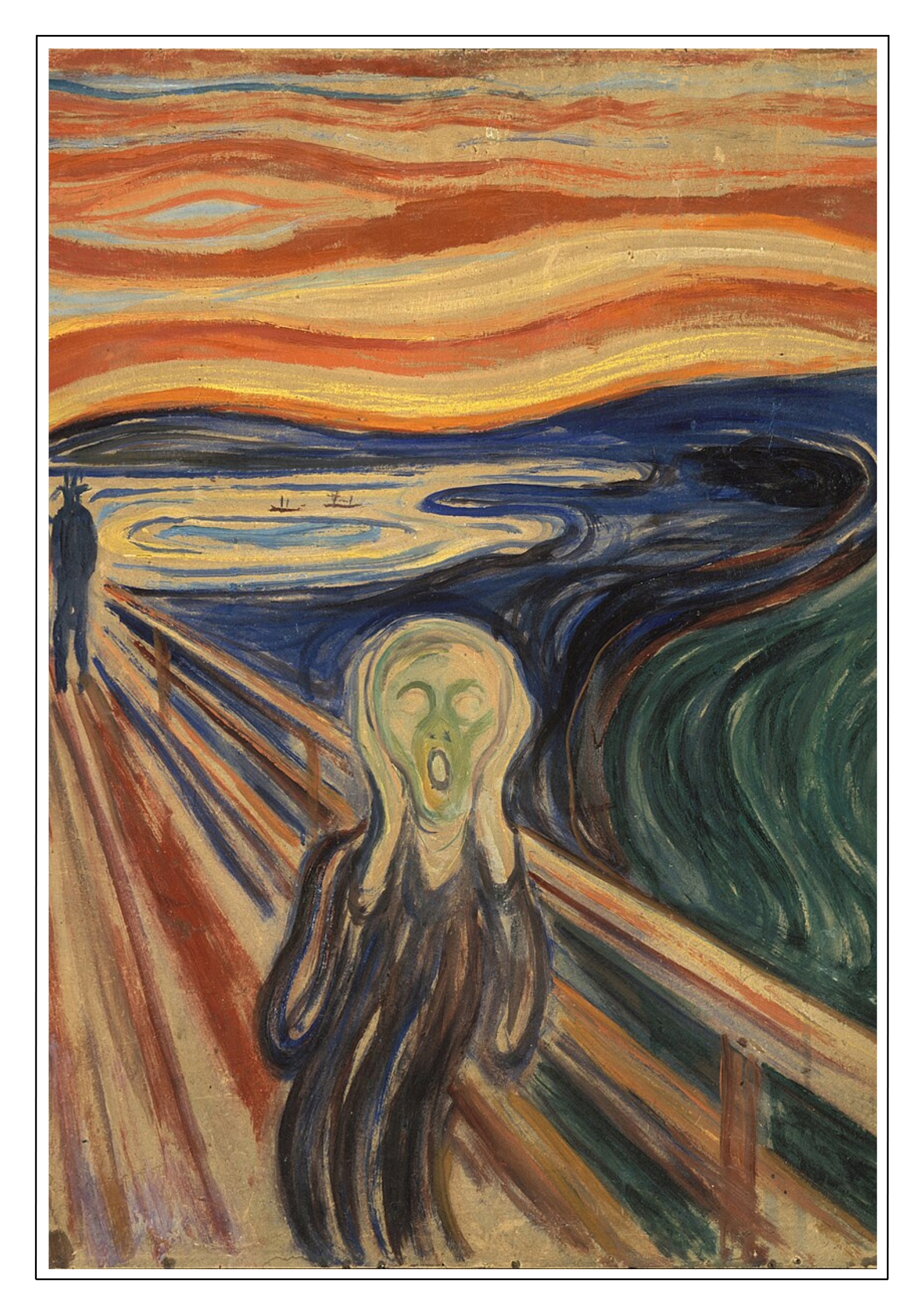
The Scream is not just a painting. It is a sensation most of us have felt and never had words for. Edvard Munch expressed existential fear through haunting art that continues to touch people at a profound level, demonstrating how the inner world of mental anguish can produce work of universal recognition. Munch himself wrote in his diary about the experience that inspired the painting, a walk at sunset during which he suddenly felt overwhelmed by anxiety so powerful that the sky seemed to turn to blood, and nature itself seemed to be screaming. He painted it not to show you what he saw. He painted it to show you what it felt like to be him in that moment.
That is the gift of artistic expression shaped by mental health: it creates empathy across experience. You may never have had Munch’s exact breakdown. But you have felt the scream. And his painting finds you there.
The Benefits Of Art Therapy: Healing Through Creativity & Emotional Expression
What is art therapy & how does it support mental health?
Art therapy is often misunderstood as simply “drawing in a therapist’s office.” It is considerably more rigorous, and considerably more powerful than that.
According to the American Art Therapy Association (AATA), art therapy is a mental health profession that uses the creative process of art-making to improve and enhance the physical, mental, and emotional wellbeing of individuals of all ages. Facilitated by a credentialed art therapist, it supports personal and relational treatment goals; helping people build self-awareness, process difficult emotions, develop healthier coping skills, and find relief from stress and conflict.
The distinction between recreational art-making and art therapy is important. The latter is led by trained mental health professionals who understand how the creative process interfaces with psychological healing. It is not about producing beautiful art. It is about using the creative process as a vehicle for accessing and transforming internal experience. Art therapy is designed to help individuals access and express feelings in a way that may not be accessible through talk therapy alone, due to the limitations of language. The method helps increase self-awareness and mindfulness through sensory and symbolic techniques.
Healing Through Creativity: Research on Art Therapy, Anxiety & Depression
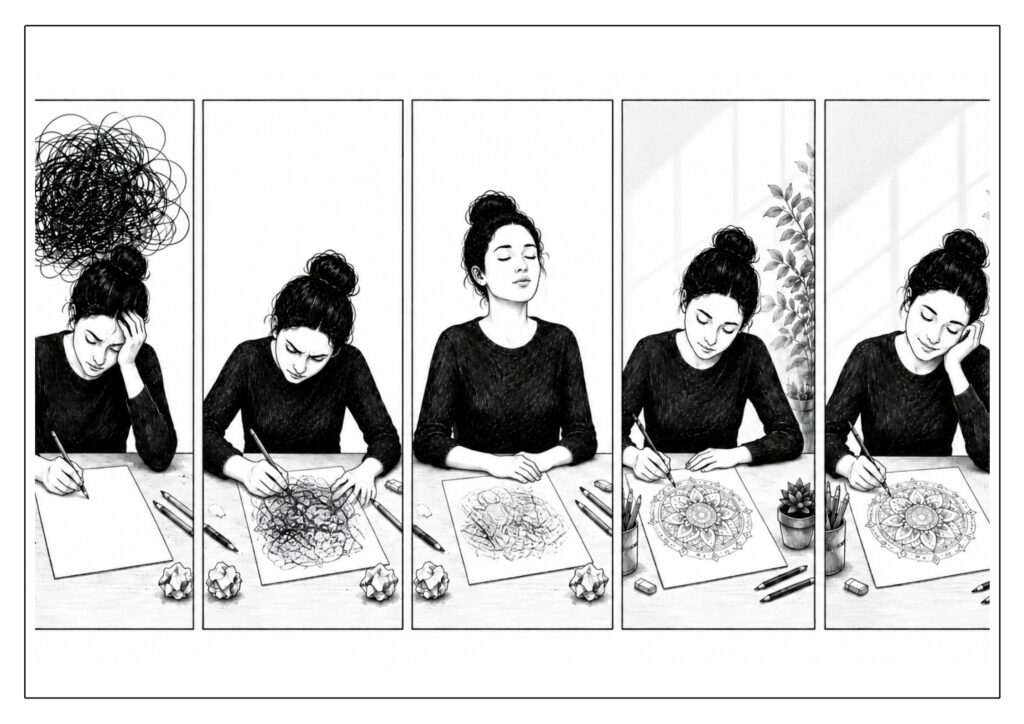
The benefits of art therapy are increasingly well-documented across a range of mental health conditions. Research conducted over the past decade found that art therapy can be a safe and helpful form of support for people living with serious mental health conditions. It can ease symptoms and improve everyday life and wellbeing.
A randomised, single-blind clinical trial found that introducing art therapy as an intervention in patients with stable and pharmacologically treated major depressive disorder significantly improved both depression and anxiety symptoms. Multiple studies, including research by Rahmani et al. (2016), de Morais et al. (2014), Nan & Ho (2017), and Kim et al. (2014) indicate that art therapy has improved mental health conditions relating to anxiety and depression scores, based on self-report measures.
A 2024 quasi-systematic review on healing through art identified five key themes in how creative engagement supports mental wellbeing: emotional processing and expression through symbolic creation; adaptive communication and nonverbal connection; communal support and collective meaning-making; empowerment and regaining agency; and transformation of trauma into post-traumatic growth. Precisely underlining post-traumatic growth, the idea that people can not only survive suffering but be enlarged by it; is one of the most extraordinary possibilities in the psychology of resilience. And, healing through creativity is consistently identified as one of its most reliable pathways.
Can Artistic Expression Improve Mental Health? Understanding Creative Healing
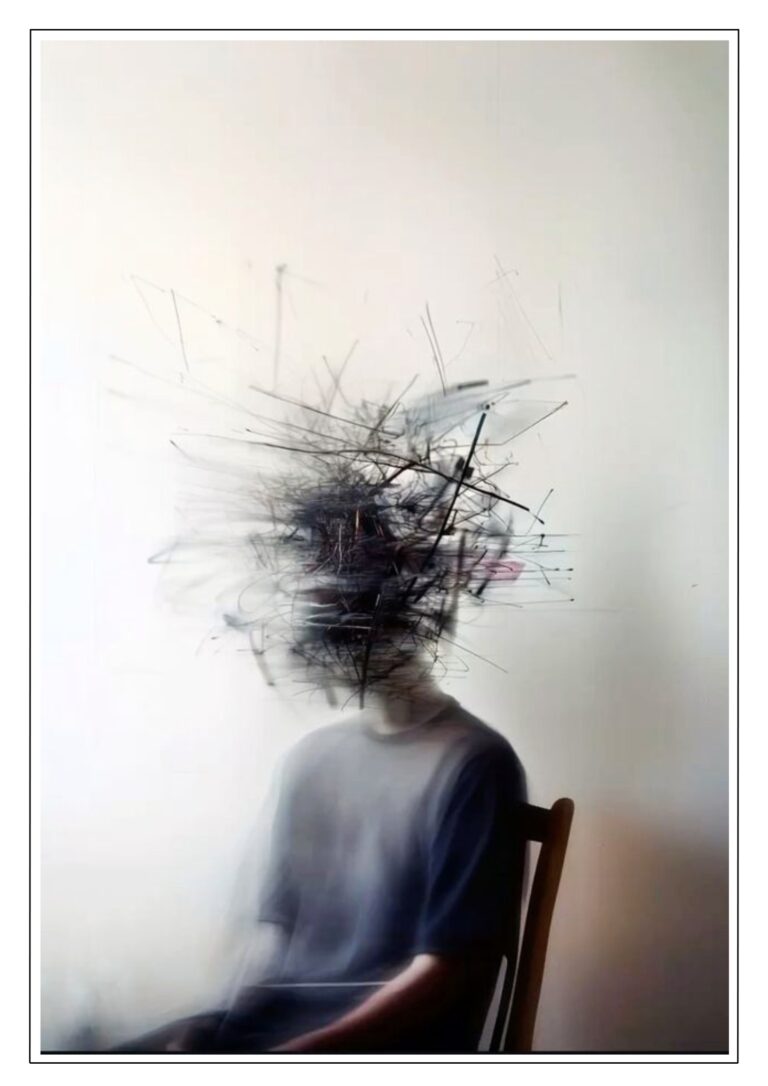
Not every emotion arrives with language. Some feelings sit quietly in the body; heavy, invisible, impossible to explain. That is where art therapy begins to matter. Not as a replacement for medical treatment or psychotherapy, but as another doorway into the human mind, one that speaks through colour, texture, movement, imagination, and expression.
Art Therapy for Depression & Emotional Release
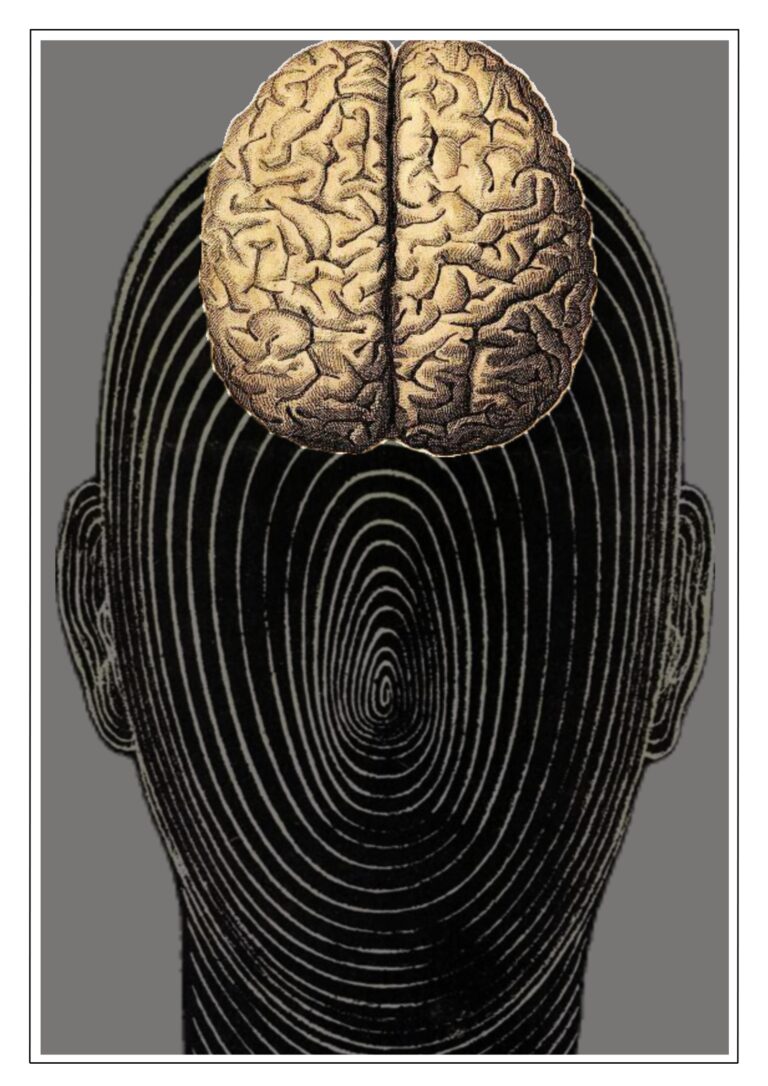
Depression is often described as emptiness, but for many people, it feels more like emotional paralysis. A silence so dense, that even explaining the pain becomes exhausting. According to the World Health Organisation, millions of people worldwide live with depression, with women disproportionately affected. Art therapy has increasingly emerged as a powerful companion to traditional treatment, offering people a way to externalise emotions they may not yet have the words for. A sketch, a collage, a burst of chaotic colour on a canvas; these can sometimes reveal what conversation cannot. In many cases, the act of creating becomes less about making “art” and more about finally releasing something trapped inside.
Creative Coping Mechanisms for Anxiety & Emotional Wellbeing
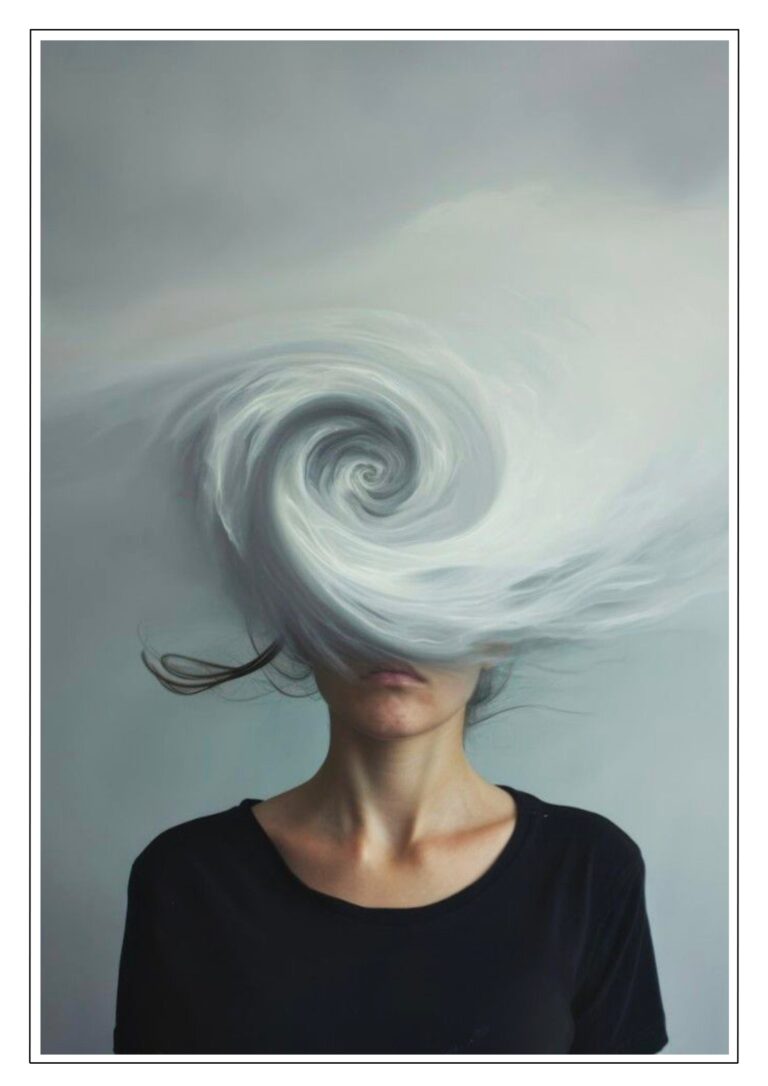
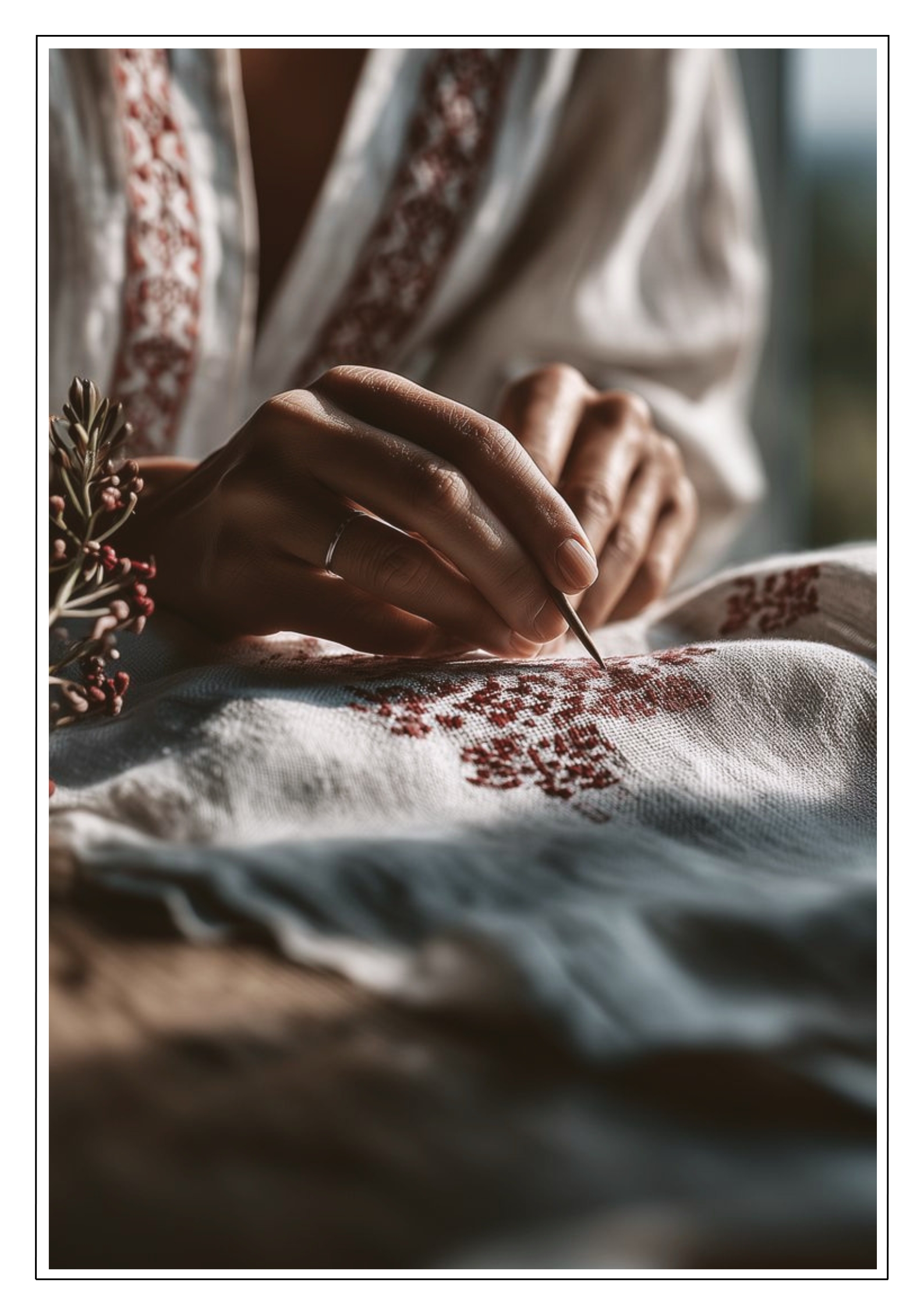
Anxiety rarely switches off. It loops, spirals, races ahead, and lingers long after the moment has passed. Structured creative practices – from painting and journaling to sculpture and movement-based expression have been shown to help individuals regulate emotions, reduce anxiety severity, and reconnect with a sense of calm and presence. There is something deeply grounding about creativity. The repetitive motion of a brushstroke, the focus required to shape clay, the immersion of building something with your hands; these acts pull attention away from mental noise and back into the present moment. Creativity gives restless thoughts somewhere to land.
Healing Trauma Through Creativity & Nonverbal Artistic Expression
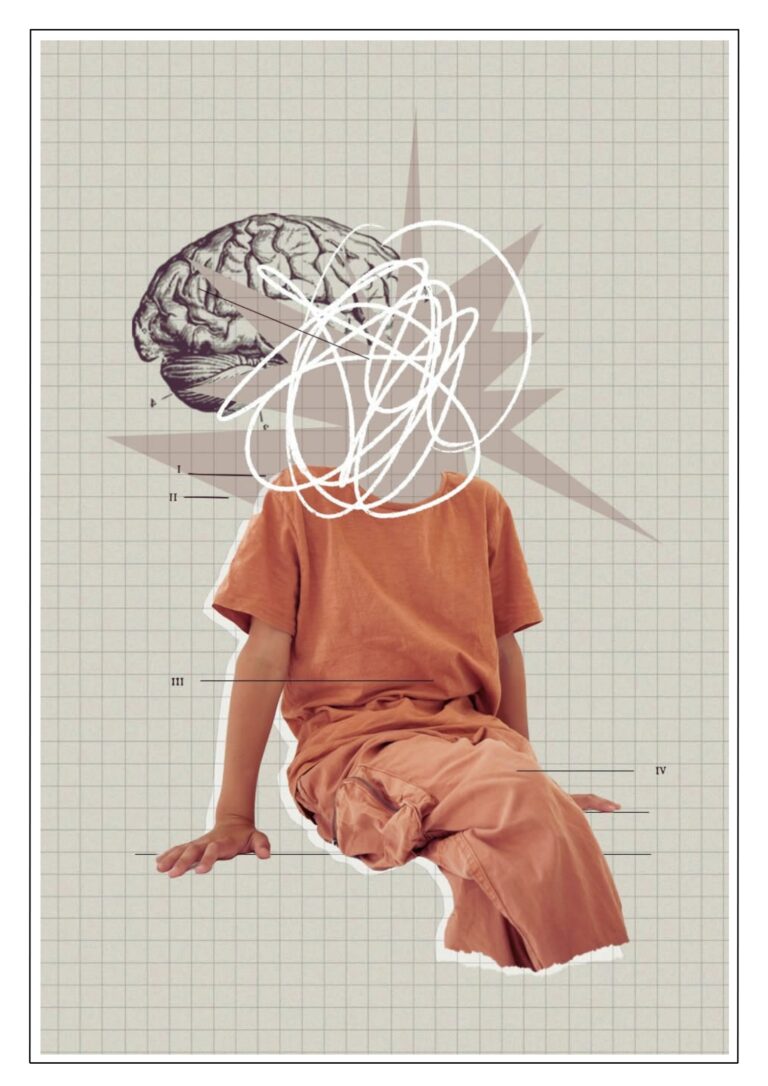
Trauma is not always remembered in sentences. Often, it survives as flashes, sensations, fragmented images, or bodily reactions that words struggle to contain. This is one reason art therapy has become especially meaningful for people living with trauma and Post-Traumatic Stress Disorder. Unlike traditional talk therapy, art therapy allows people to process experiences nonverbally — through image, symbolism, movement, and metaphor. It reaches places language sometimes cannot. Creative arts therapist Melissa Walker for instance, has used mask-making workshops with military veterans and traumatic brain injury survivors, helping them express emotions they had buried for years. In her widely viewed TED Talk, she explores how creative expression can become a bridge between hidden pain and healing — especially for those who feel disconnected from their own voice.
At its core, art therapy reminds us of something profoundly human: before people learned to explain themselves through psychology, diagnosis, or clinical language, they drew on cave walls, sang, danced, carved, painted, and created. Long before healing became medical, it was expressive.
Creative Coping Mechanisms: How Creativity Supports Emotional Wellbeing
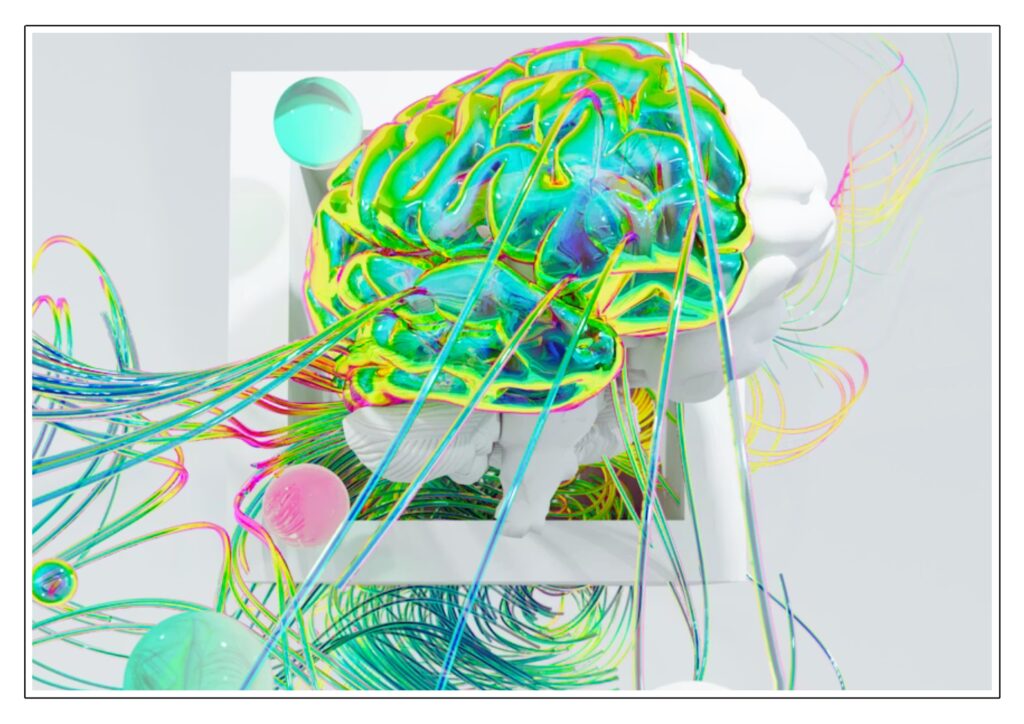
You don’t have to be an artist to benefit from creativity
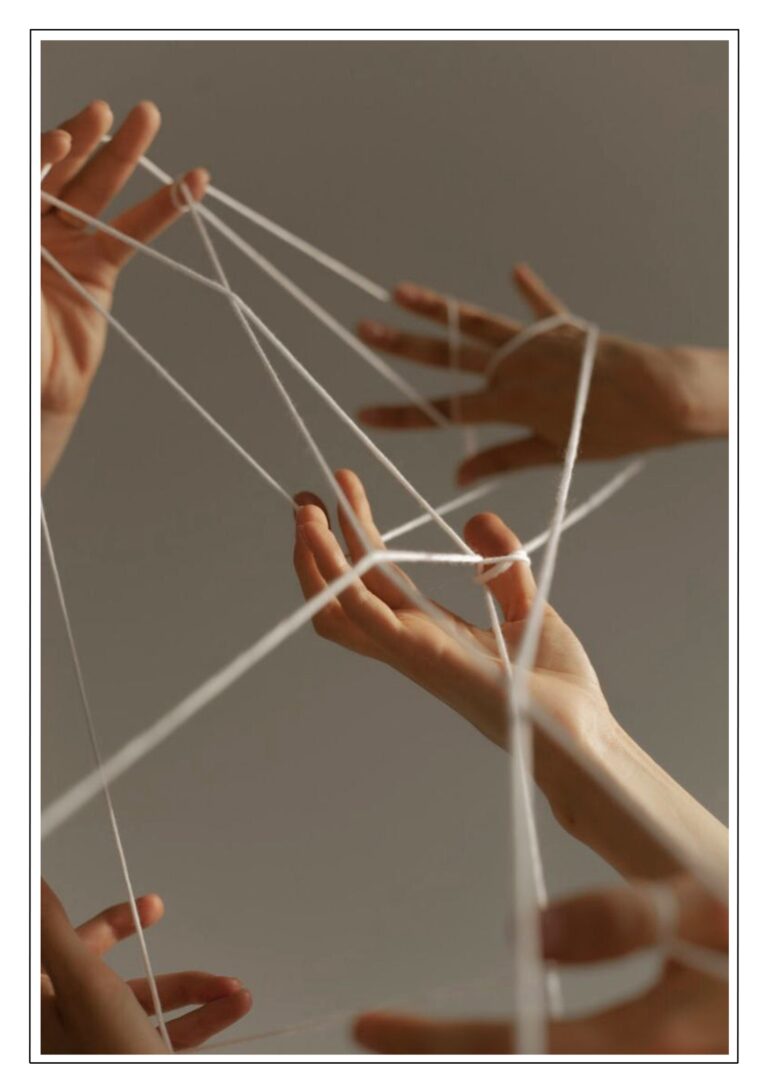
Here is the thing about creative coping mechanisms, they do not require talent. They require only the willingness to begin. The definition of creativity extends far beyond fine art. Life requires daily acts of novelty, and in this sense, every human being possesses some degree of creativity. An idea need not be artistic or world-changing to count as creative. Journaling. Doodling in the margins of a notebook. Rearranging furniture. Baking bread. Tending a garden. These are all, in their way, acts of creative expression; and they engage the same neurological pathways that more formally “artistic” activities do. The brain does not distinguish between a masterpiece and a morning sketch. It responds to the act of making. Research has found that making art can activate reward pathways in the brain, reduce stress, lower anxiety levels, and improve mood regardless of the quality of the output produced. What matters is not the product. It is the process. The engagement. The surrender of the anxious, over-thinking mind into the focused, embodied act of creating something that did not exist before.
Building Creative Habits For Mental Health & Emotional Balance
Creativity is not reserved for artists alone. Sometimes, it is simply a quiet act of survival. A way to slow the mind down, release emotion, and reconnect with yourself in a world that constantly demands speed and stimulation. Increasingly, research suggests that small creative practices can meaningfully support emotional wellbeing in everyday life.
Drawing & Visual Art
You do not need to be “good” at painting for it to help. Studies have shown that even spending 30 minutes sketching, doodling, or painting can lower stress hormones and improve mood. The goal is not perfection, it is expression.
Writing & Journaling
There’s a reason why people say writing feels cathartic. For decades, psychologists have studied expressive writing as a tool for emotional processing. Putting painful experiences into words, even privately, can help people better understand, organise, and release overwhelming emotions.
Music
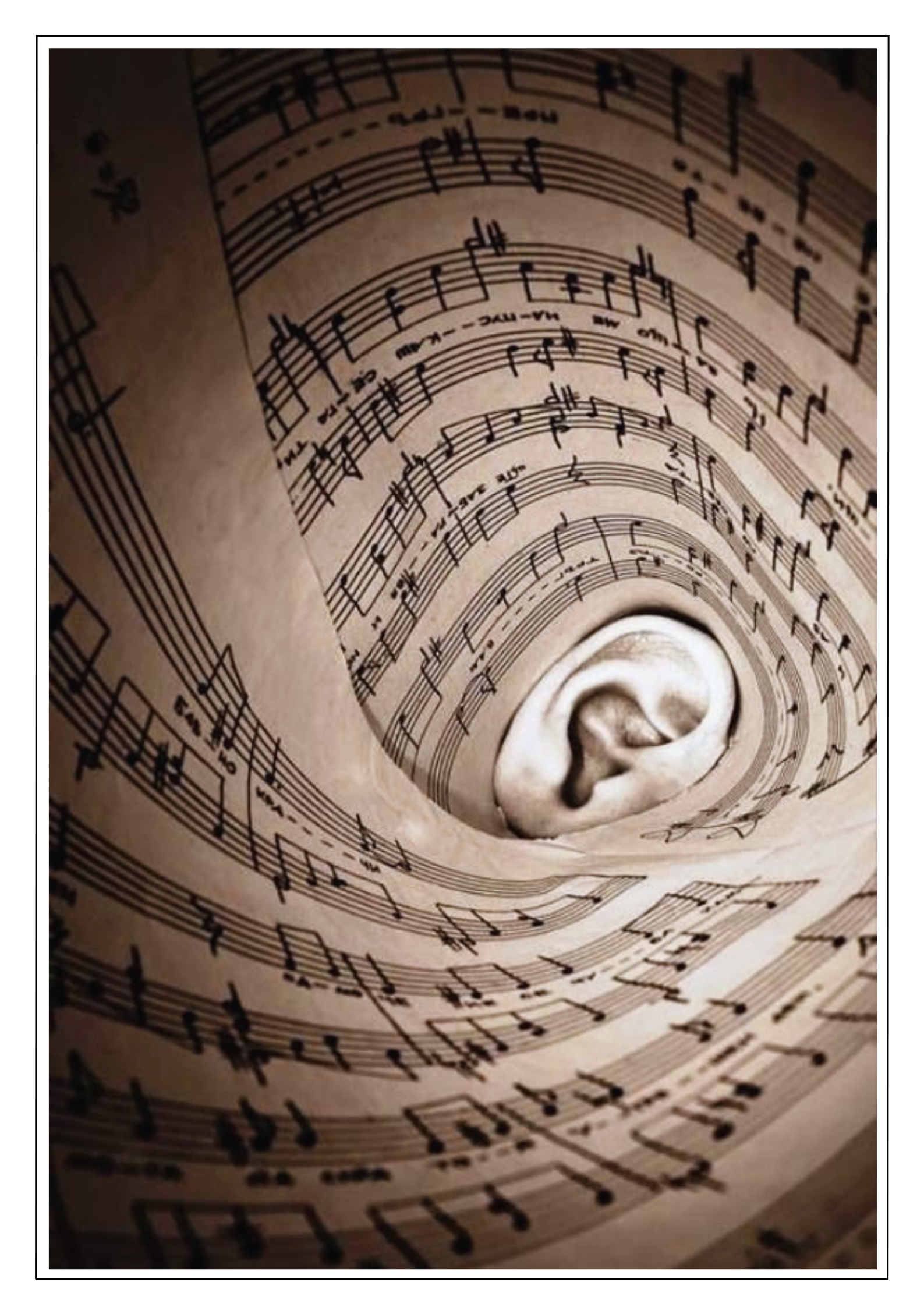
Music has a remarkable ability to alter emotional states. Whether it is listening to a comforting song, learning an instrument, or creating music yourself, it can reduce anxiety, regulate mood, and provide a sense of emotional escape and connection.
Movement-Based Creativity
Practices like dance, yoga, and expressive movement combine creativity with physical release. Sometimes the body holds stress long before the mind fully recognises it, and movement becomes a way of letting it go.
Creating Together
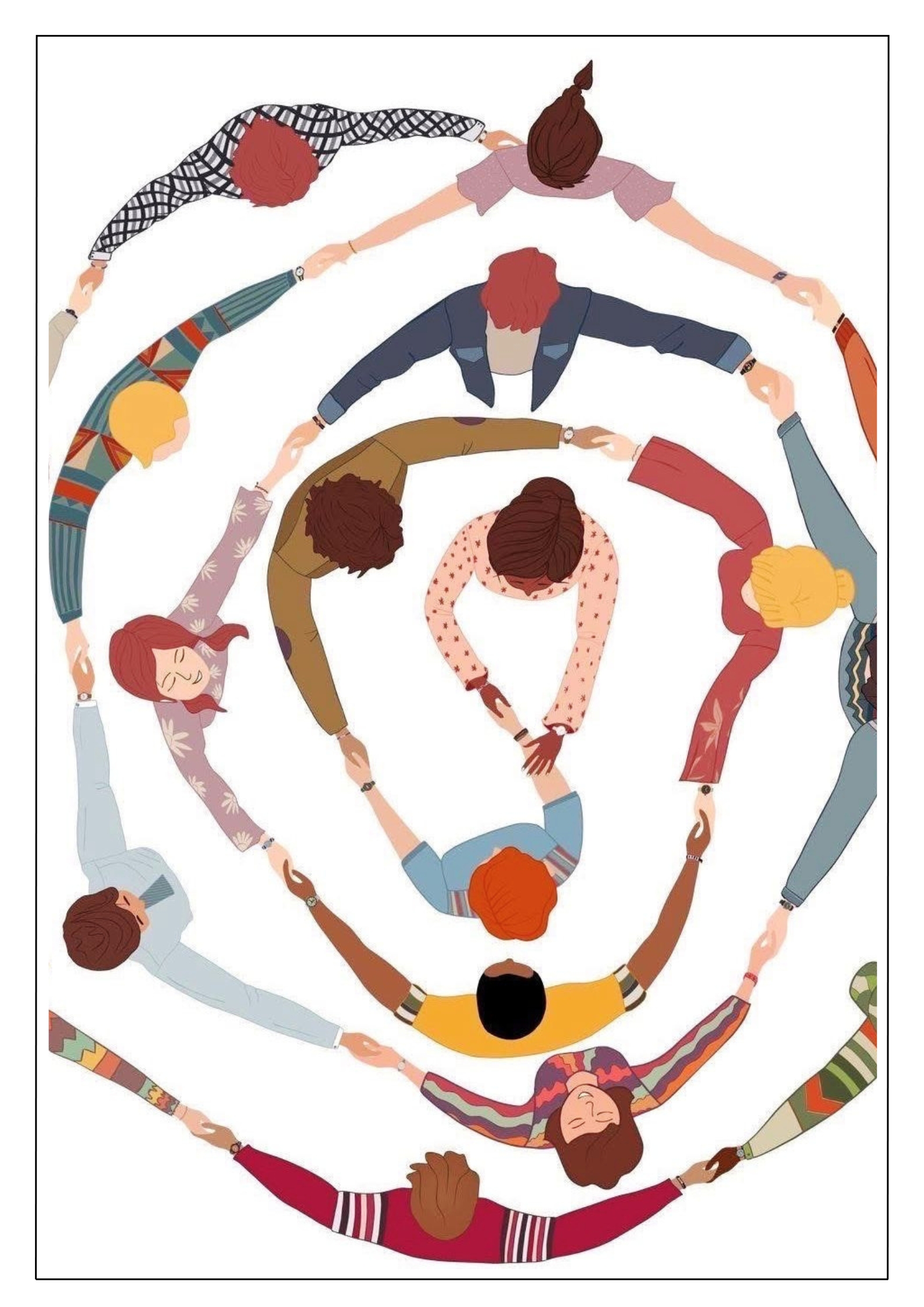
Creativity can also heal through community. Painting, singing, writing, or making art with others creates a sense of belonging, something psychology repeatedly identifies as one of the strongest protective factors for mental well-being.
TED Talks On Art Therapy, Creativity & Mental Health Healing
The global conversation about art and mental health has found one of its most powerful platforms in TED Talks; short, accessible talks that distill complex ideas into human stories.
Melissa Walker – “Art Can Heal PTSD’s Invisible Wounds”
In this widely acclaimed TED Talk, creative arts therapist Melissa Walker shares how mask-making helped military veterans with PTSD and traumatic brain injuries express emotional experiences that words could not capture, demonstrating the profound power of nonverbal artistic expression as a healing through creativity pathway for the most invisible wounds of war.
Kate Moore – “The Art of Connection: How Creativity Can Help Our Mental Health”
Kate Moore, an artist and writer who has written publicly about her own mental health journey, argues in her TEDx Talk about how creativity and artistic expression are not peripheral to psychological health; they are central to it and accessible to everyone.
Heather Falter – “How I Found Emotional Healing Through Honest Creativity”
Idaho Falls artist Heather Falter shares her deeply personal journey of discovering how to heal the heart through creative impulses, advocating for a return to the uninhibited, honest creativity of childhood as a pathway to genuine emotional healing.
Tara Bane – “The Healing Power of Art”
Mental health practitioner Tara Bane, who holds a Master’s Degree in Creative Art Therapy and brings over 20 years of clinical experience, discusses the evidence-based healing power of art therapy for those navigating challenging experiences, making the case for art therapy as a mainstream mental health tool.
Laurence Vandenborre – “The Power of Arts Therapy”
Vandenborre describes arts therapy as a unique non-verbal therapeutic modality capable of helping people heal from the past and envision a new life, arguing that drawing, music, dance, movement, and drama are all sensitive, soothing, and powerful pathways for processing and releasing difficult emotional experiences.
So, What Is The Relationship Between Mental Health, Art & Creativity?
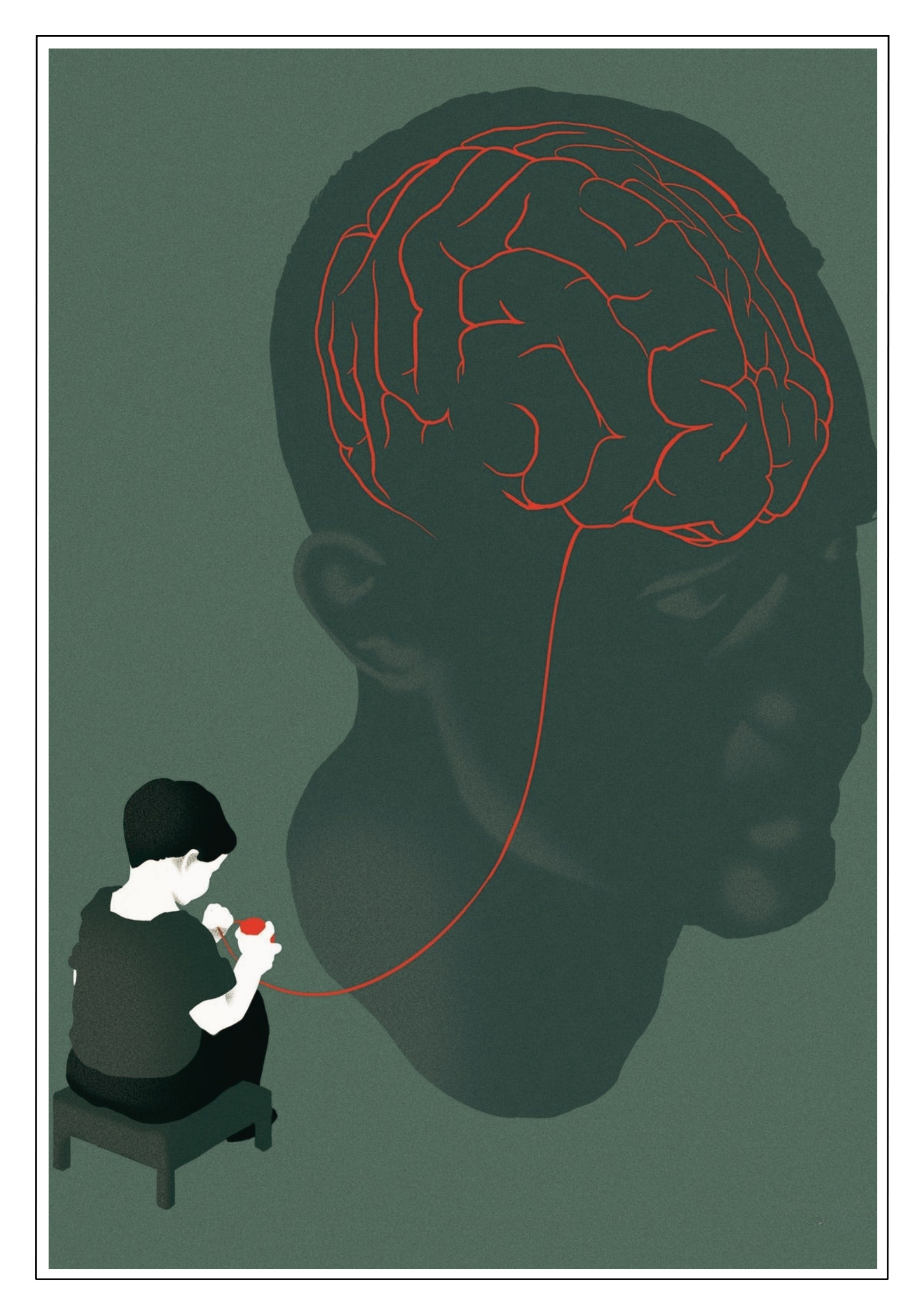
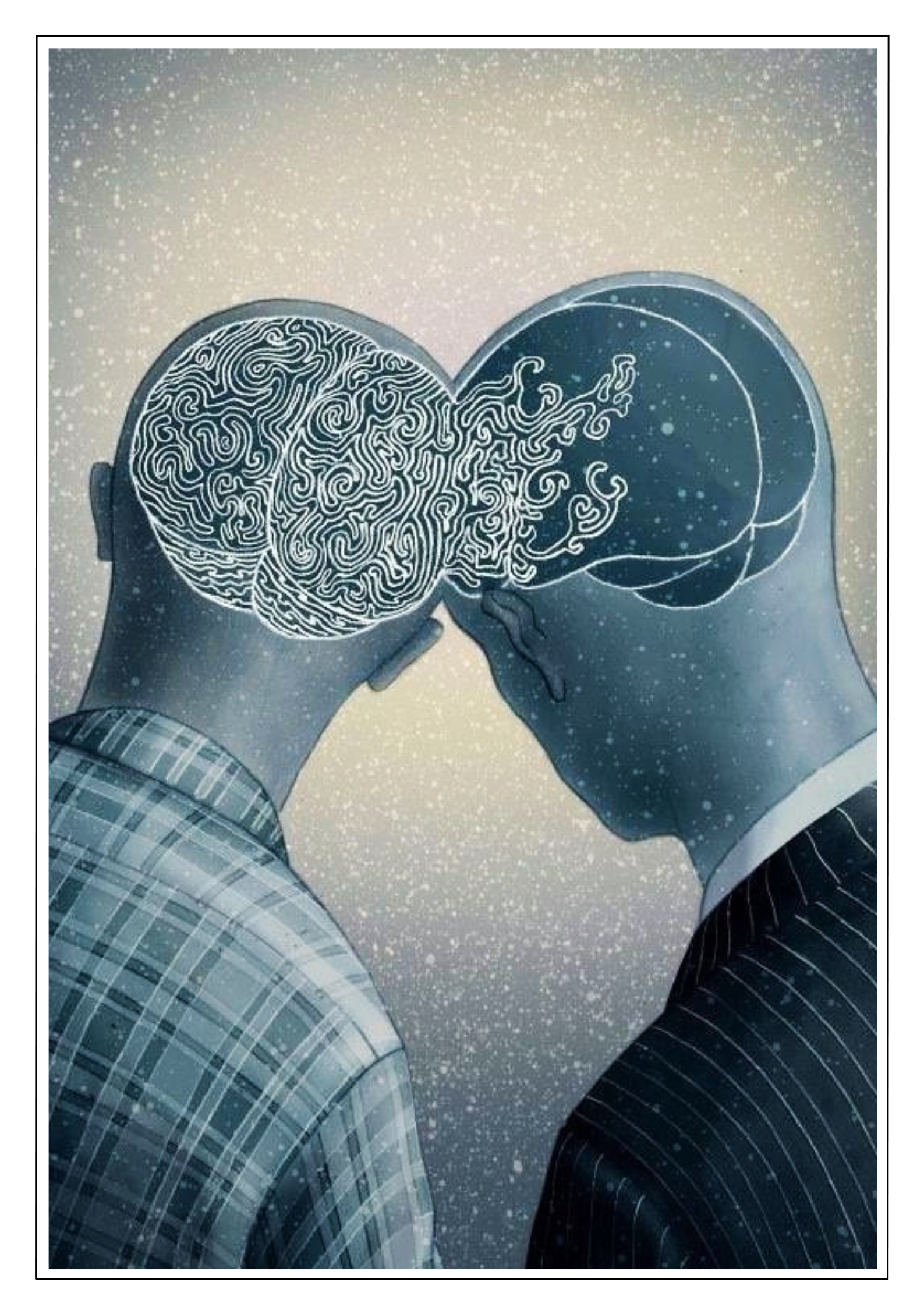
It is crucial to understand that art and mental health are not in a simple cause-and-effect relationship. Art does not cure depression. Music does not eliminate anxiety. Painting does not resolve trauma. Mental health conditions are complex, biologically rooted, and require proper clinical care. What artistic expression offers is something different and equally vital: a bridge. A way of moving between the inner world and the outer one. A language for what has no other language. A container for what otherwise overwhelms. Art therapy has been shown to serve as a useful therapeutic method to assist patients in opening up and sharing their feelings, views, and experiences and as a supporting treatment that helps clinicians obtain complementary information different from what conventional diagnostic tests can reveal. The benefits of art therapy are real, documented, and growing in clinical recognition. But they are most powerful when integrated into a broader framework of care, alongside medication where appropriate, alongside psychotherapy, and alongside community and connection. Emotional well-being is not a destination. It is a practice. And perhaps for most people, creativity is one of the most sustaining parts of that practice.
The Art of Being Human: Why Creativity & Mental Health Will Always Be Connected
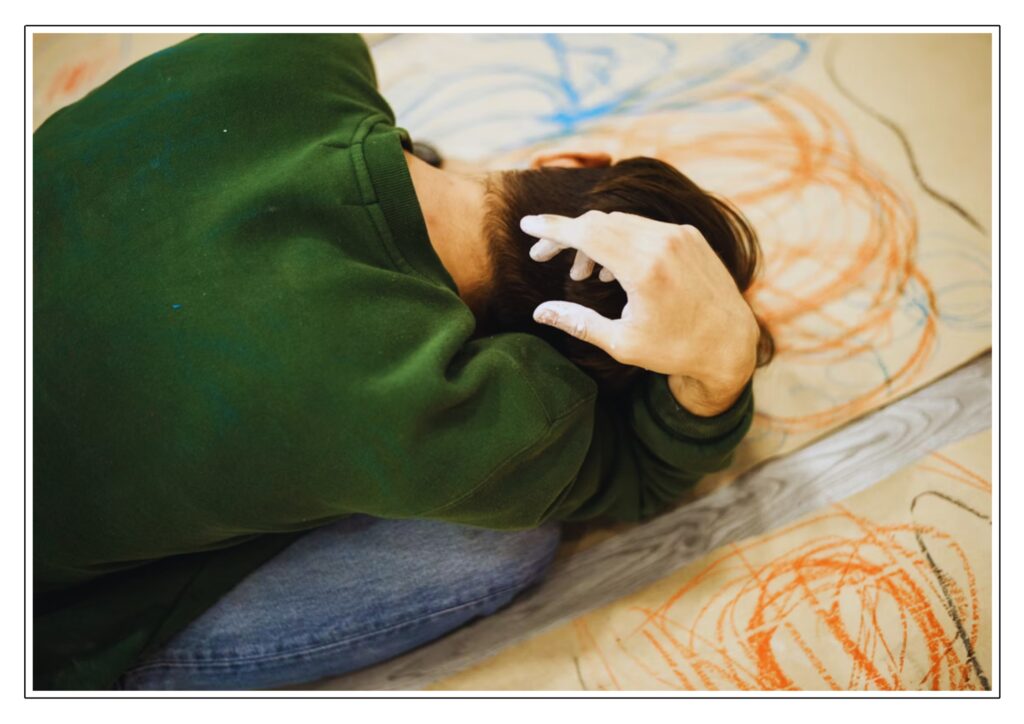
The relationship between mental health and artistic expression ultimately comes down to something simple and irreducibly human: the need to be known. To make the invisible visible. To say: this is what it is like to be me, inside this life, inside this body, inside this particular storm of feeling.
Art is how we do that when words fail. It is how Vincent van Gogh painted the texture of madness into something the world would recognise as beautiful. It is how Frida Kahlo turned a broken body into a declaration of selfhood. It is how every anonymous person who has ever scrawled in a journal at midnight, or strummed a guitar through grief, or danced alone in a kitchen to process something unnameable, has reached toward their own healing.
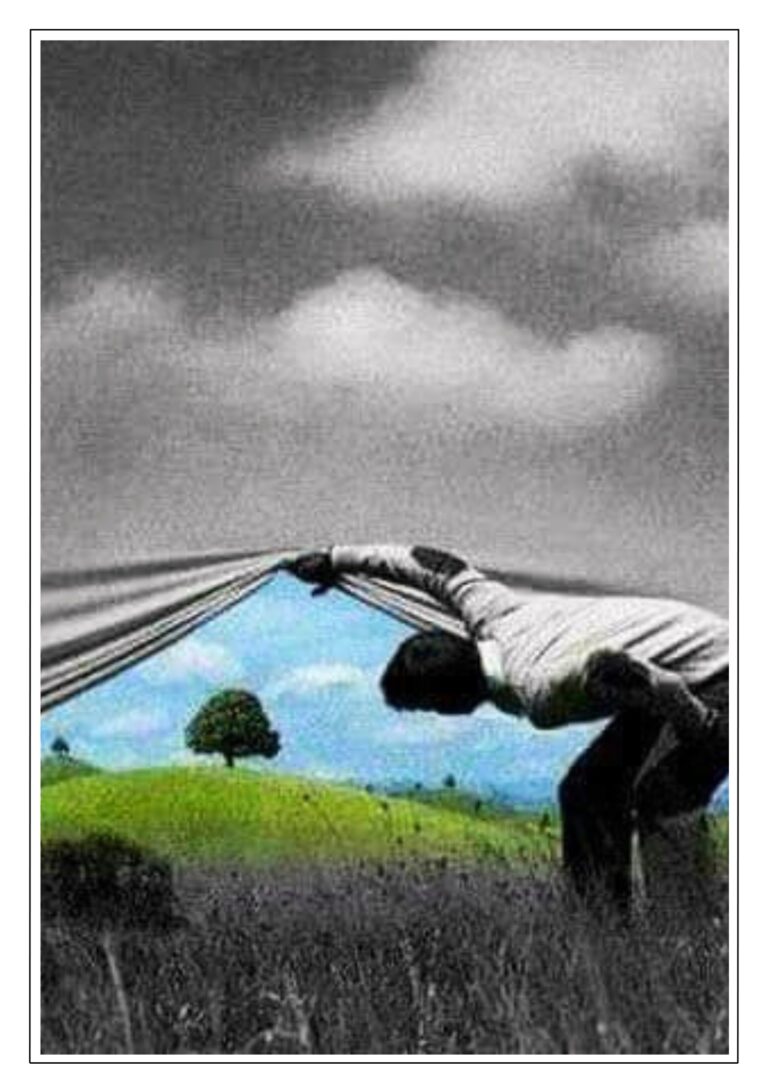
Creativity is not a talent reserved for the gifted. It is a birthright. A biological need. A proven pathway to greater emotional well-being, to deeper self-understanding, and to the remarkable, stubborn, human act of healing through creativity. The research supports it. The history confirms it. And the art hanging in museums, scrawled in diaries, hummed in showers, sketched on receipts has always known it.
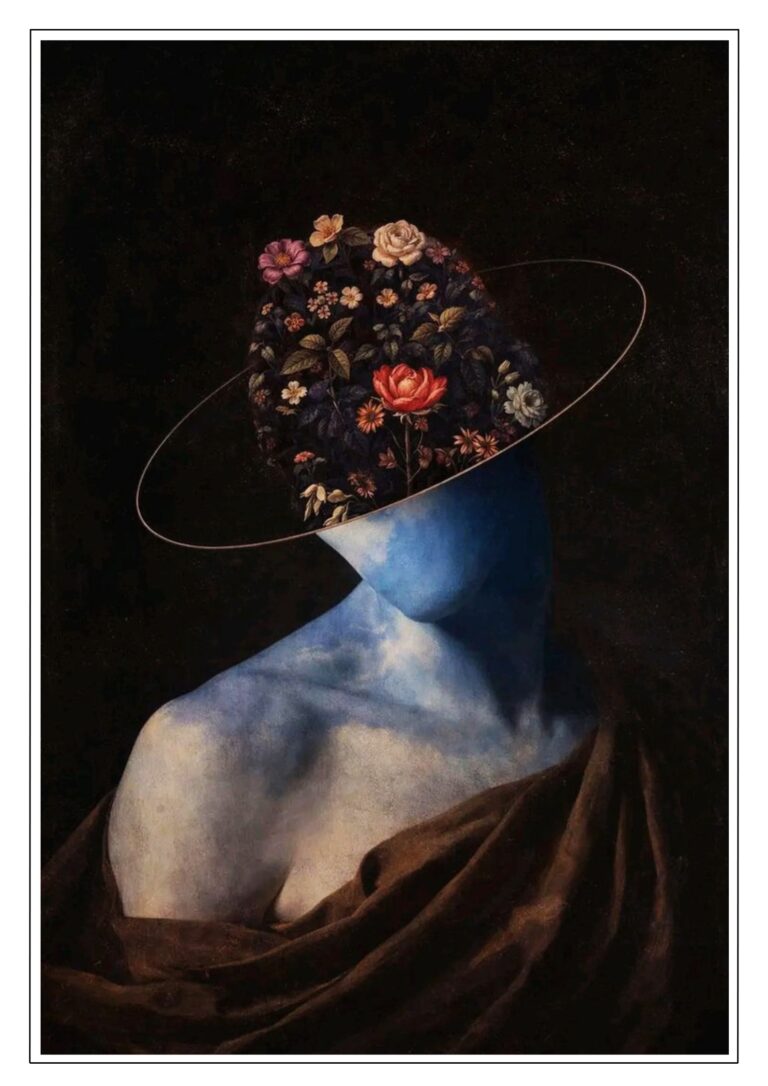
The core message to comprehend here, to be sensible towards is that a creative mind is intensely affected by the state of its mental health. Emotional pressure, humiliation, loneliness, failure, conflict, anxiety, depression, or even a single emotionally overwhelming moment can disturb the internal balance that creativity depends on. There’s a reason why writers often seek for spaces to confine themselves in order to drown in the sphere of mindful thinking, a reason why artists slip into a trance while pouring themselves on the canvas, why performers hide behind the chaos to calm their character, why art in general is considered meditative in many ways. Because it’s an entirely different world to consume. When the mind becomes emotionally crowded, it often looks for escape through distractions – from doom scrolling, stress eating, emotional withdrawal and procrastination to panic attacks, breakdowns, and endless overthinking. These responses do not only consume time, they drain the focus, emotional energy, and enthusiasm that creativity relies upon to function consistently. The relationship between mental health and creativity is so powerfully interconnected that where a healthy emotional state often gives the creative mind the clarity, curiosity, and stability it needs to explore, imagine, and create freely, in a parallel state, creative expression itself can become a way for people to process emotions, regain balance, and feel understood internally. Yet, this association is not always simple. Emotional struggle can sometimes push a person to create work with remarkable honesty and depth, while at other times, the same emotional weight can trap the mind in exhaustion, fear, or creative paralysis. In many ways, the mind becomes both the source of confinement and the path toward release.
The mind is naturally wired to seek expression, release, imagination, and meaning. When people suppress creativity for too long, they are not simply distancing themselves from art, they are often disconnecting from one of the mind’s most powerful ways of processing emotion and restoring balance.
Recommended Books On Art & Mental Health, Creativity & Healing Through Expression
All information was verified against primary sources.

Trained in journalism but a writer by choice, by profession & passion, she turned away from the confetti of corporate titles to pursue a rarer currency – meaning! The quiet urge to sincerely practice storytelling, perspectives & exploring ideas beyond boardrooms, trends & targets, kept feeding the fire within. Hence, after much delay, driven by intention & sustained by coffee in an era accelerated by algorithms, she is working with patience & principle to uphold the integrity, depth & permanence of the written word. This magazine aims to sustain as a platform for artists across the globe – a space built on the belief that bonafide artists and writers do not “generate” work, they “craft” it. The pieces here aren’t shaped to fit market trends, but are published with intention. Because, when the focus is the craft of writing, the discipline of storytelling & the value of art itself, Coffee & Kala doesn’t look for a “why.” It goes on to cover anything & everything that meets its attention.
Mental health can profoundly shape artistic expression by influencing the way individuals process emotions, memories, thoughts, and life experiences. It shapes the way a person perceives, feels, and ultimately creates. Many artists use creativity as a safe outlet to express feelings that may otherwise be difficult to communicate through words alone. Emotions linked to anxiety, depression, trauma, stress, or even joy and self-discovery often find their way into painting, music, poetry, photography, dance, and storytelling. At the same time, art itself can support emotional well-being. Creative activities are widely recognised for encouraging self-reflection, emotional release, mindfulness, and healing. This connection between mental health and creativity is why artistic expression is often explored in conversations around emotional resilience, art therapy, and personal growth.
There is no direct answer to what depression is capable of doing to a state of mind, whether it can make one more creative or shuts one down completely. Sometimes, it can make you more creative, yes, but not always, and never without a cost. There’s no switch that automatically turns on or off, but it can influence the depth, emotion, and perspective reflected in creative work. Research shows that mild to moderate depression can deepen a person's emotional range and loosen the mental rigidity that sometimes blocks creative thinking. But severe depression tends to shut creativity down entirely. It is not a simple equation of more pain equalling more art. Many writers, musicians, painters, and storytellers have channelled difficult emotions into powerful artistic expression, often creating work that feels deeply personal, reflective, and emotionally resonant.
At the same time, depression can also reduce motivation, focus, confidence, and energy, making creativity feel distant or difficult. While emotional struggles may shape artistic perspective, creativity itself comes from imagination, curiosity, skill, observation, and consistent expression; not from suffering alone. Research exploring the relationship between mental health and creativity suggests that emotional sensitivity and introspection can sometimes contribute to artistic thinking, but mental well-being remains essential for sustaining healthy and fulfilling creative work over time.
Artistic expression is the process of communicating thoughts, emotions, and inner experiences through creative forms such as painting, music, writing, photography, dance, or storytelling; precisely any form of mental and physical activity that is even remotely associated with the language, the energy of art. In the context of mental health, artistic expression often becomes a healthy emotional outlet, helping individuals process stress, anxiety, grief, trauma, or overwhelming feelings that may be difficult to explain through words alone. It allows the mind to release, reflect, heal, and reconnect with itself in a deeply personal and therapeutic way.
Emotions and creativity share a deeply personal connection because feelings often shape the way people think, observe, and express themselves. Whether it is joy, heartbreak, nostalgia, anxiety, hope, or grief, emotions can influence the stories we tell, the art we create, and the ideas we bring to life. As a result, many writers, musicians, painters, photographers, and filmmakers naturally draw inspiration from emotional experiences to create work that feels authentic and relatable.
At the same time, creativity also becomes a powerful emotional outlet. Through art, music, poetry, dance, or storytelling, people are often able to process emotions that may otherwise feel difficult to explain. This is why creative expression is frequently linked to emotional healing, self-awareness, mindfulness, and mental well-being. Ultimately, the relationship between emotions and creativity highlights how deeply human experiences can transform into meaningful artistic expression.
Art therapy is a therapeutic approach that uses creative activities such as painting, drawing, music, writing, photography, sculpture, or storytelling to support emotional and psychological well-being. Rather than focusing on artistic skill or perfection, art therapy encourages individuals to express thoughts, emotions, and experiences that may otherwise feel difficult to communicate through words alone.
As a result, art therapy is often used to help people cope with stress, anxiety, depression, trauma, grief, and emotional burnout. Engaging in creative expression can promote relaxation, improve self-awareness, reduce emotional overwhelm, and create a healthy outlet for processing difficult feelings. At the same time, it can also build confidence, mindfulness, and emotional resilience, making art therapy an increasingly recognised part of mental health and holistic healing conversations.
No, you do not need to be a skilled artist to benefit from art therapy. A 2016 study by Dr. Girija Kaimal at Drexel University found that 75% of participants showed measurable reductions in cortisol, the stress hormone, after just 45 minutes of art-making, regardless of their prior artistic experience. The brain responds to the process of creating, not the quality of the result. One doesn’t have to be gifted per se, one only has to begin. In fact, art therapy is not about creating perfect artwork or having professional artistic talent. Instead, the focus lies on self-expression, emotional release, and the process of creating rather than the final result.
Whether someone enjoys painting, sketching, writing, music, photography, or simply experimenting with colours and shapes, creative activities can help express emotions that may otherwise feel difficult to put into words. As a result, art therapy can support stress relief, self-awareness, emotional healing, and mental well-being for people of all ages and artistic abilities. Ultimately, the value of art therapy comes from honest expression and personal reflection, not from artistic perfection.
Art helps reduce stress and anxiety by giving the mind a healthy and calming outlet for emotional expression. When you engage in creative activity, something shifts biochemically. Activities such as painting, sketching, music, writing, photography, or crafting can shift attention away from overwhelming thoughts and instead encourage focus, mindfulness, and relaxation. Cortisol, the hormone your body releases under pressure drops. Dopamine, the reward chemical associated with pleasure and motivation, rises. You enter what psychologists call a "flow state", a condition of absorbed focus where the anxious, ruminating mind simply does not have the bandwidth to keep spinning. As a result, creative expression often helps people feel more present, emotionally balanced, and mentally refreshed.
At the same time, engaging in art can stimulate feelings of comfort, accomplishment, and emotional release. Many people find that creativity allows them to process emotions they may struggle to explain verbally, which can gradually ease mental tension and emotional fatigue. Because of this, art is increasingly recognised as a valuable tool for supporting stress management, anxiety relief, emotional well-being, and overall mental health.
Several influential artists throughout history are believed to have struggled with mental health challenges, and their personal experiences often shaped the emotional depth of their work. One of the most widely discussed figures is Vincent van Gogh, whose paintings reflected intense emotion, isolation, and inner turmoil. Similarly, Edvard Munch explored themes of anxiety, fear, and loneliness in works such as The Scream.
Writers and creatives like Sylvia Plath, Virginia Woolf, and Frida Kahlo also openly reflected emotional pain, trauma, and personal struggles through their art and literature. At the same time, it is important to understand that mental health challenges do not define creativity. While emotional experiences may influence artistic expression, creativity itself comes from imagination, perspective, discipline, and the desire to communicate human experiences in meaningful ways.
Research has shown that there can be a connection between creativity and certain mental health conditions, particularly in areas linked to emotional sensitivity, intense imagination, and unconventional thinking. Some studies suggest that artists, writers, musicians, and highly creative individuals may experience higher rates of conditions such as anxiety, depression, bipolar disorder, or mood related challenges compared to the general population. Dr. Kay Redfield Jamison of Johns Hopkins, in her peer-reviewed research and her landmark book Touched With Fire, found that artists, writers, and musicians show significantly higher rates of mood disorders than the general population.
However, the relationship is far more complex than the idea that mental illness directly causes creativity. What researchers are clear on, is that mental illness does not create artistic talent, but what seems to connect them is a shared neurological and emotional temperament. One characterised by deep feeling, heightened perception, and sensitivity to the world. That same sensitivity is both a creative gift and a psychological vulnerability. While emotional struggles can sometimes influence artistic perspective and self-expression, mental illness itself can also make it difficult to focus, create, or maintain emotional balance. Creativity is shaped by many factors including curiosity, life experiences, discipline, observation, and imagination. Therefore, experts emphasise that creativity should not be romanticised through suffering, and that mental well-being remains essential for healthy and sustainable creative expression.
Art therapy can offer meaningful emotional support for people experiencing depression by creating a safe and healthy outlet for self-expression. Through activities such as painting, drawing, writing, music, photography, or storytelling, individuals are often able to communicate emotions that may feel difficult to express verbally. As a result, creative expression can help reduce emotional heaviness, encourage reflection, and provide a sense of relief during overwhelming periods.
At the same time, art therapy can improve self-awareness, confidence, focus, and emotional connection. Engaging in creative activities often promotes mindfulness and helps individuals reconnect with their thoughts, feelings, and sense of identity in a gentle and non-judgmental way. Because of this, art therapy is increasingly recognised as a supportive approach for managing depression, reducing stress, and improving overall mental well-being alongside professional mental health care.
Emotional expression through art supports healing by allowing individuals to process feelings in a safe, creative, and deeply personal way. Sometimes emotions such as grief, anxiety, trauma, loneliness, or stress can feel difficult to explain through words alone. However, activities like painting, writing, music, photography, dance, or storytelling can help transform those emotions into something visible, meaningful, and easier to understand. As a result, creative expression often brings a sense of emotional release and inner clarity. A 2024 quasi-systematic review identified five ways creative engagement supports mental wellbeing: through emotional processing via symbolic creation; through nonverbal communication; through communal meaning-making; through restoring a sense of agency; and through enabling post-traumatic growth; the remarkable human capacity to not just survive suffering, but to be genuinely enlarged by it.
At the same time, engaging in art can encourage mindfulness, self-reflection, and emotional awareness, all of which play an important role in mental well-being. Many people find that creativity helps them reconnect with themselves, regain confidence, and feel emotionally lighter during challenging periods of life. Because of this, emotional expression through art is widely associated with healing, stress reduction, emotional resilience, and personal growth.
Art therapy and making art for fun may appear similar, but they are not exactly the same. Creating art recreationally can certainly help people relax, reduce stress, and enjoy a sense of creative freedom. Activities such as painting, sketching, journaling, music, or photography often support emotional well-being simply by allowing individuals to unwind and express themselves creatively. However, art therapy is a more structured therapeutic approach guided by a trained mental health professional. It is specifically designed to help individuals explore emotions, process difficult experiences, improve self-awareness, and support mental health through creative expression. While both can be emotionally beneficial, art therapy focuses more deeply on psychological healing, emotional understanding, and personal growth within a supportive therapeutic environment.
Yes, creativity can positively improve emotional wellbeing even outside of therapy. Engaging in creative activities such as writing, painting, music, photography, gardening, cooking, dance, or storytelling can help people relax, process emotions, and feel more connected to themselves. As a result, creativity often provides a healthy escape from daily stress while encouraging mindfulness, focus, and emotional balance.
At the same time, creative expression can build confidence, spark joy, and create a stronger sense of purpose and self-identity. Many people turn to artistic hobbies during emotionally difficult periods because creativity allows them to reflect, release emotions, and channel their thoughts into something meaningful. Because of this, regular creative engagement is widely associated with stress relief, emotional resilience, self-awareness, and overall mental well-being, even in everyday life outside professional therapy settings.
Emerging neuroscience is beginning to confirm what artists and therapists have long known intuitively. A 2024 systematic review published in Frontiers in Behavioral Neuroscience found early but consistent evidence that creative activities activate the brain regions responsible for emotional regulation, including the prefrontal cortex and the amygdala. Researchers believe this shared neurological mechanism may be why art-making reliably produces calmer, more focused mental states. The science is still developing, but the direction it points is clear: engaging in any form of art genuinely changes what is happening inside your brain, not just how you feel in the moment.
Art therapy is a therapeutic practice that uses creative expression to support emotional, psychological, and mental wellbeing. It involves activities such as painting, drawing, writing, music, photography, sculpture, or storytelling to help individuals explore and express thoughts and emotions that may feel difficult to communicate through words alone. Unlike traditional art classes, art therapy does not focus on artistic skill or creating perfect artwork. Instead, the process of creating becomes a tool for self-reflection, emotional release, healing, and personal growth. As a result, art therapy is often used to help people cope with stress, anxiety, depression, trauma, grief, and emotional challenges while encouraging mindfulness, self-awareness, and emotional resilience.
One of the most famous paintings created during Vincent van Gogh’s stay at the Saint Paul de Mausole Asylum in Saint Remy de Provence was The Starry Night. Painted in 1889, the artwork was inspired by the view outside his room window at the asylum and later became one of the most celebrated paintings in art history.
Vincent van Gogh admitted himself to the Saint Paul de Mausole asylum in Saint Remy de Provence in 1889 after experiencing severe mental and emotional distress. Prior to this, he had gone through periods of intense anxiety, hallucinations, emotional instability, and psychological breakdowns, including the widely discussed incident in which he injured his own ear following an argument with fellow artist Paul Gauguin.
At the time, Van Gogh recognised that his mental health struggles were becoming increasingly difficult to manage on his own. As a result, he chose to enter the asylum to receive care, rest, and stability. Interestingly, despite his emotional challenges, his stay at the asylum became one of the most creatively productive periods of his life, during which he painted masterpieces such as The Starry Night and several celebrated landscapes and portraits.
Yes. The Starry Night was painted by Vincent van Gogh in 1889 while he was staying at the Saint-Paul-de-Mausole asylum in France. The painting was inspired by the landscape visible from his asylum window.
The exact diagnosis of Vincent van Gogh remains uncertain, but historians and medical researchers believe he may have experienced conditions such as depression, anxiety, psychosis, bipolar disorder, or epilepsy-related episodes. His mental health struggles deeply affected his life, though he continued creating some of history’s most celebrated artworks during that period.
© 2025 Coffee & Kala. All original editorial content of this publication is protected under copyright and intellectual property laws. Third-party media is credited to respective owners and used in accordance with usage rights.