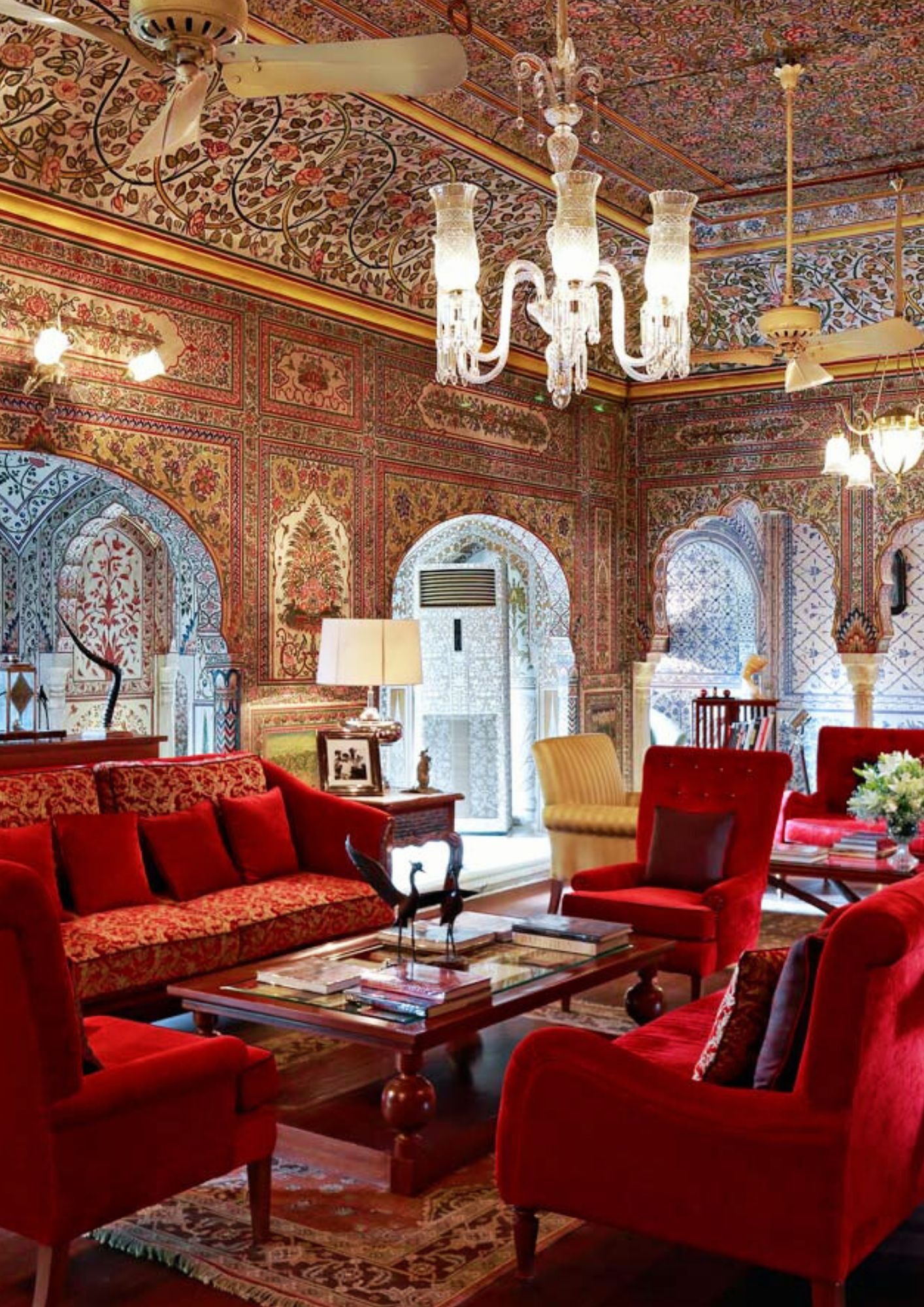
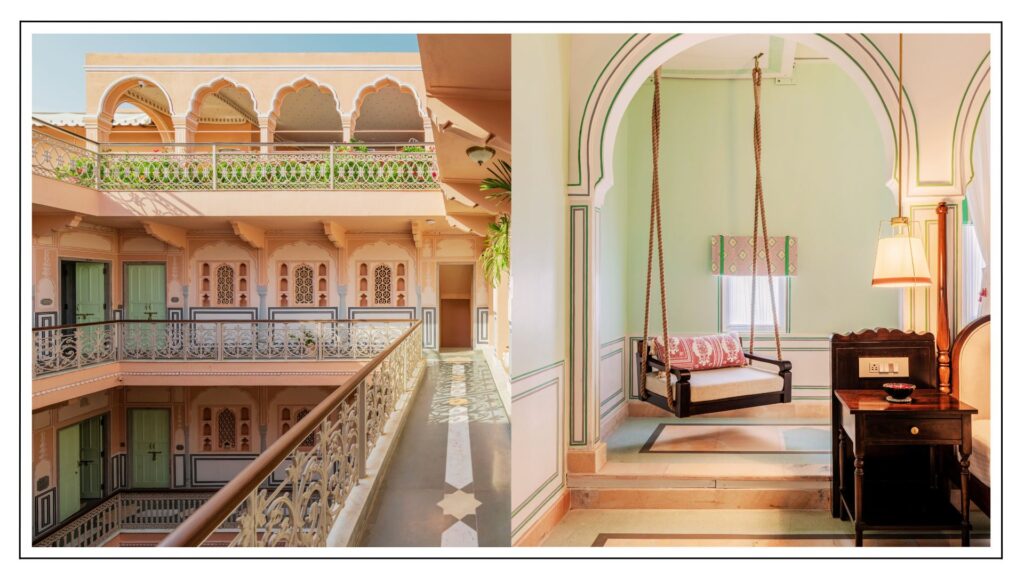
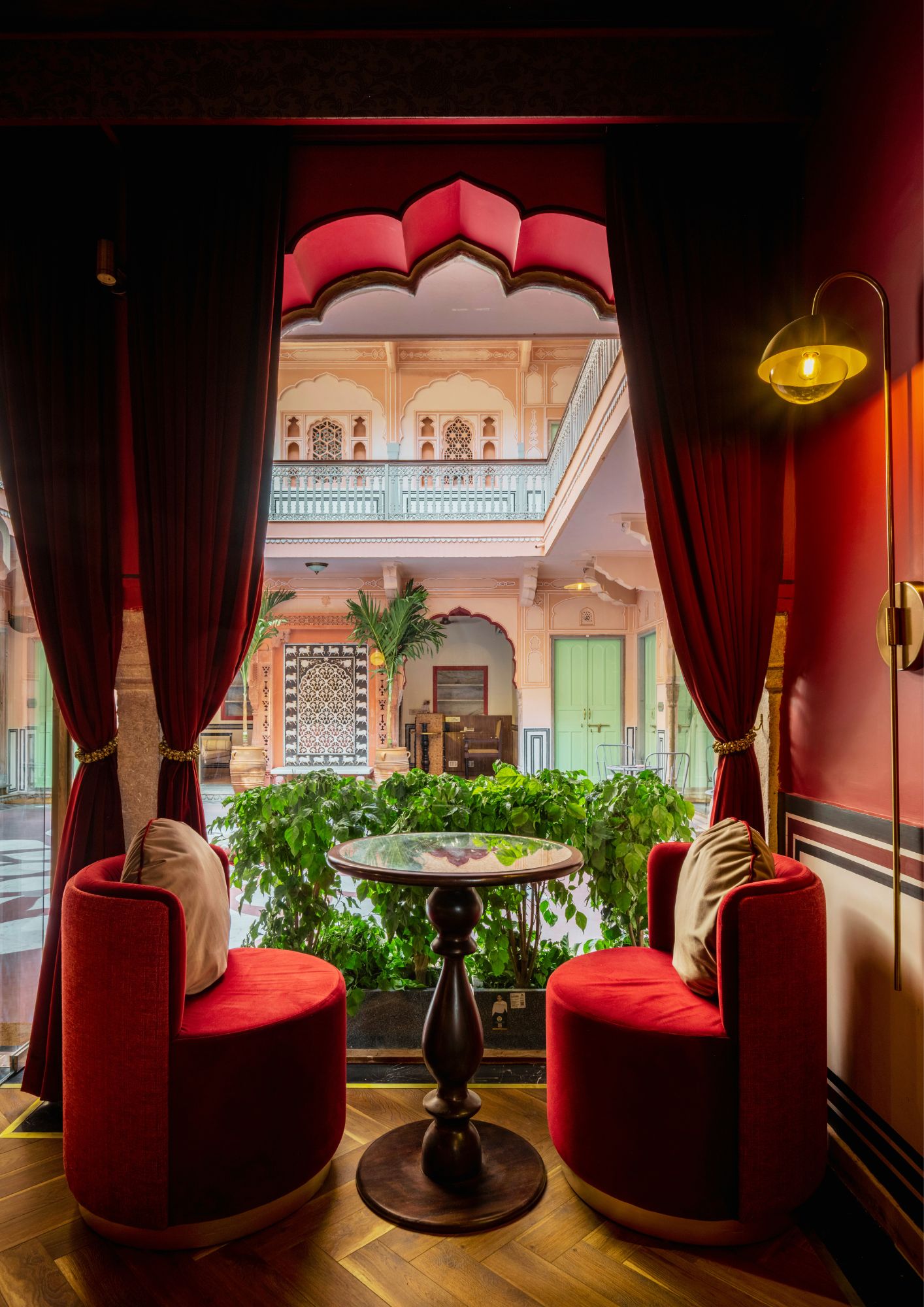
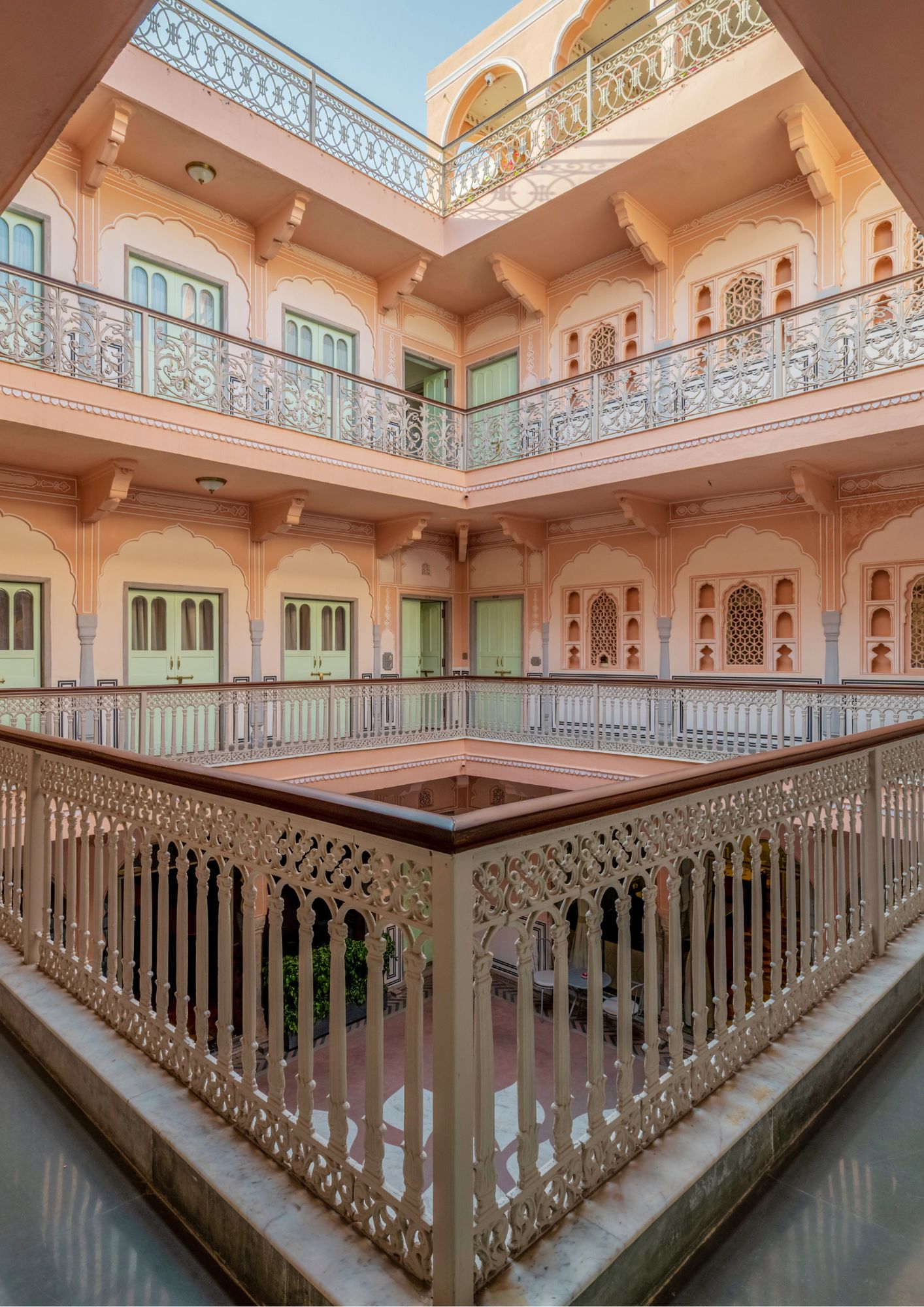
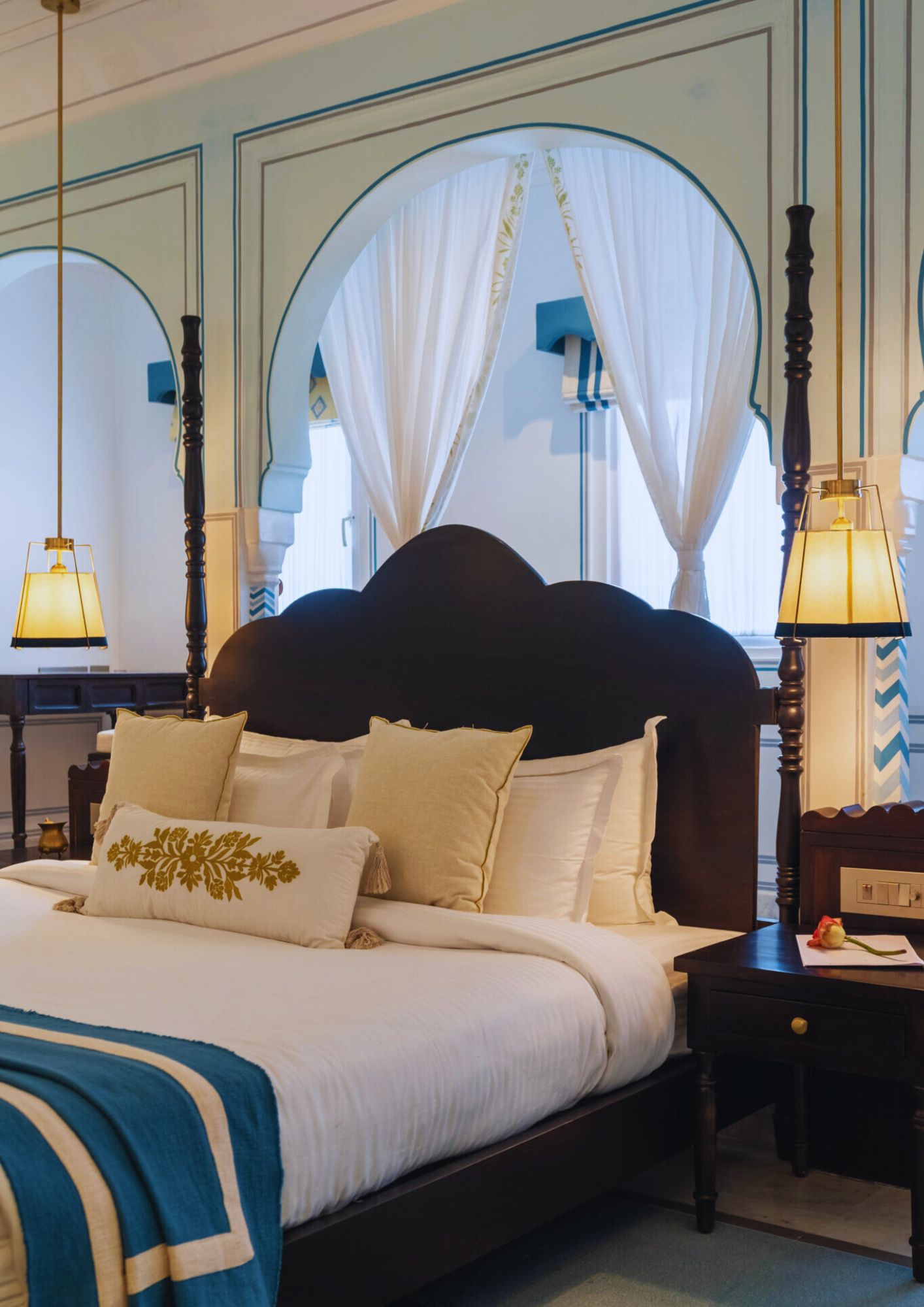
Boutique Hotels In India

Legacy Meets Leisure: The Era Of Boutique Hotels In India

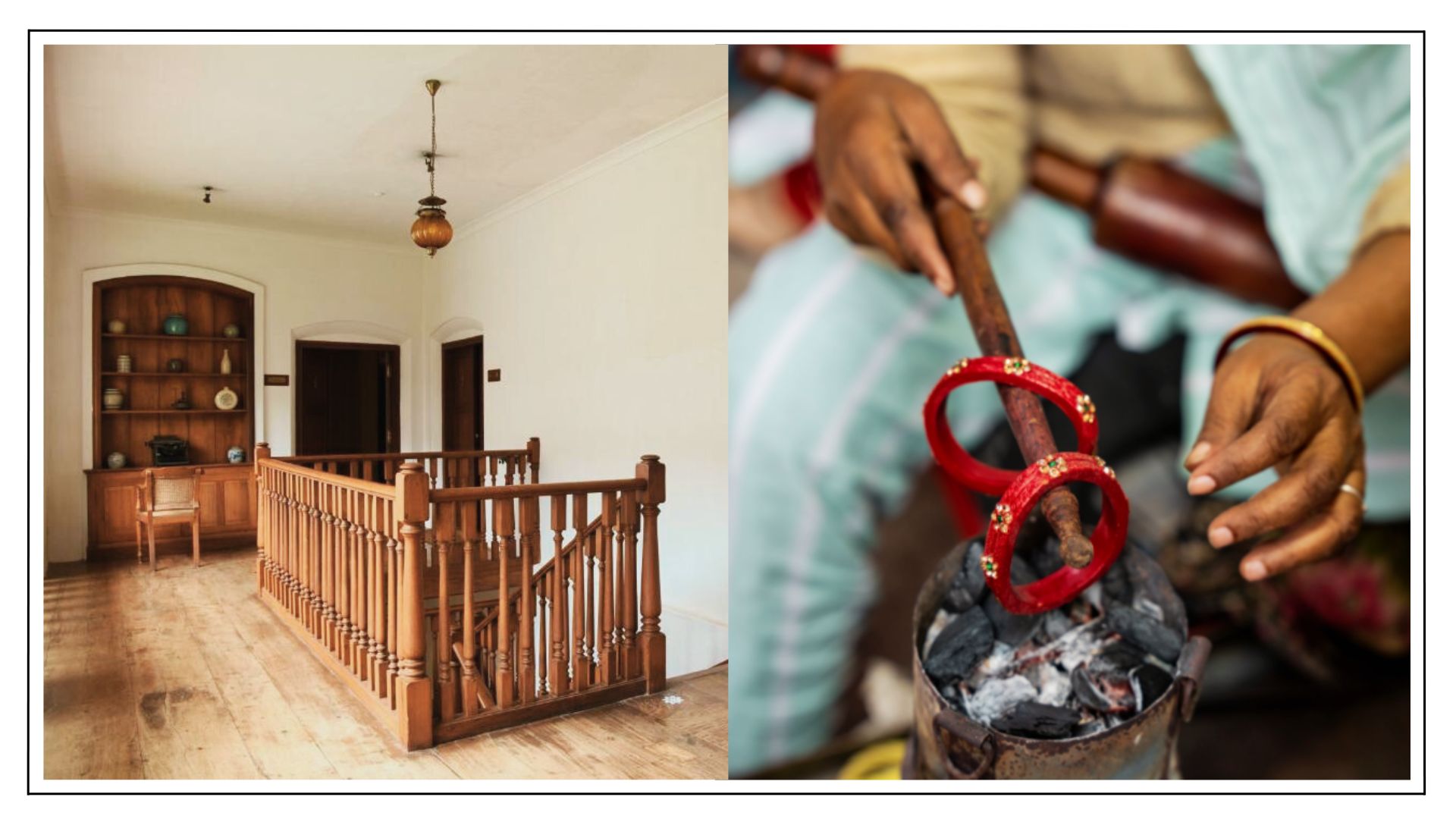
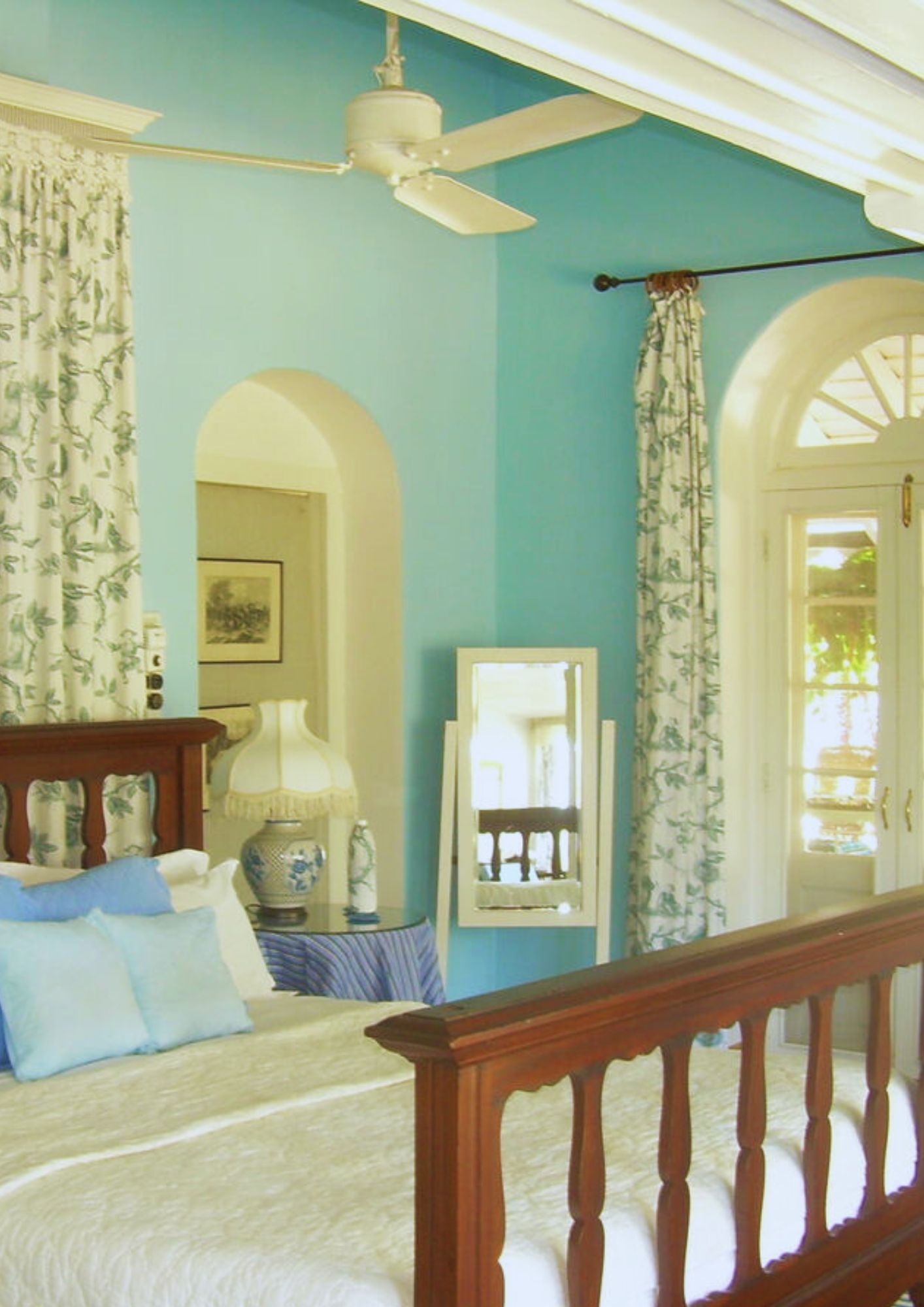
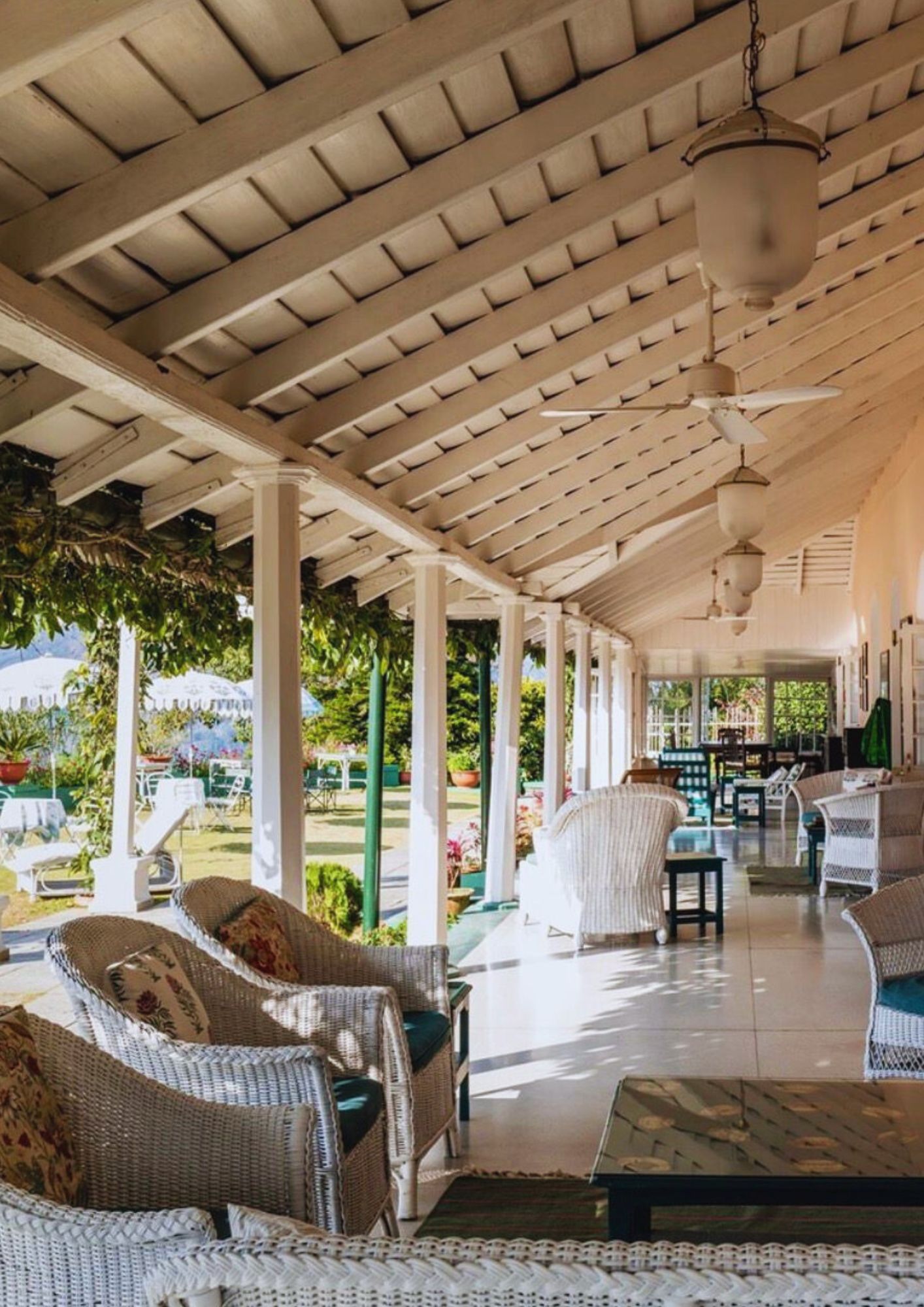
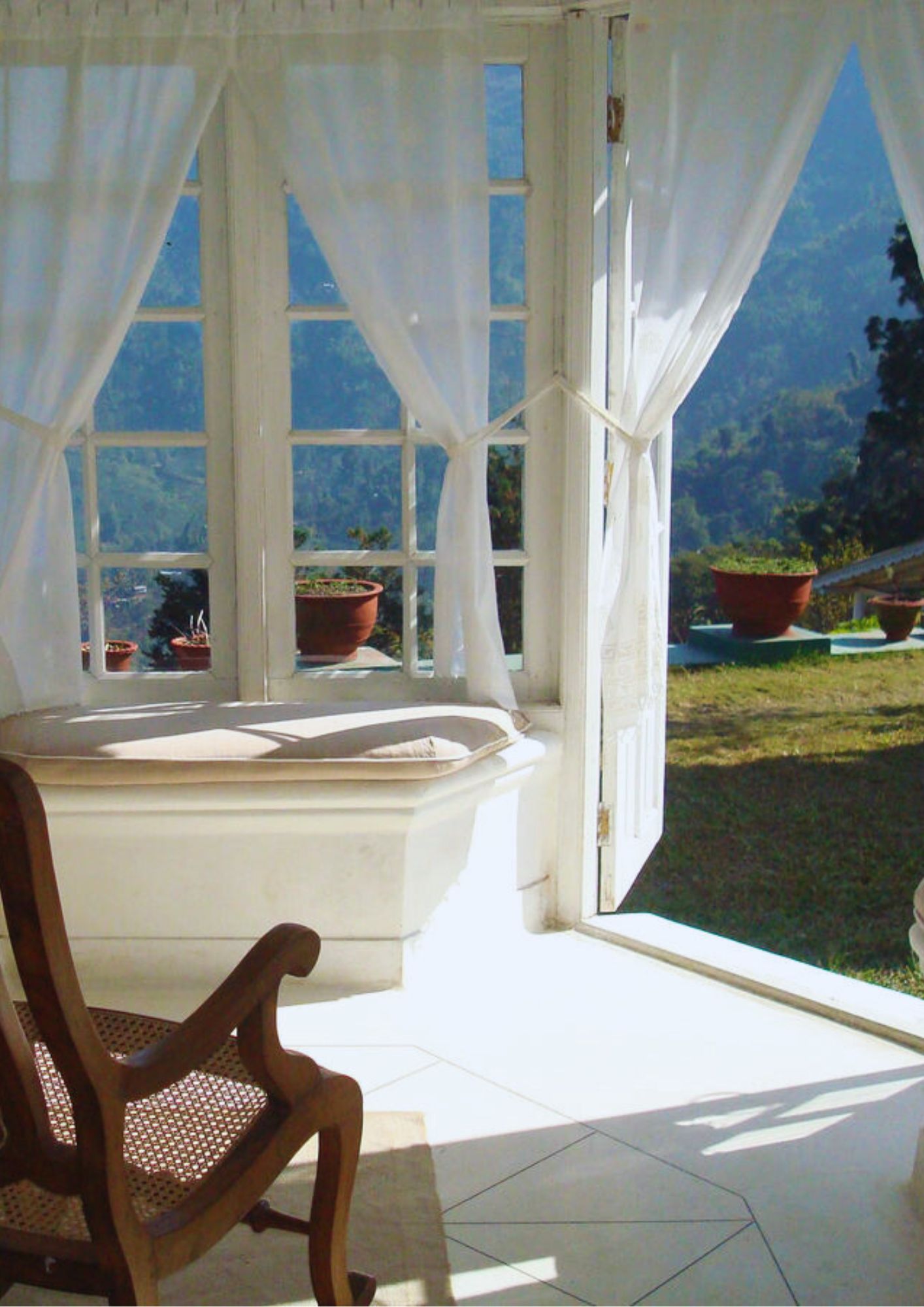
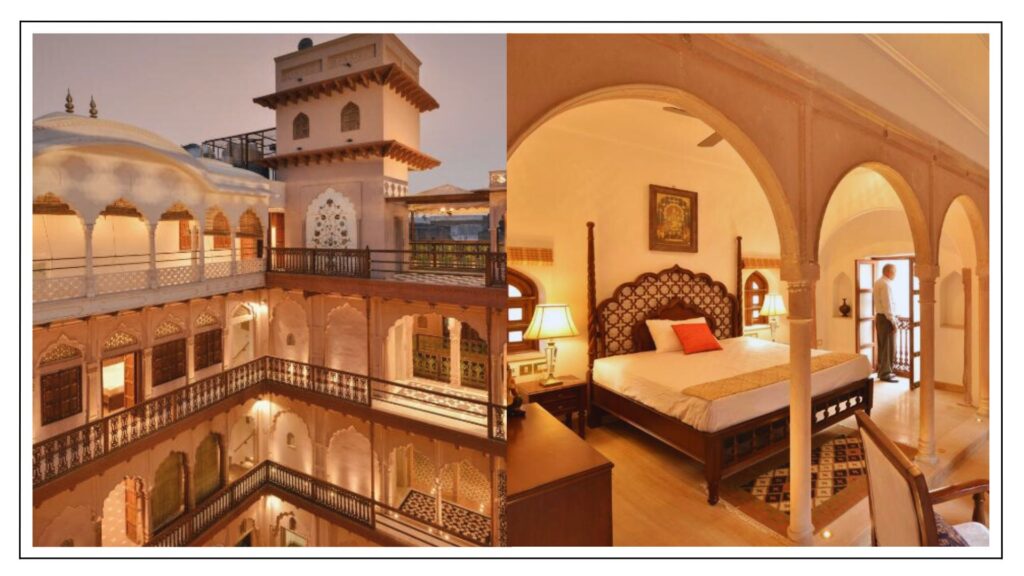
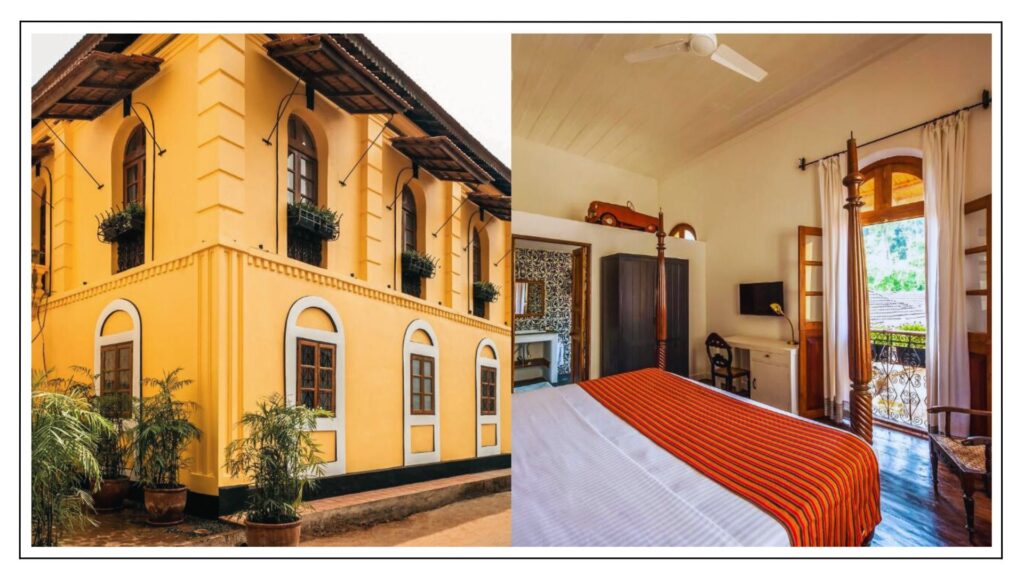
Tucked away in landscapes untouched by time, nestled within the hushed corners of the restless cities, the most talked-about stays are now rerouting the travel map of India. These are not towering structures of glass and steel, nor are they global hotel chains offering standardised luxury. Instead, they are intimate, character-rich spaces; properties that whisper stories of heritage, craftsmanship, and slow living. As discerning travellers seek experiences that go beyond polished lobbies and star ratings, India’s boutique hotels are stepping into the spotlight. With their thoughtfully curated interiors, immersive cultural experiences, and a deep sense of place, these hidden gems are transforming the hospitality landscape, one handcrafted breakfast and sun-drenched courtyard at a time.

What Is The Concept Of A Boutique Hotel?

Boutique Hotels In India
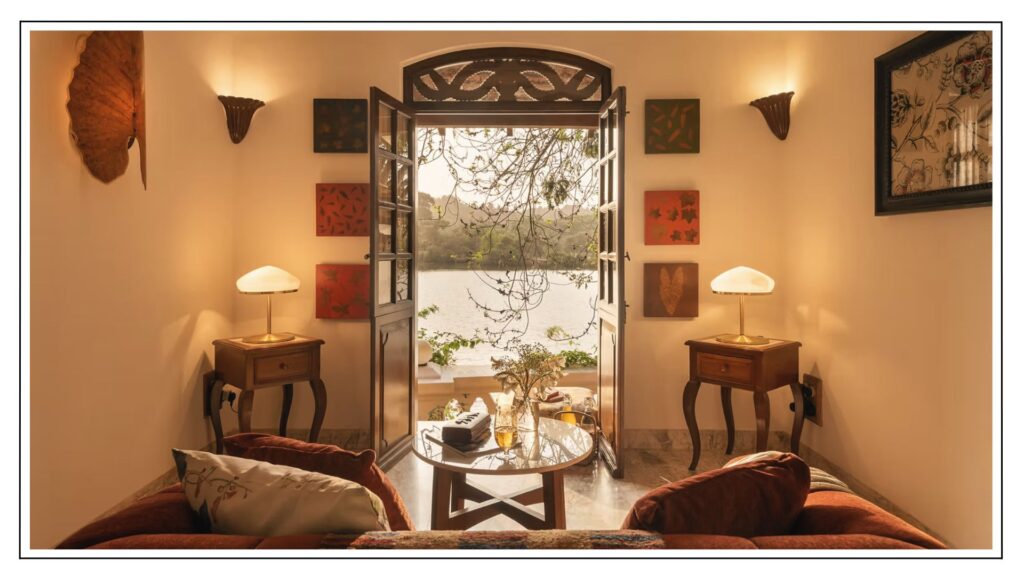
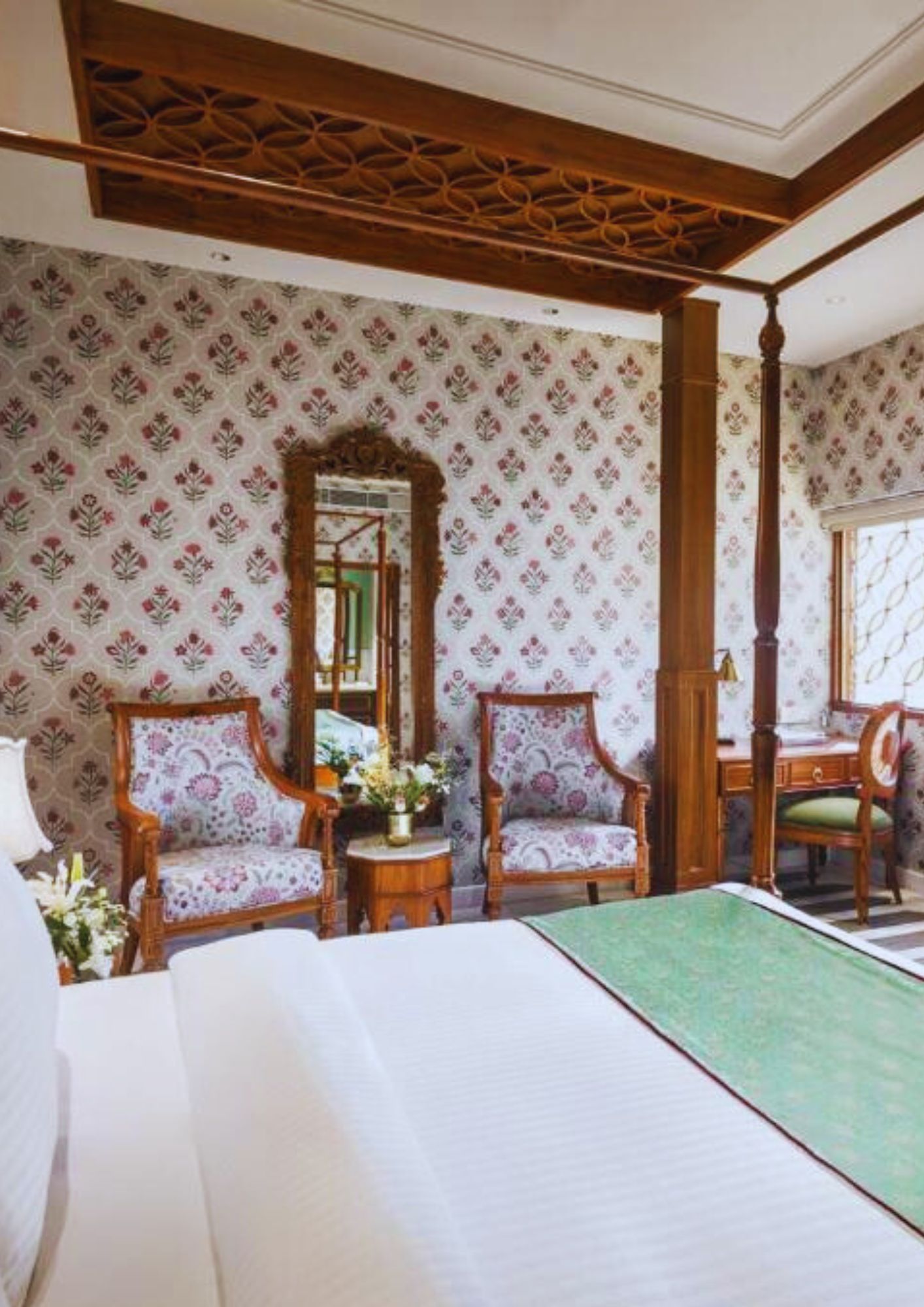
Image Credit: amrapali-houseofgrace.com

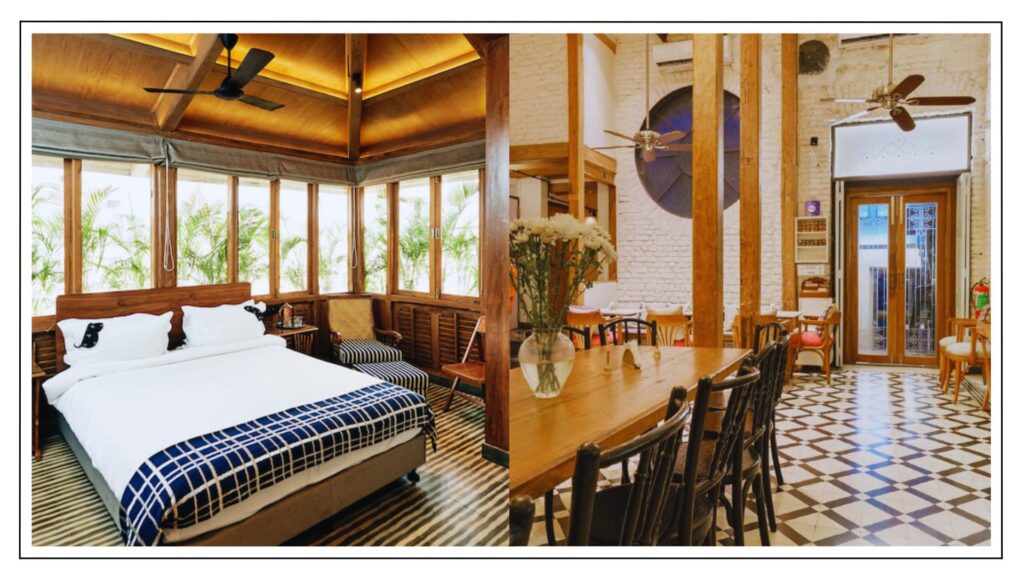
Typically, a small, intimate, design-led hospitality property is what sketches the layout of a boutique hotel. Boutique hotels generally feature between 10 and 100 rooms, but the majority operate with significantly fewer rooms – known for its distinct personality, purpose-scaled, and personalised guest experience. Unlike large hotel chains, boutique hotels are more inclined towards unique architecture, concept-led spaces, and place-led identity, offering stays that feel more individual, local, and thoughtfully crafted. Emphasising on the same, these properties draw travellers looking for an experiential stay rather than standardised luxury. With an emphasis on personal service, cultural connection, and experience-driven hospitality, boutique hotels attract travellers looking for authentic stays, meaningful design, and character-rich spaces rather than standardised luxury.

Now, Why Are Boutique Hotels On The Rise In India?

This quiet revolution is not just about aesthetic appeal; it’s about a shift in mindset. From restored palaces and colonial manors to eco-retreats and artistic hideaways, boutique hotels are offering more than just a room; for they are offering a narrative. Over time, they are becoming the preferred choice for those who seek to travel not just widely but meaningfully. According to a statistical report published by Grand View Research, the Indian boutique hotel market is projected to grow at a compound annual growth rate (CAGR) of 9.6% from 2025 to 2030, reaching approximately USD 1.28 billion by 2030. Furthermore, another analysis by Cognitive Market Research indicates a CAGR of 11% for India within the Asia-Pacific boutique hotel market, highlighting India’s position as one of the fastest-growing markets in the region.

In addition, there’s been an 8% increase in domestic tourism post-pandemic in certain regions, fueling demand for signature accommodations that offer personalised experiences. This is where these retreats answer the call not to offer a structured service for a staycation, but to a countryside home of storytelling! Looking ahead, the country’s boutique hotel sector is poised for continued expansion, supported by increasing disposable incomes, government initiatives promoting tourism, and a growing desire for unique travel experiences.

What Is The Difference Between A Boutique Hotel And A Luxury Five-Star Hotel?

While both boutique hotels and luxury five-star hotels promise comfort and quality, the experience they offer feels fundamentally different.

Boutique hotels are defined by individuality: fewer rooms, distinctive design, and a strong connection to their location. Each stay feels personal, often shaped by heritage architecture, local art, thoughtful storytelling, and hands-on hospitality where guests are treated as individuals rather than room numbers.

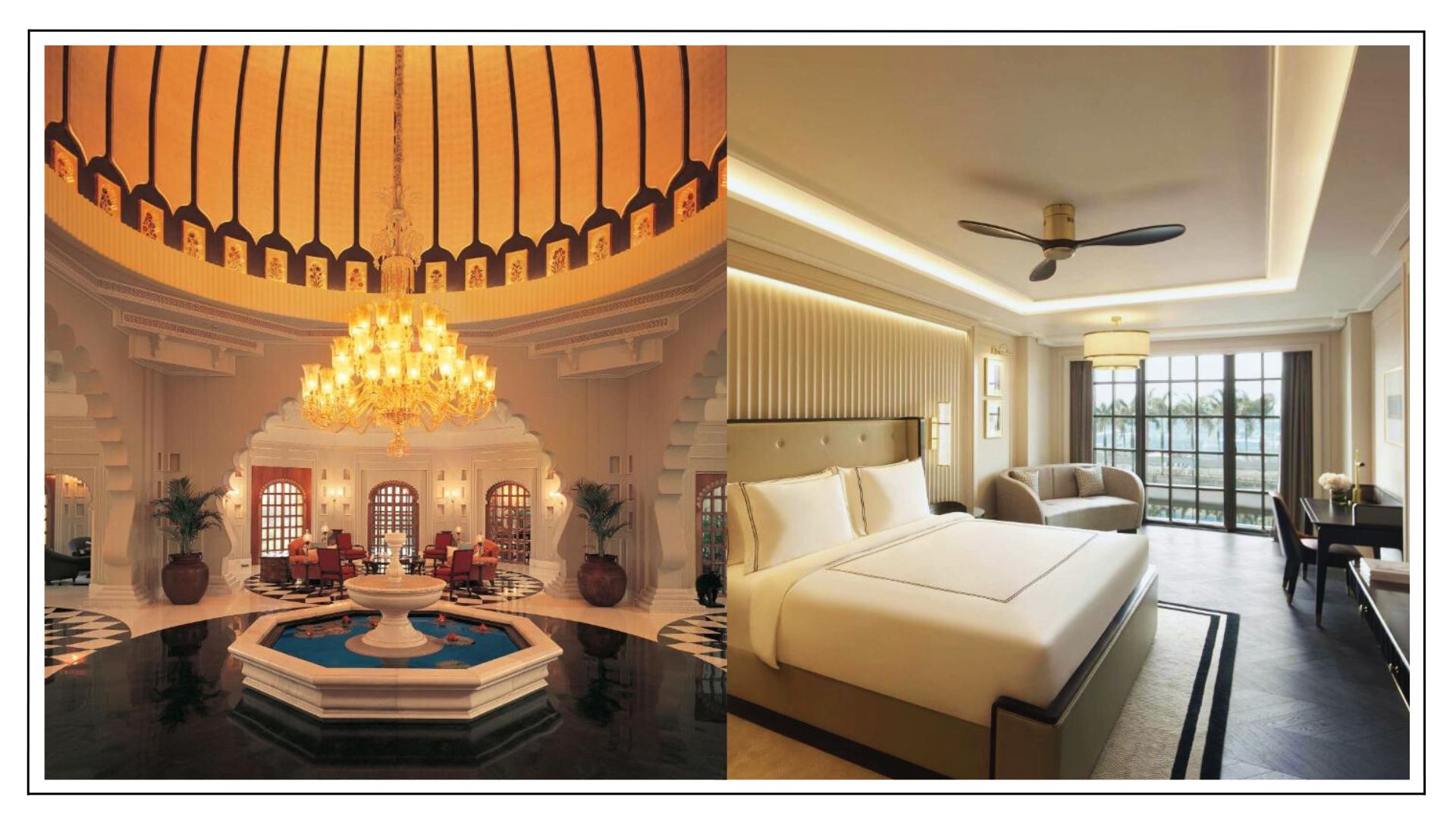
On the other hand, luxury five-star hotels focus on scale and standardisation. They excel in offering expansive facilities such as multiple restaurants, large spas, gyms, ballrooms, and round-the-clock services, all delivered with precision and consistency. While undeniably plush, the experience is often similar across destinations, driven by brand standards rather than local nuances.

In simple terms, travellers choose boutique hotels in India when they value character, intimacy, cultural depth, and a heritage-aware time. Luxury five-star hotels are ideal for those seeking grand amenities, predictability, and extensive services. Neither is superior; the choice depends on whether you’re drawn to soulful experiences or statement luxury.

Boutique Hotels In India That Make The Stay The Destination

India's Unique Stays
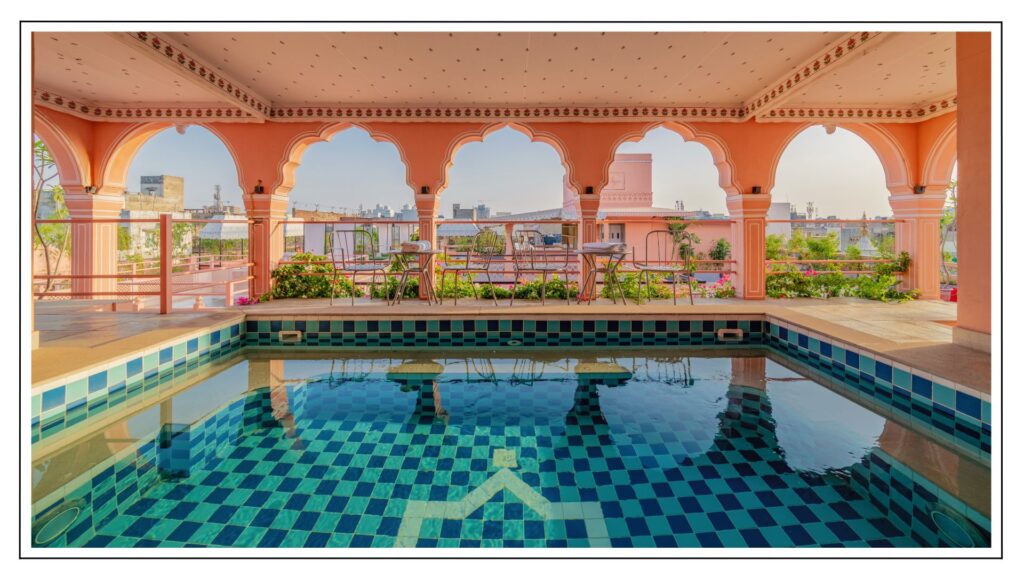
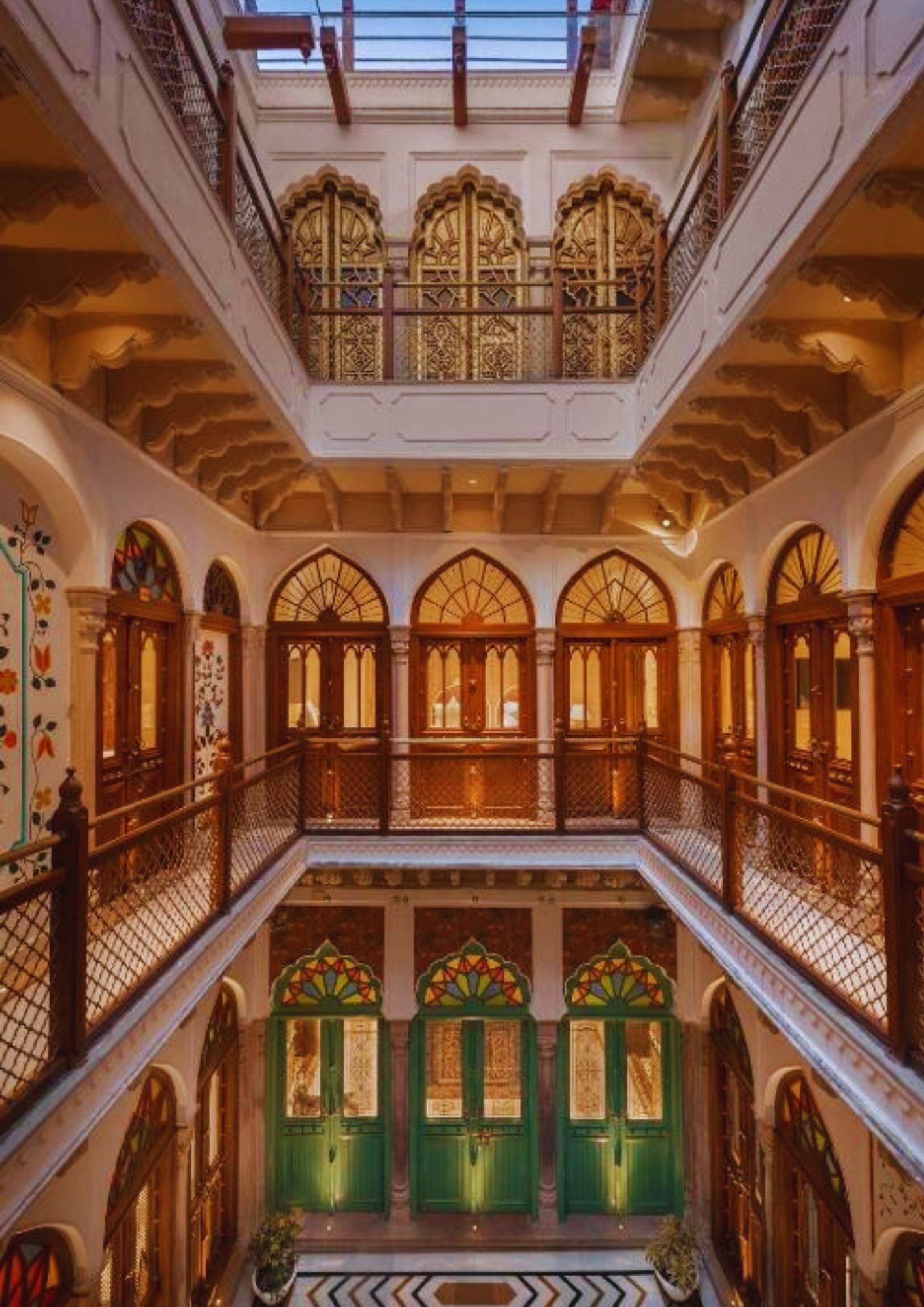
Image Credit: Courtesy of The Padmaa Jaipur

Essentially, there’s no single, definitive list because India is home to an ever-growing constellation of concept hotels that frequently feature on well-regarded editorial and traveller-voted lists. What makes a property “stand out” isn’t typically a well put-together room with a view or an infinite heated plunge pool; but properties that are bookmarked for their consistency in living up to their guests’ expectations, delivering a strong sense of identity, layered histories, and an unmistakable sense of place. In regards to the same, as a platform, it’s a conscious thought not to frame properties through formulaic titles, recognising that each space carries its own individuality; and that what resonates deeply with one guest may not necessarily align with another. From converted Havelis and restored forts to intimate coastal hideaways and tea-estate bungalows, there’s a trove of stays that are yet to be meticulously studied and experienced, but an article can only cover so much.

That said, this article curates a focused selection of some of the tastefully designed and intuitively orchestrated boutique hotels in India. Specifically, it spotlights properties that stand out for their storytelling, design integrity, rich demeanor, and guest experience. The list includes Brunton Boatyard, The Padmaa, Glenburn Tea Estate, Abode Bombay, Mateus Boutique Hotel, Anopura, Haveli Dharampura, Amrapali – House of Grace, Samode Haveli, 28 Kothi, and Calcutta Bungalow; thereby offering readers a concise yet meaningful snapshot of India’s boutique hospitality landscape.

Contents

Brunton Boatyard, Kochi

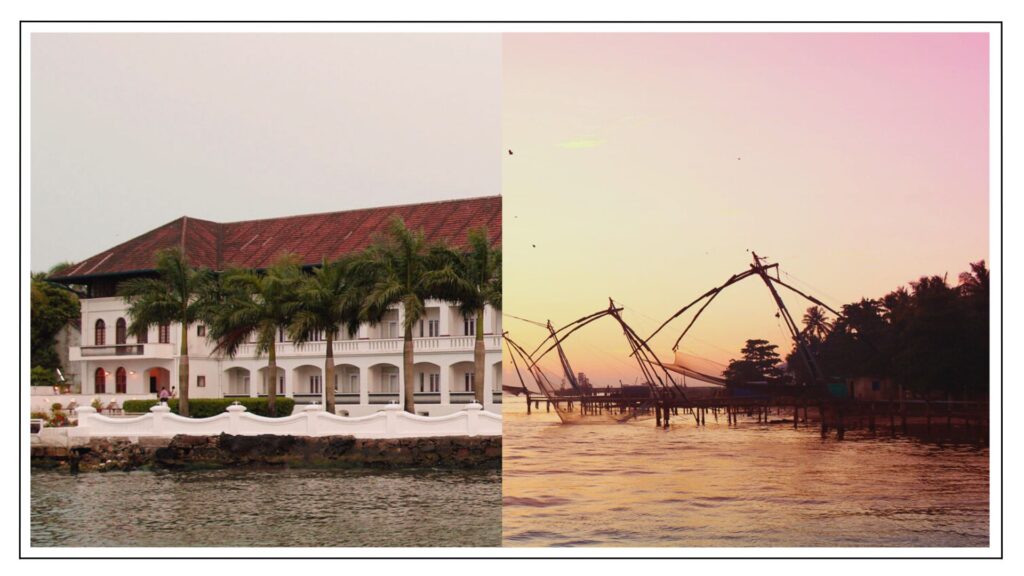
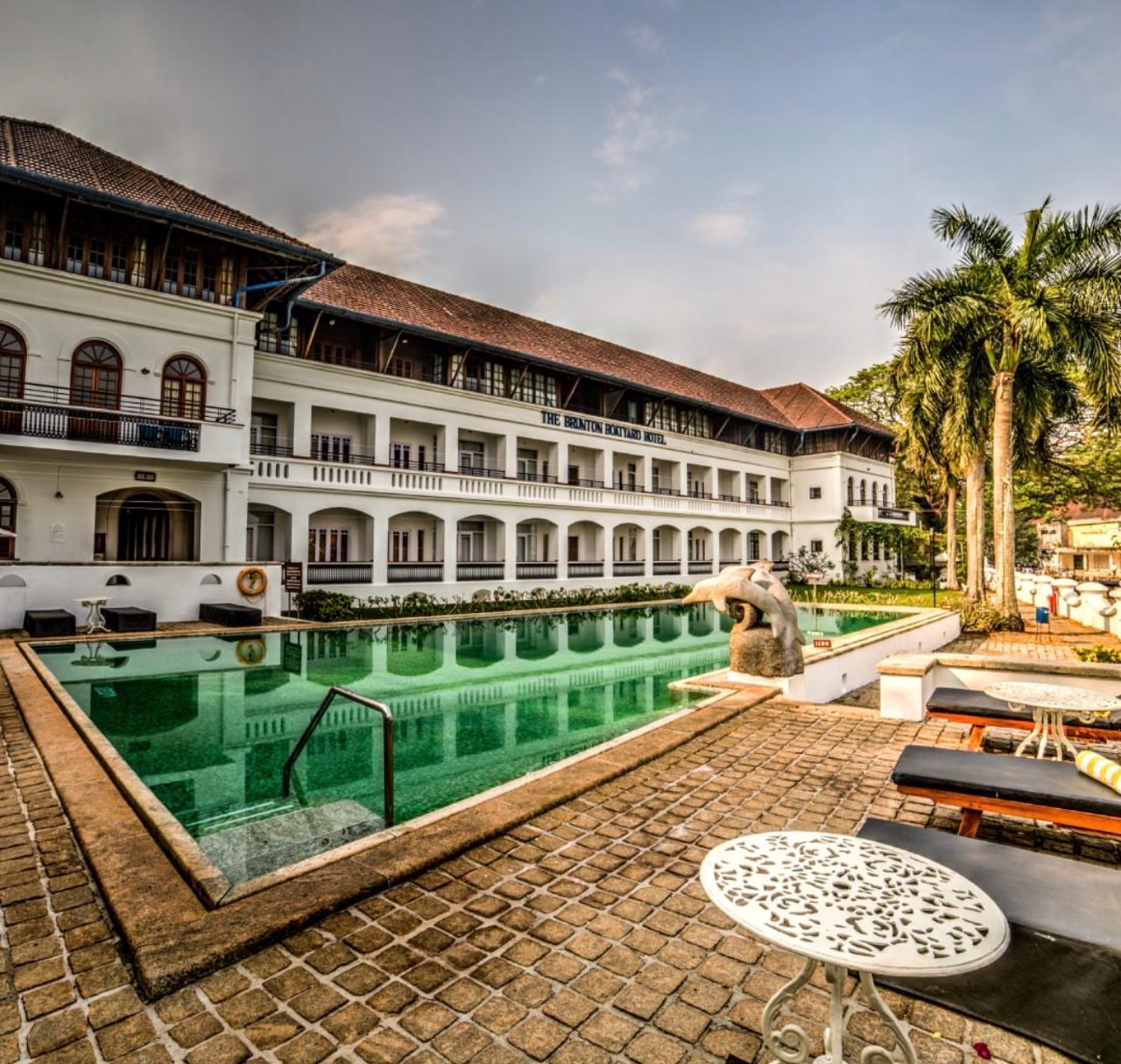
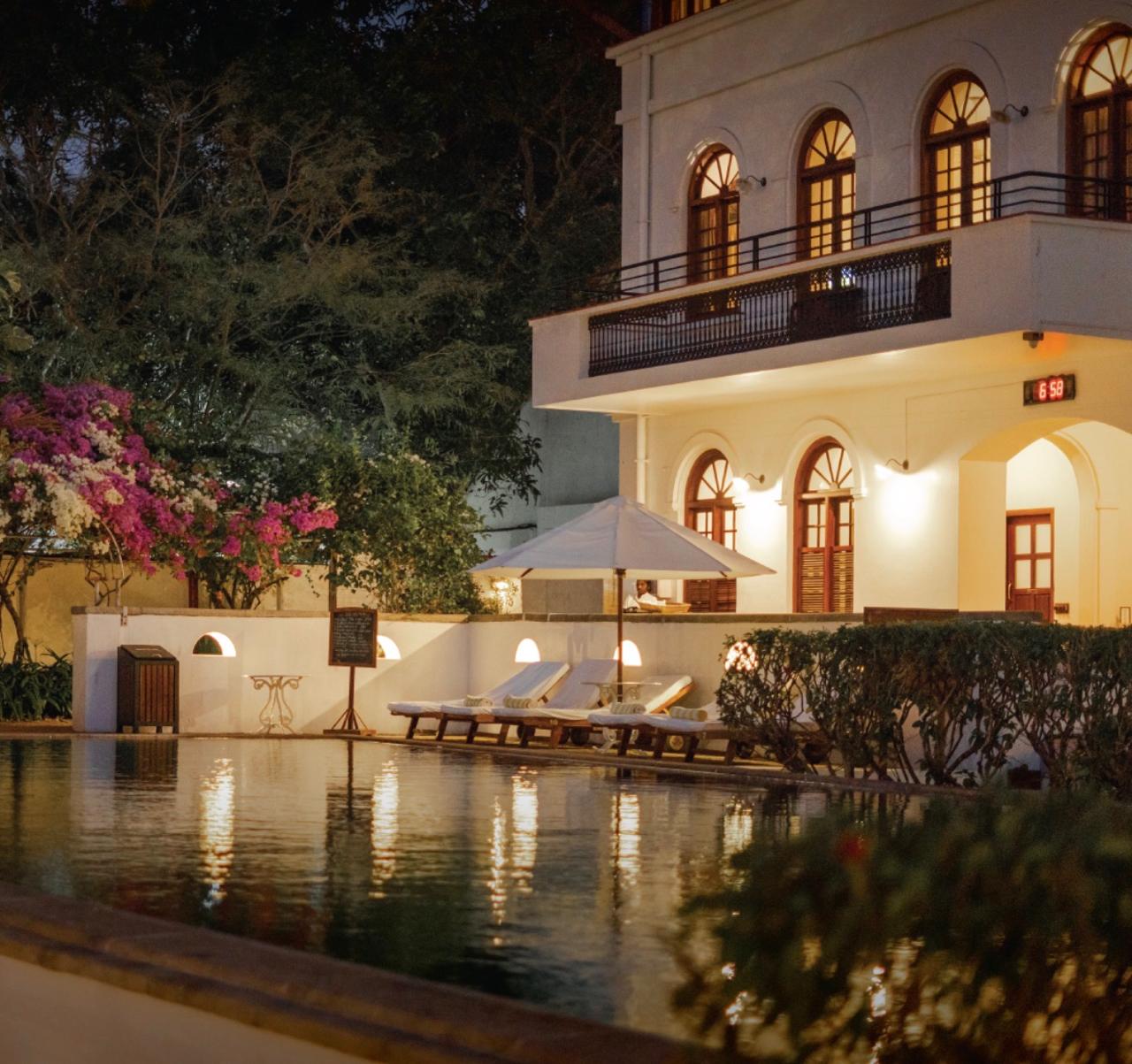
Perched on the historic harbourfront of Fort Kochi, Brunton Boatyard is not merely a hotel, it’s one of the living chapters of Kerala’s rich past, reimagined for the discerning modern travellers. The building was once the heart of George Brunton & Sons’ old shipbuilding business. Over the years, the stately structure has been carefully restored; keeping its beautiful hallways, lofty ceilings, and colonial architecture, that made it a centre of maritime heritage. Originally, established in the late 1800s as a boatyard that built and repaired ships during the British era, Brunton Boatyard rose to prominence as a maritime network. Notably, even during times of international conflict, its ships are said to have served British interests. However, as industrial transitions unfolded, the shipbuilding operations waned, and the site fell into disuse. Recognising its historic resonance and architectural worth, the CGH Earth group reimagined the space as a heritage hotel, honouring the site’s soul while adapting it to modern luxury.

Brunton Boatyard, Kochi

The 26 postcard-like rooms here offer one of the rare pleasures of Kochi: waking to the sight of lazy fishing boats, chic dhow boats, and distant cargo ships drifting across the Arabian Sea straight from your private balcony or bathroom panorama. Meanwhile, sunsets over Vypin Island’s palm fringes are a daily spectacle you won’t soon forget. Beyond the views, dining at Brunton’s is an immersive journey through Fort Kochi’s layered culinary tapestry. At the popular History Restaurant, dishes are inspired by the Jewish, Anglo-Indian, Syrian Christian, and Portuguese cultures that have shaped the region’s taste. Here, each dish tells a story as rich as the setting itself. The hotel’s sustainability initiatives, such as collecting monsoon rains for thoughtful reuse and providing treated rainwater in sophisticated glass bottles, are equally considerate and honor the environment and community without requiring visitors to sacrifice comfort.

Editor’s Note: When the nation was breathing under its subjugated era, even the slightest conjectural thought of rebuilding a boatyard into a luxury estate; and eventually rising it as one of the compelling story-driven boutique hotels in India would’ve sounded implausible. Cut to this cutting-edge generation where Brunton Boatyard is now nothing short of an exemplary experience. There’s this quiet authority in its presence, the kind that comes from having witnessed centuries of tides, trade, and transitions. What makes it compelling is the balance; between colonial gravitas and modern ease, between nostalgia and relevance, between romance and restraint. There’s also a personal bias I don’t resist; there’s never any back and forth on my end when it comes to finalising waterfront properties. In addition, when they’re layered with tales and culture, loosening the purse strings feels more of an urgency then. If your sense of travel even remotely aligns with mine, then this Victorian shipyard must not miss your name on its horizon.

Insider Notes:

  • Number of Rooms: 26
  • Type of Rooms: Not all rooms overlook the sea, something worth knowing before you book. Room categories include-
  1. Non-Sea-Facing Rooms
  2. Sea-Facing Rooms
  3. Deluxe Suites
  4. Deluxe Suites with a Private Terrace
  • Airport/railway station transfers can be arranged on request. Current charges – AC Innova/SUV: INR 4,200.
  • The property follows a no-pets policy, so pet parents are advised to plan accordingly.
  • Check-in time: 2:00 pm
  • Check-out time: 11:00 am 
  • Mornings can begin with a guided history walk or a yoga session on request. 
  • High tea is complimentary and best enjoyed at leisure. 
  • Here, the multi-cuisine restaurant carries the memory of Fort Kochi’s many communities – drawing from Jewish, Anglo-Indian, Gujarati, and Christian kitchens to create a dining experience that feels cultured, layered, and deeply rooted. Additionally, there’s a specialty seafood restaurant that only serves at night. 
  • A one-hour harbour cruise is also included, an other-worldly indulgence of experiencing Kochi. Because sunset on a cruise can make for a bookmarked memory.
  • Guests can avail the holistic and herbal-led ayurvedic centre at the property for a harmonious time. 
  • Rainwater here doesn’t go to waste, for it’s treated, bottled in glass, and served to guests, replacing thousands of plastic bottles with something far more thoughtful and sustainable. 
  • For antique collectors and enthusiasts, a stroll along the Jew Town, a prized preserved community of Kerala’s Pardesi Jews may stir up your guilty pleasure.
  • In close proximity to some of Kochi’s well-known vintage lanes dotted with attractions and bustling markets, a dedicated guide may assist or even escort the guests to a well-curated exploration trail on request. 
  • For guests drawn to the world of art, culture, and creative expression, a curated lineup of versatile performances awaits. Tickets need to be pre-booked in advance, with the hotel thoughtfully arranging everything.  

Location: 1/498, Calvetty Road, Fort Kochi, Kochi, Kerala – 682001, India

Contact: +91 4842846500 / +91 4844261730

How to reach Brunton Boatyard

  • Distance from the airport: Cochin International Airport (COK) is the nearest airport, about 41 km from Brunton Boatyard. By car, it usually takes around 45 minutes off-peak, but allow up to 60–75 minutes during busy hours or heavy traffic. 
  • Distance from the railway station: The main railway station is Ernakulam Junction, roughly 15 km away from Fort Kochi. It may roughly take 35–50 minutes depending on traffic. For a closer train station, Cochin Harbour Terminus / local stations around Willingdon Island are much closer to Fort Kochi, but services there are limited. 
  • By road: If you’re planning a scenic road journey to Fort Kochi, the most seamless routes flow in from Kerala, with smooth coastal drives from cities like Kochi, Alappuzha, Thrissur, and Kottayam. Once in Kochi, a direct drive through the Ernakulam – Fort Kochi route will lead you straight to the property.

Image Courtesy: bruntonboatyard_cghearth/Instagram | https://www.cghearth.com/brunton-boatyard

(All information has been provided and verified through direct communication with the property and reliable sources)

All details shared here reflect the most current information available at the time of publication. We try to update our features often, but you should check the property’s official website or contact them for the latest services, policies, facilities, and updates.

28 Kothi, Jaipur
28 Kothi, Jaipur

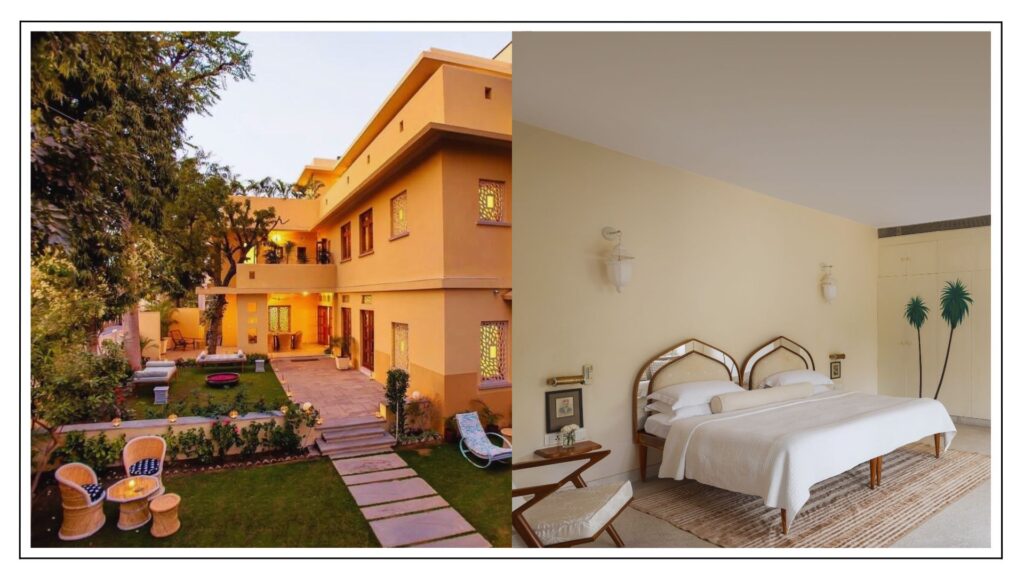
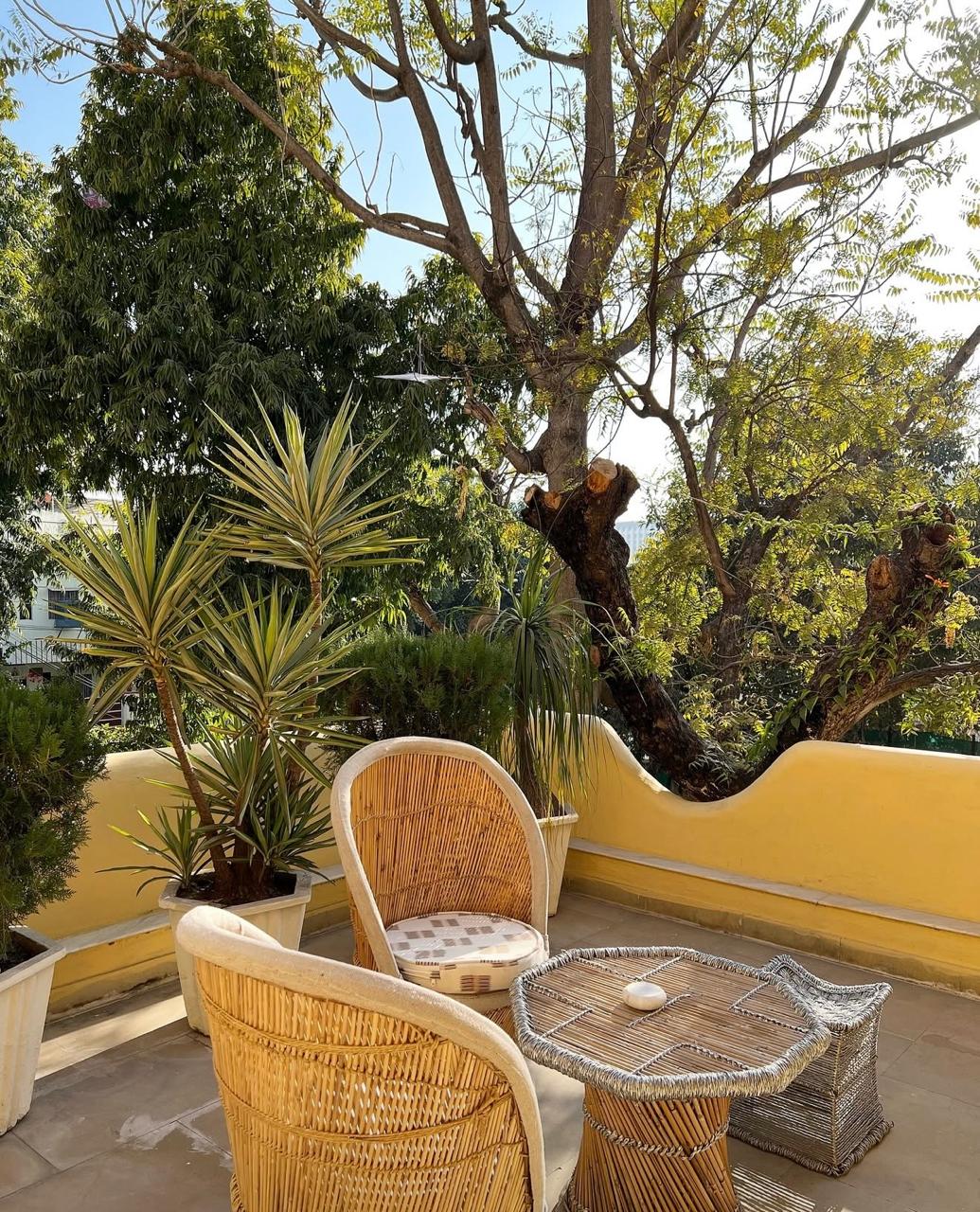
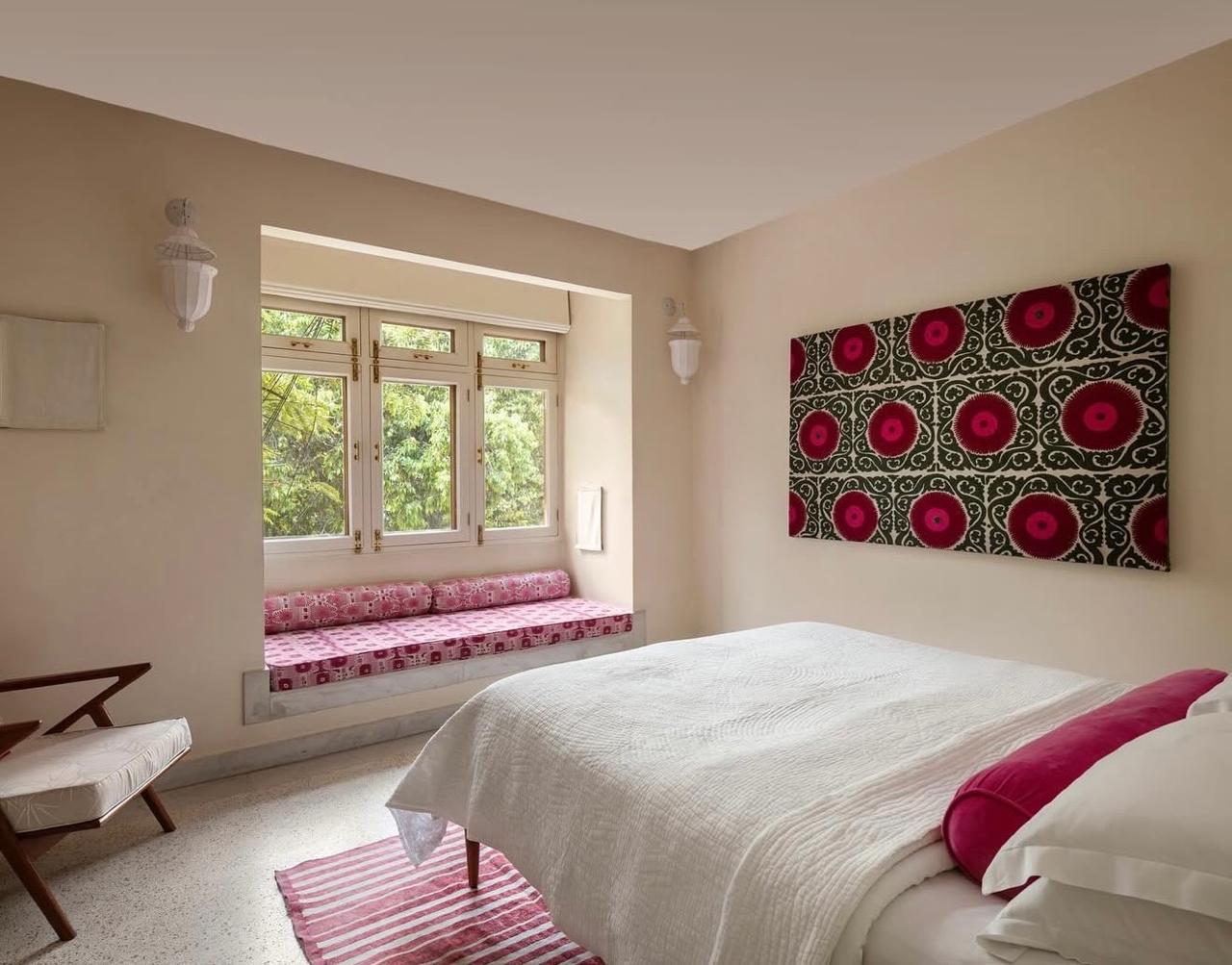
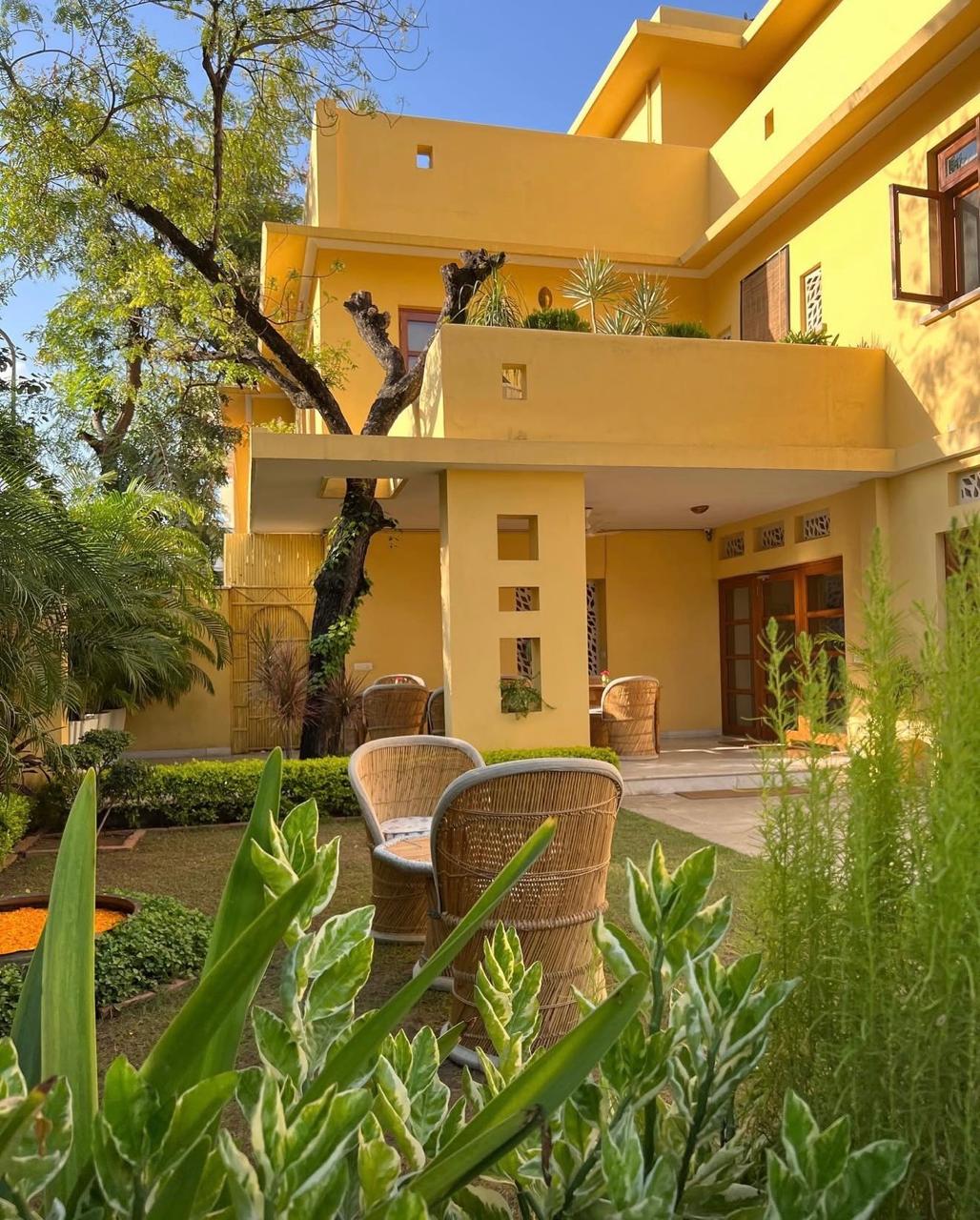
Set within Jaipur’s subtly elegant Civil Lines neighbourhood, 28 Kothi in India’s pink city is an intimate, avant-garde boutique stay that reintroduces luxury through modesty instead of exuberance. Spread across two levels with five meticulously composed rooms, the property leans into a lived-in, residential warmth. From sun-dappled terraces, a small green courtyard, a calm reading corner to a kitchen rooted in seasonal, mostly vegetarian cooking; everything here feels deeply personal rather than performative. The aesthetic blends mid-century sensibilities with contemporary Rajasthani accents, local art, and authentic materials; making the space feel curated but never fabricated. More than a place to sleep, the property has built a reputation as a sanctuary for writers, designers, slow travellers, and repeat guests who value privacy, intention, and a sense of belonging; marking it as one of Jaipur’s most discerning boutique addresses without ever needing to announce itself loudly. If the place could promise such composure with a sun-kissed backdrop, then you can only imagine what a dream it would be to have a leisure staycation here, even during monsoon – a rain-drenched palette housed amidst lush greenery!

Boutique Hotels In India
Boutique Hotels In Jaipur India

Born from the vision of Jaipur’s legendary jeweller Munnu Kasliwal and designed by French architect Georges Floret, 28 Kothi was never meant to be just another boutique stay. It was rather imagined as this thoughtfully crafted roof under which distinctive personalities, intentions, and professions; could feel a sense of belonging. A space where ideas breathe, conversations linger, and creativity feels at home. Marking 10 years of 28 Kothi, today, the legacy continues under the stewardship of his son Siddharth Kasliwal, a ninth-generation jeweller of Gem Palace, alongside hotelier Abhishek Honawar, founder of the Honar Group, carrying the spirit forward with contemporary intent. The interiors, shaped by Jaipur-based Lebanese designer Nur Kaoukji of Ecru, strike a rare balance between quiet luxury and soulful design. Each room – identified by  a gemstone, carries its own identity, layered with hand-painted murals, bespoke furnishings crafted by local artisans, and textures that feel tactile rather than ornamental.

All in all, it is this understated approach that earned the property recognition from global tastemakers, with features and mentions across respected platforms such as the MICHELIN Guide, Architectural Digest, and curated boutique-stay collections like i-escape. Honoured at the Conde Nast Traveller Reader’s Choice Awards 2025 followed by several other reputable acknowledgements, nothing extravagantly alters the property’s character; it rather validates the philosophy it was always built on.

Editor’s Note: Even the name 28 Kothi carries a scent of memory. Raw, rustic, classic, grounded. The kind of intimacy that doesn’t perform, it lingers. Terrazzo floors, trees leaning into light-soaked verandahs, open courtyards, khatiyas, mustard-hued walls, and Ambassadors at the entrance: it feels as though the property gently paused an era, holding space for a time that once moved slower. For those who’ve known the language of Indian government quarters, especially the quiet geometry of central government residences, the familiarity runs deep. But this isn’t nostalgia alone; it’s character. A restrained regality, never obvious, never loud. If anything, the property feels like a quiet suburban address anchored in a promising philosophy. 28 Kothi marked 10 years of its existence and yet it doesn’t quiet go out of its way to announce itself on the map; instead, it subtly draws you in, laying down flowers of the brightest colours with the richest fragrances. And, once you’re in, you’d smell the connection too.

Insider Notes:

  • Number of Rooms: 5
  • Type of Rooms:
  1. Peridot: Standard single occupancy room, also addressed as the solo traveller’s occupancy with access to the communal terrace.
  2. Topaz: Double occupancy room with a private terrace.
  3. Spinel: Double occupancy room with a window reading nook overlooking a lush green view.
  4. Moonstone: Double occupancy master suite (largest suite with added space for an extra bed)
  5. Sapphire: Double occupancy master suite with an additional seating area and a private terrace
  • Suites can accommodate triple occupancy with an extra bed at an additional charge of INR 3500+18%GST per night.  
  • Airport/railway station transfers can be arranged on request and are chargeable. From airport by Sedan: INR 1,450 + taxes. From railway station by Sedan: INR 1,250 + taxes.
  • Not all rooms have a view, but the interiors are well-taken care of.
  • Complimentary breakfast is served on the patio between 8:00 am – 10:00 pm; however, early breakfast is also available on request.
  • Meals unfold where guests feel most at ease. Dinner by the bonfire in winter, on the terrace in daylight, in the courtyard, or a candlelight spread in the garden; turning dining into an extension of the home-away-from-home ethos.
  • Straight from the farm to the table, their in-house cafe runs from 9:00 am – 9:00 pm which also hosts non-residential guests.
  • Guests can relish a traditional Rajasthani feast served fresh for lunch or dinner with just a 4-hour heads-up.
    (Advance order required )
  • Guests may recharge at the Kothi Spa, unwind with a book in their library, or join a rejuvenating private yoga session.
  • Check-in time: 3:00 pm
  • Check-out time: 11:00 am

Location: House No. 28, Shivaji Nagar, Civil Lines, Jaipur, Rajasthan – 302006, India

Contact: +91 9829009973 / 9829009973 / reservation@28kothi.com

How to reach 28 Kothi

  • Distance from the airport: The Jaipur International Airport (JAI) is about 11 km from 28 Kothi. By car, it usually takes around 25-30 minutes off-peak, though this can extend slightly during peak hours.
  • Distance from the railway station: The closest major railway station is the Jaipur Junction Railway Station, roughly 3-4 km away from 28 Kothi. By car, it usually takes around 10-15 minutes, depending on traffic flows.

Image Courtesy: 28 Kothi Jaipur/Instagram | 28kothi.com

(All information has been provided and verified through direct communication with the property and reliable sources)

All details shared here reflect the most current information available at the time of publication. We try to update our features often, but you should check the property’s official website or contact them for the latest services, policies, facilities, and updates.

Amrapali - House of Grace, Goa
Amrapali - House of Grace

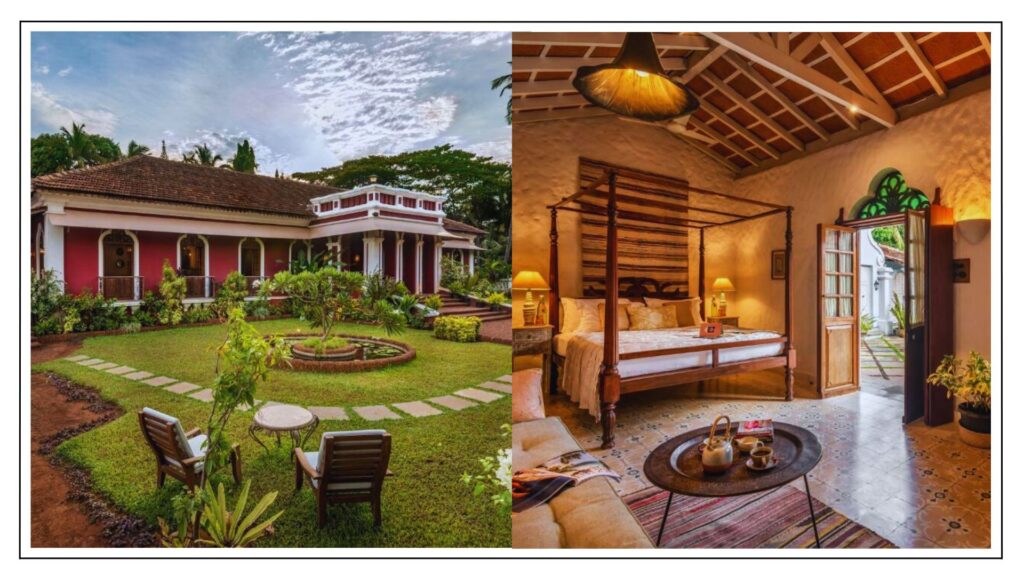
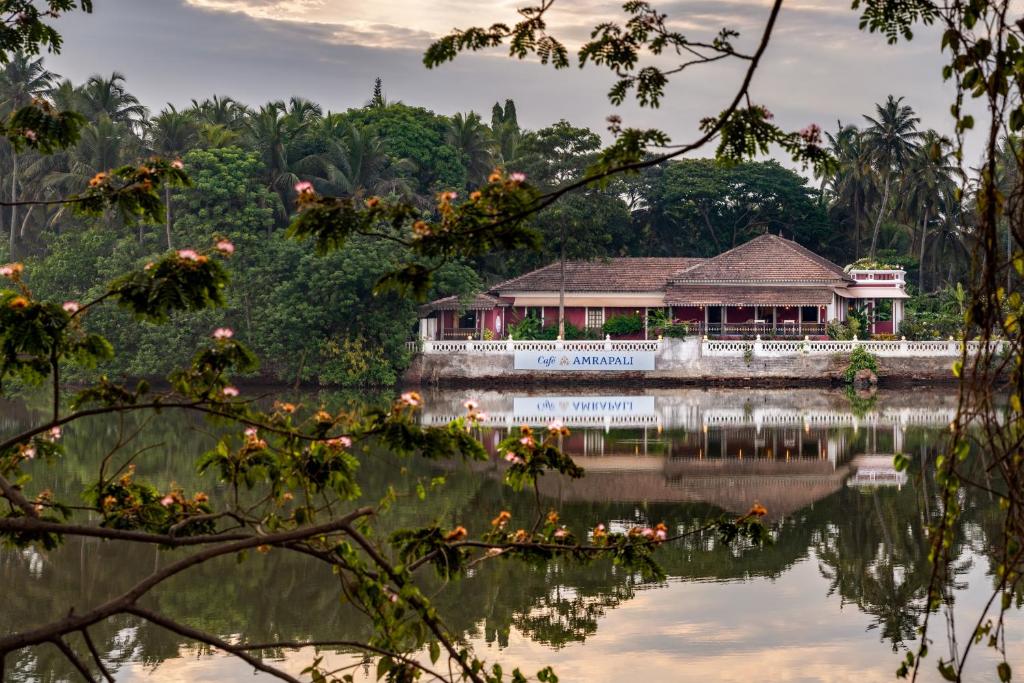
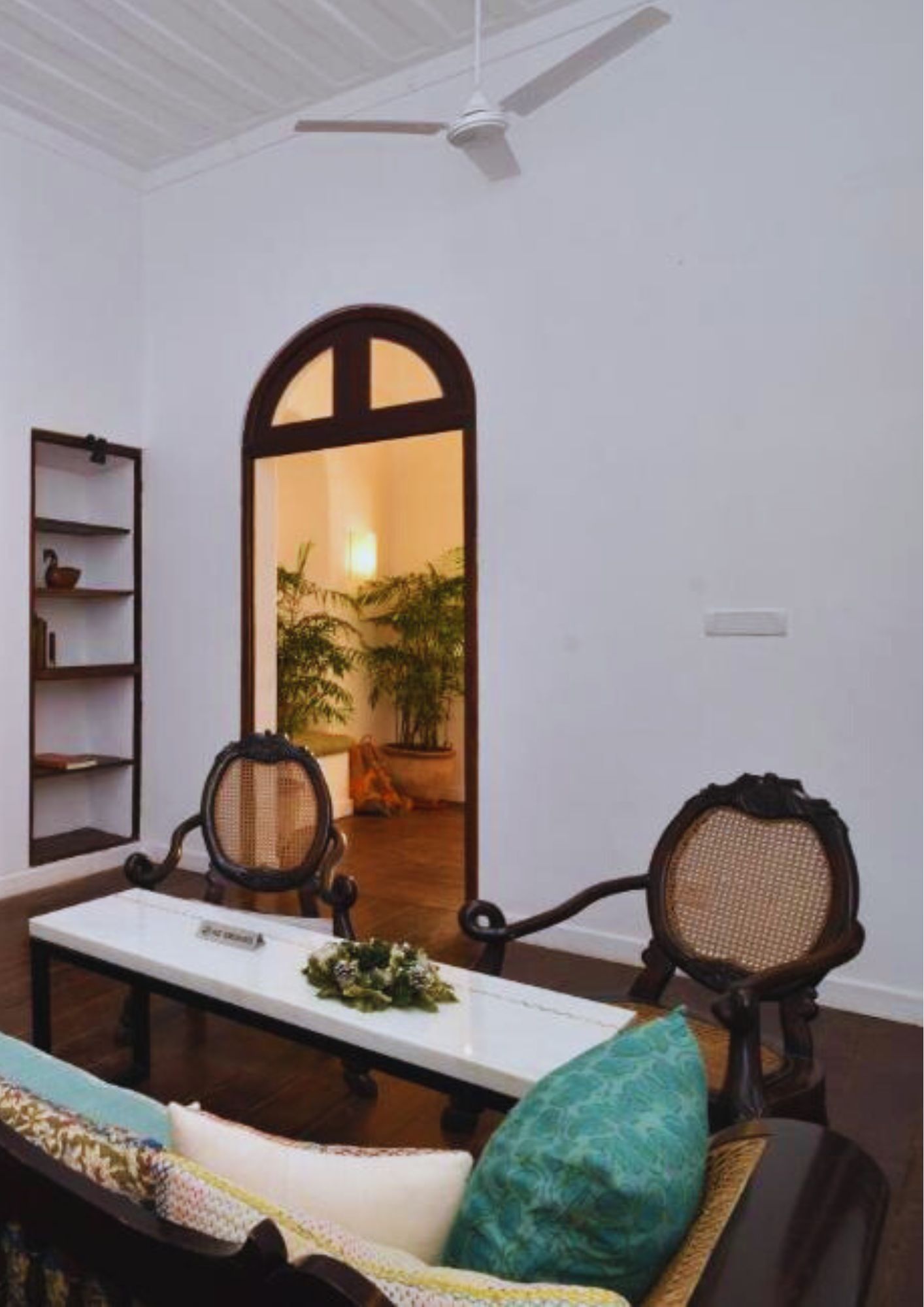
Placed within a restored Portuguese home on the serene banks of the Zuari River, is a century-old legacy delicately reimagined as a heritage-rooted luxury boutique retreat, addressed as – Amrapali-House of Grace. Originally framed in 1919 by Casimiro Honorato de Siqueira Nazare for his wife Maria Gracias and their five children, the residence – then known as Morgado, implying “dear”; was once a deeply personal family sanctuary, filled with years of shared life, memory, and belonging. Over time, it evolved into far more than an urban hideout; instead, the property became a living narrative of heritage, craftsmanship, care, and conscious living. Well, what made us quote that? Amrapali’s conscious restoration which began in 2014, was guided by a clear by a vision: to preserve the soul of the original structure while simultaneously reshaping it into a space that nurtures stillness, joy, and inner balance. Accordingly, every architectural and design decision honours the home’s heritage; for instance, local artisans were commissioned to handcraft bespoke details throughout the property, ensuring authenticity, craftsmanship, and cultural continuity remain at its core. Standing today, the result is a space where tradition and individuality coexist seamlessly, creating a refined yet deeply human experience of hospitality. Beyond this, the property is also home to five loving rescue dogs which the guests are warmly welcomed to spend time with; thereby, making the experience especially meaningful for animal lovers seeking connection beyond conventional luxury.

Amrapali - House of Grace

Surrounded by lush tropical gardens, even its kitchen philosophy mirrors this ethos: slow-cooked, a-la-minute meals prepared with a focus on freshness, nourishment, and vitality, transforming dining into a mindful ritual. At its creative core, the place is shaped by the creative minds of Simran Kaur – the founder, architecturally sculpted by Alex Von Moltke – the architect, and strategically supported by Abbas Sheikh – the foundation; a collaboration rooted in grace, structure, and sensibility. This philosophy of personalised, conscious hospitality has earned the property both critical and guest recognition, including the Best Luxury Boutique Hotel 2023 – Goa at the Rewards & Retreats Awards and the Booking.com Traveller Review Award 2023 with an exceptional 9.5 rating. Moreover, its presence in the Local Attractions Hotel Directory further positions it as both a refined hideaway, but also a celebrated destination.

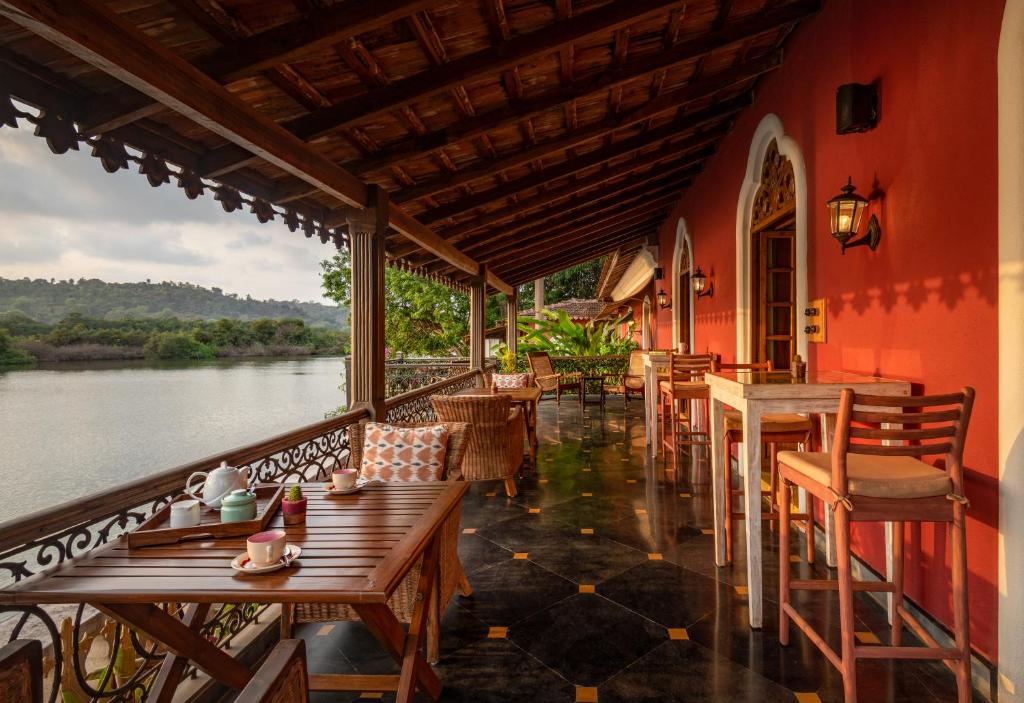
Editor’s Note: Some spaces don’t announce themselves, now do they? They simply unravel. Even though I made my way into the property digitally, one glance at its story and I could say I was already someplace else; a foundation shaped by history, colour, culture, and a rare respect for time itself. Amrapali’s reclamation doesn’t merely preserve architecture. It reinstates soul through a purpose, a determined intention, the blend of strong cultures, sheer excellence, and the kind of craftsmanship that conspicuously speaks for generations to behold. From slow coffees on the verandah by the water, to birdsong beneath elephant palms, to art-led corners, and sunlit poolside stillness; this isn’t a house. It’s a breathing home! One that holds every temperament, every rhythm, every genre of being. Just choose a corner and you might not even need a phone and a watch. Even from miles away, with a tab open surfing through one of the restrooms in the property, seeing each one’s meticulous detailing and execution, the dreamy sketches and far-reaching brainstorming that must’ve shaped it all – I’d say even a workation would feel like the wrong reason to be here. his is where tired selves come not to work, but to be restored.

Insider Notes:

  • Number of Rooms: 5
  • Type of Rooms: The property offers distinctively styled rooms, each with views of the garden, pool, or Zuari river. According to its official details, the current listed room categories are:
  1. Creation – Grand master bedroom with a garden view.
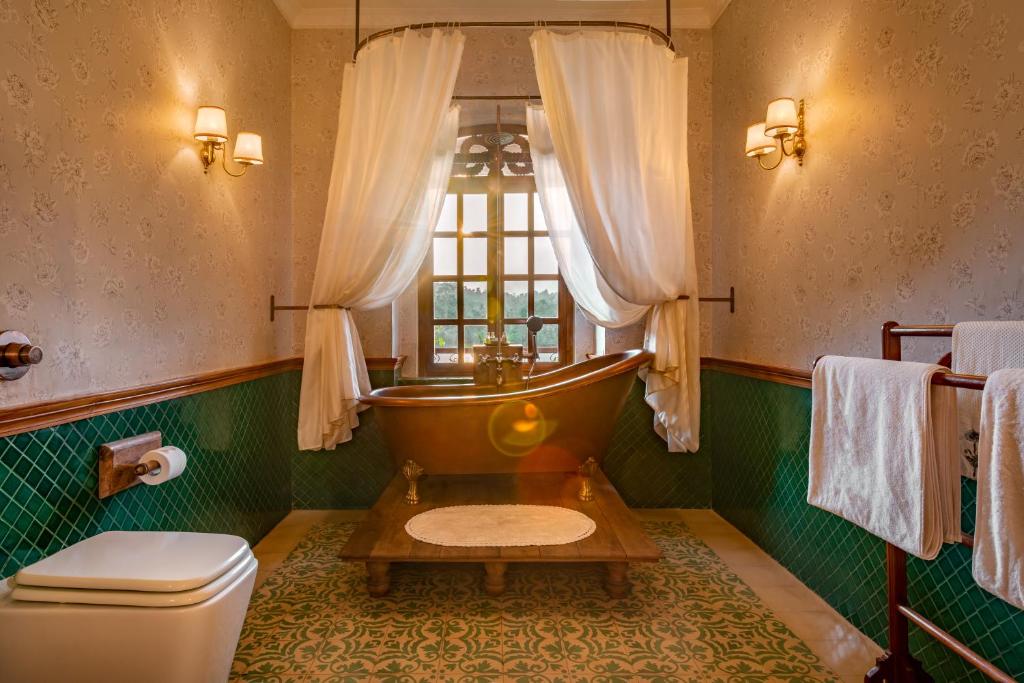
  2. Peace – A room with a free-standing copper bathtub and private lake-facing garden.
  3. Harmony – Spacious room with lounging area and garden access.
  4. Compassion – Glass house-style room with 180-degree pool view from room and bathroom.
  5. Devotion – Pool-facing room with smart TV, desk, and lounging space.
  6. Moroccan Pool House – A standalone, Moroccan-inspired separate unit.

(Note: Some listings refer to 4 core room categories but the official site shows the Moroccan Pool House as an additional unique space, bringing the count effectively to 5–6 guest-accessible stays)

  • Airport/railway station transfers can be arranged on request and are chargeable, depending on the time.
  • Guests can request private dining setups by the river, in the garden, or around the central courtyard.
  • The in-house kitchen prepares fresh, made-to-order meals using locally sourced ingredients; serving breakfast, Goan and European dishes, along with bespoke menus tailored to your taste.
  • The property arranges massages and wellness treatments with trained therapists. These need prior booking and can be set up either indoors or in select outdoor spaces.
  • Yoga classes with certified instructors can be arranged upon request, usually held in quiet open-air corners of the property.
  • Meditation sessions or alternative therapies may be arranged with local practitioners, based on availability and guest interest.
  • The property arranges massages and wellness treatments with trained therapists. These need prior booking and can be set up either indoors or in select outdoor spaces.
  • The team can assist with planning day trips across Old Goa, Panjim’s Latin Quarter, temples, churches, and nearby villages. They help arrange transport, drivers, and curated routes.
  • Visits to Chorao Island, Divar Island, and surrounding riverbanks can be organised. These include ferry timings, transport assistance, and recommended stopovers.
  • Siridao Beach and Bambolim Beach are short drives away. The staff can help schedule a round-trip visit, suggest the best timings, and arrange a car if needed.

Location: 1105 Morgado Vaddo, Siridao Bridge, Goa Velha, Tiswadi Taluka, Goa 403108

Contact: +91 9322753726 / stay@amrapali-houseofgrace.com

How to reach Amrapali – House of Grace

  • Distance from the airport: Goa Dabolim International Airport (GOI) is the nearest airport to Amrapali, approximately 20 km away. It may take up to 27-35 minutes by car (depending on the traffic conditions). Manohar International Airport (Mopa, GOX) is approximately 40 km away, so it may take you up to 1 hour to reach the property.
  • Distance from the railway station: Karmapali railway station is the closest railway hub, approximately 11-12 km away. However, not all express trains halt there; so it would be advisable to check your train schedule. It may take up to 20-25 minutes to reach by car (depending on the traffic conditions). In terms of close proximity, there is also Vasco Da Gama railway station, approximately 15-20 km away. It may take up to 30 minutes to reach by car (depending on the traffic conditions). Madgaon Junction, approximately 35-40 km away, has more frequent and major train connections to/from most Indian cities. It may take up to 40-60 minutes to reach the property by car (depending on traffic conditions).
  • By road: If you’re planning a road journey to Goa, the most scenic and seamless routes come in from Maharashtra and Karnataka. Popular road links include Mumbai, Pune, Kolhapur, Belagavi, and Karwar. Once in Goa, follow the Panaji – Bambolim – Goa Velha belt for a smooth, direct drive to the property.

Image Courtesy: booking.com

(All information has been provided and verified through direct communication with the property and reliable sources)

All details shared here reflect the most current information available at the time of publication. We try to update our features often, but you should check the property’s official website or contact them for the latest services, policies, facilities, and updates.

Calcutta Bungalow, Kolkata

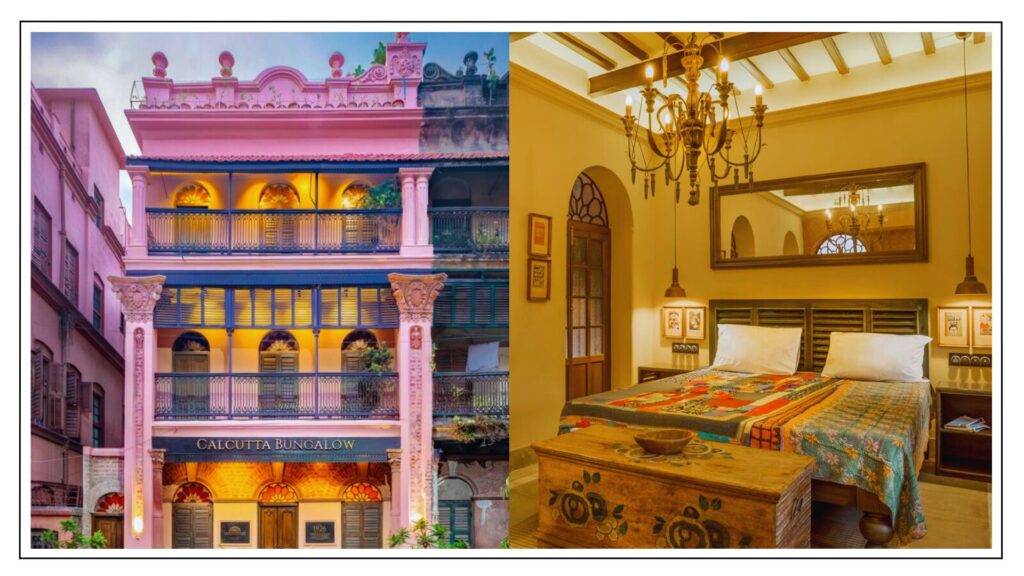
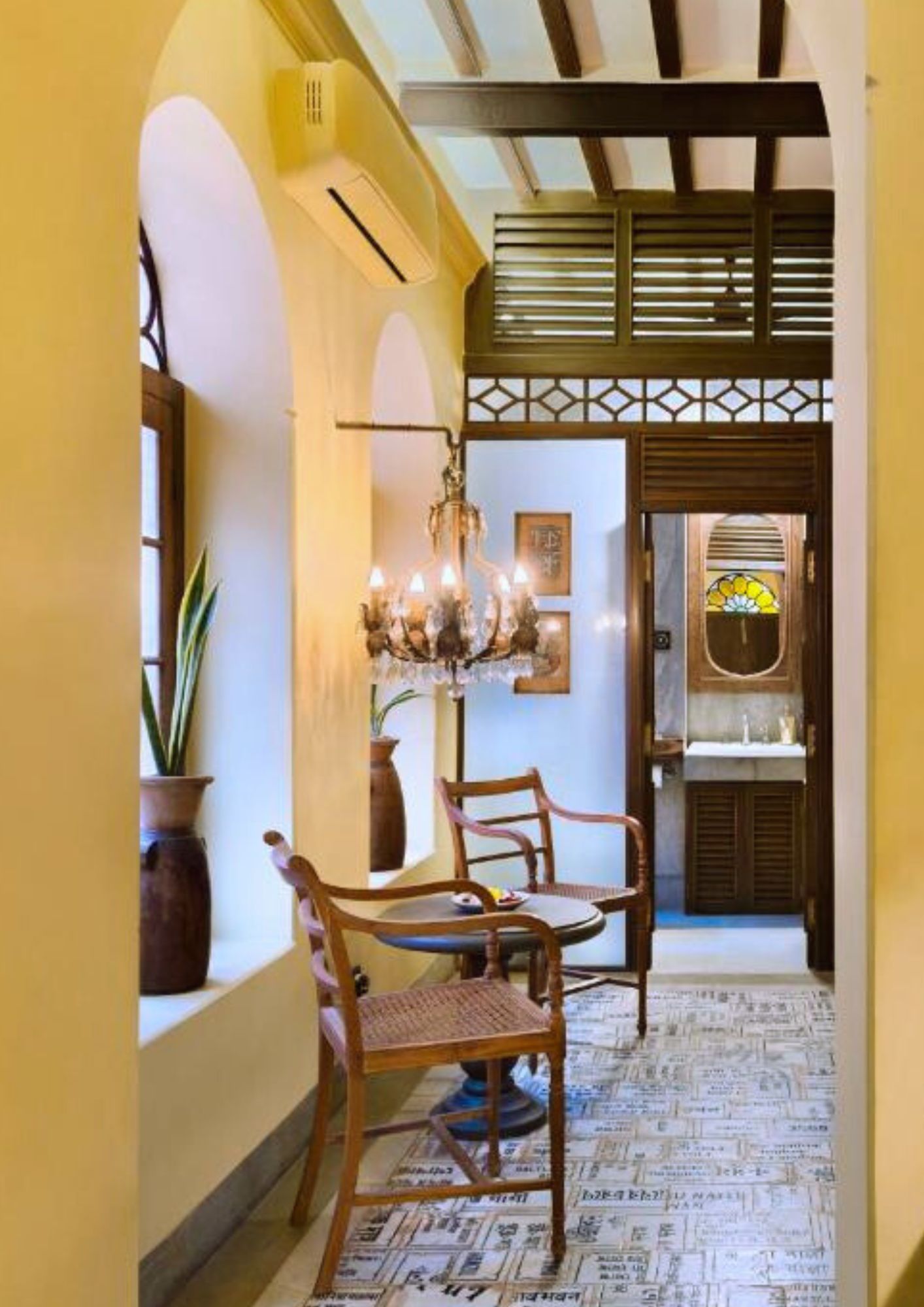
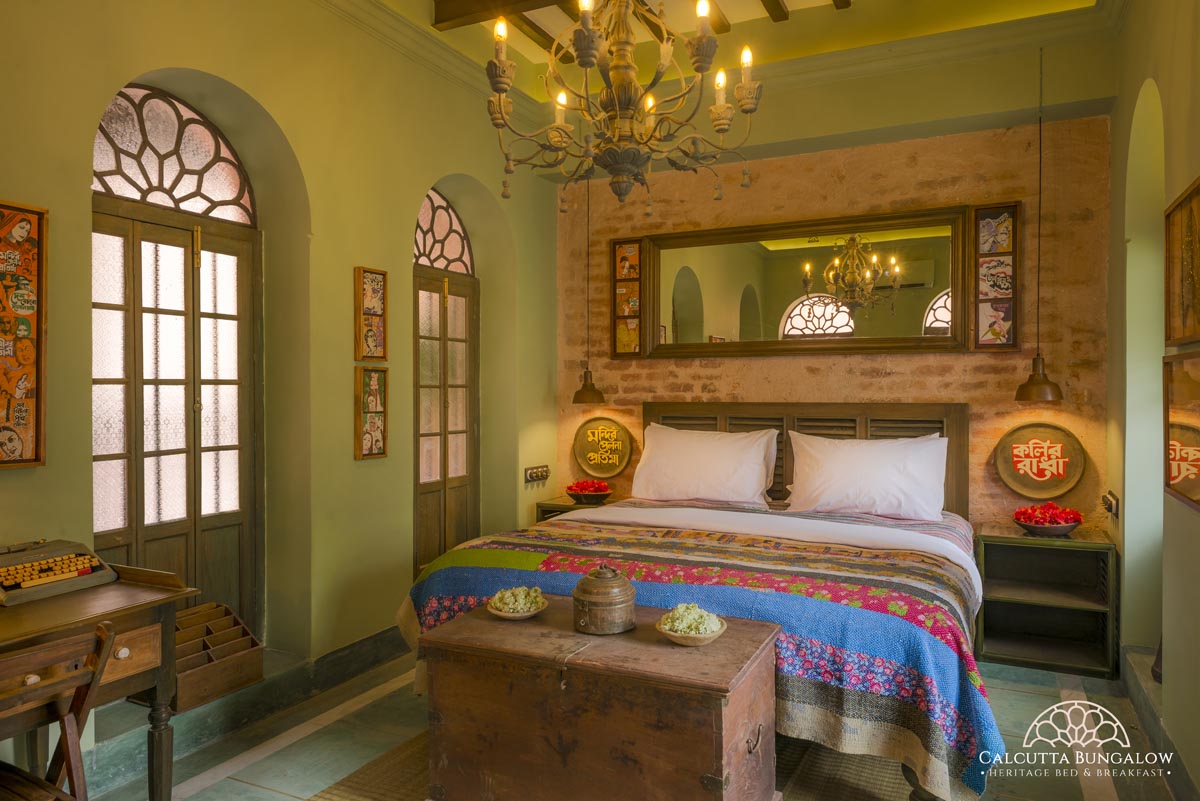
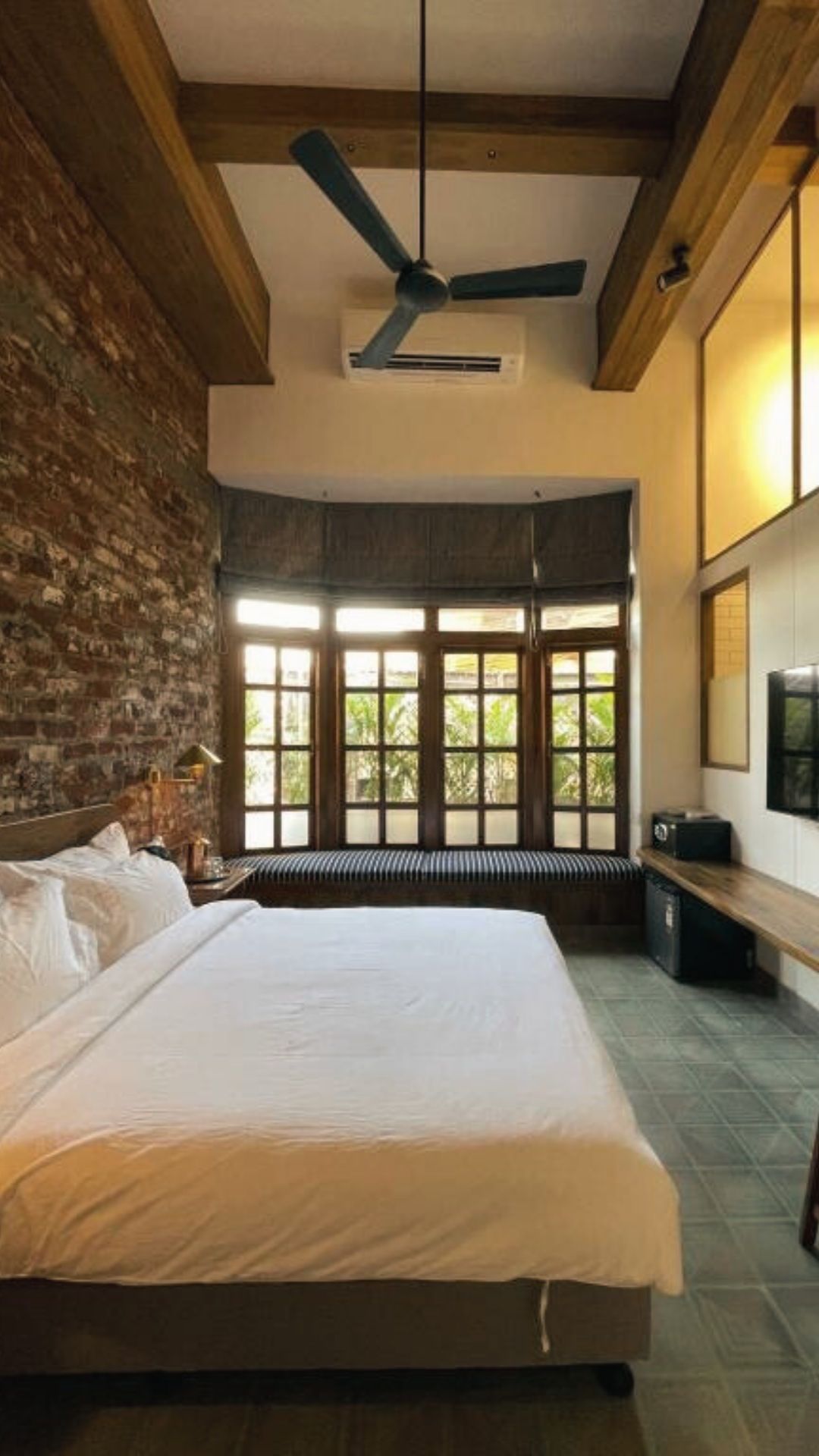
To a passerby unfamiliar with North Kolkata’s old quarters, Calcutta Bungalow might seem like just another nostalgic structure tucked between the neighbourhood’s maze-like lanes. But the moment you step closer, you realise this isn’t merely a stay, it’s a story. Housed in a restored heritage townhouse built in 1926, the bungalow carries the architectural language of the city’s classical era. While much of the world was leaning into Art Deco at the time, this home stayed rooted in a classical Indian style, giving it a quiet distinction within Kolkata’s architectural story. And yet, what truly defines the space isn’t its age or form; it’s the care with which its past has been held and reshaped. Within the walls, the atmosphere mirrors the understated grace of an early 20th-century upper-middle-class Calcutta home. Designed by the celebrated local designer Swarup Dutta, the structure doesn’t look like demanding a theatrical attention. Instead, it chooses memory, familiarity, and warmth. Although some furnishings have journeyed in from Jaipur, Jodhpur, and Delhi, the heart of the bungalow belongs to the city itself; where the brilliance of local artisans and historic markets merged under the sun.

Calcutta Bungalow
Calcutta Bungalow, Kolkata
Boutique Hotels In Kolkata

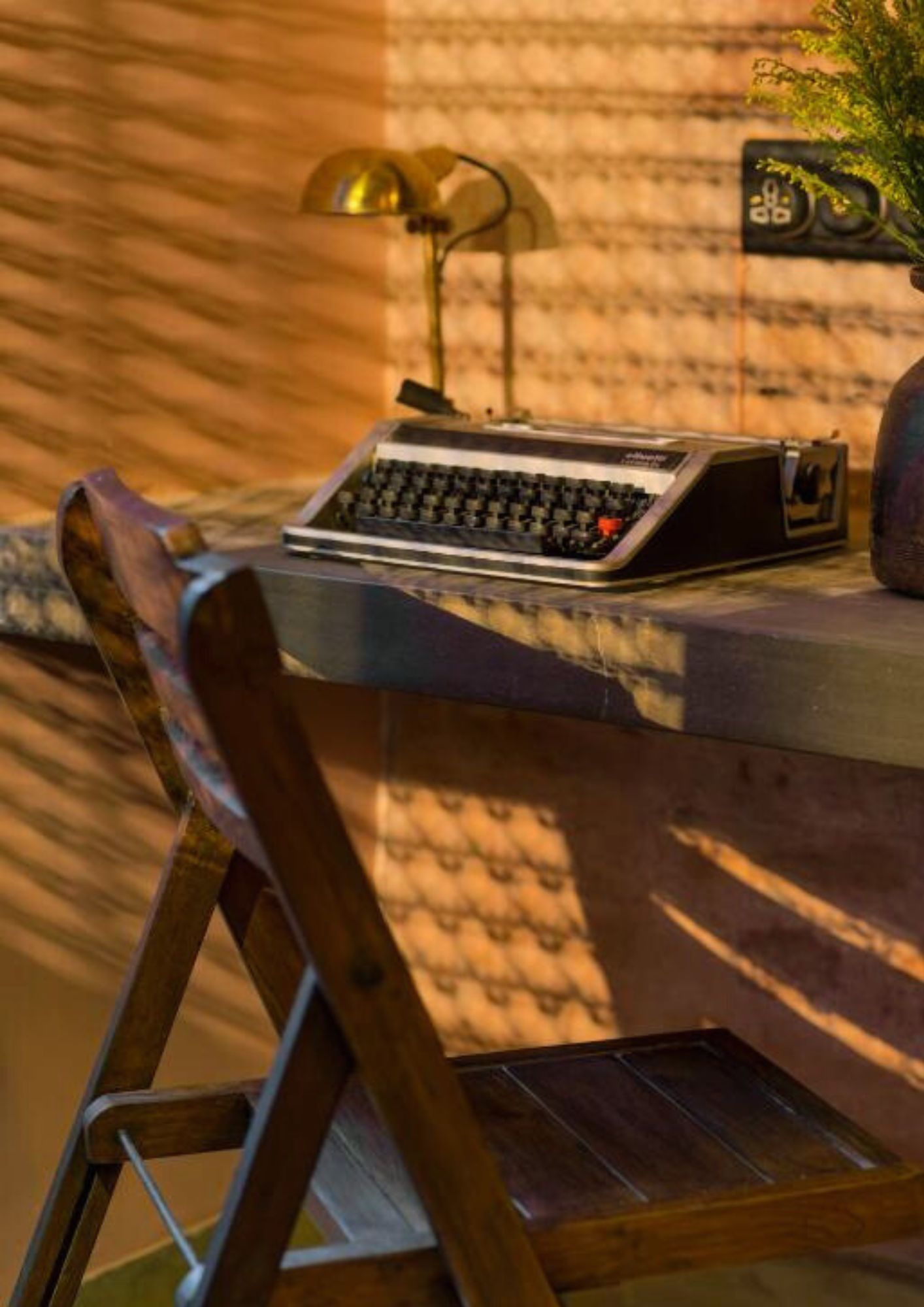
Much of what you see here has lived before; the wood, iron, louvred shutters, and vintage elements retrieved from old homes across the city, thoughtfully reimagined into new forms. Even the old khorkhoris, now resting quietly as courtyard features and bedside tables, carry whispers of other homes, other lives. Nothing here feels staged. Everything feels lived-in, layered, and gently personal. Calcutta Bungalow isn’t your typical heritage project, but more of a settlement with regards to its roots. Here, guests aren’t signing up for booking rooms, they are in for booking an experience. For the portable functioning typewriters placed with this human-centred hope of reigniting the art of communication in people; to make them pause, reflect, maybe think, write, and perhaps even send a letter someplace-beautifully validates their narrative. Most of the walls there show unmasked brick masonry, which interestingly, are concealed with stories of rich craft. The plaster was crafted using an age-old technique brought in by skilled Raj Mistries from Murshidabad, blending jaggery, wood apple pulp, fenugreek seeds, and betel nut along with lime. The mixture was cured patiently for weeks to achieve the ideal texture and strength; a process almost forgotten in modern construction. These seemingly small details aren’t embellishments, they are intentional choices that honour a city’s legacy, its artisans, and their one-of-a-kind touch. And, that is precisely what makes this property one of the most distinctive boutique hotels in India.

Editor’s Note: This heritage townhouse carries the pulse of a city that once breathed in a slower, richer rhythm. Spend even a few minutes exploring the residence’s nook and corner and you’ll notice how thoughtfully the team behind it has documented the journey. From tracing architectural inspirations to honouring the subtle details that define old Calcutta homes. As someone who often finds stories hidden in structures, the more I read, the more I felt an instinctive pull toward its interiors, almost wishing to trade imagination for experience and spend a day inside those rooms instead of only picturing them. Calcutta Bungalow is a living archive of a glorious era, preserved with care, curiosity, and an unwavering respect for Calcutta’s past.

Insider Notes:

  • Number of Rooms: 6
  • Type of Rooms: Each room is named after a community or neighborhood that represents the cultural fabric of old North Calcutta:
  1. Sahibpara – Double deluxe room with a bathtub in the restroom.
  2. Jatrapara – Suite with an adjoining private sit-out.
  3. Boipara – Suite with an adjoining private sit-out.
  4. Mochipara – Twin room (adjoined extra-large single beds).
  5. Patuapara – A relatively small room with an extra-large double bed.
  6. Darzipara – Twin room (two separate large single beds).


  • All ensuite restrooms offer premium Kama Ayurveda bath amenities, consciously curated for guest comfort.
  • All rooms feature smart TVs with access to Netflix & YouTube.
  • An in-house souvenir boutique offering custom-designed products, allowing guests to take home a thoughtfully crafted piece of their stay.
  • The team behind the property is connected with Calcutta Walks, a well-regarded local initiative focused on immersive and community-centered storytelling experiences around the city.

Location: 5 Radha Kanta Jeu Street, Near Deshbandhu Park in Shyambazar, Kolkata –  700004

Contact: +91 98301 84030 / bungalow@calcuttabungalow.com 

How to reach Calcutta Bungalow

  • Distance from the airport: Approximately 11-12 km away. It may take up to 30-40 minutes by car (depending on traffic conditions).
  • Distance from the railway station: Approximately 6-7 km away (Howrah railway station). It may take up to 25 minutes to reach by car (depending on traffic conditions).

Image Courtesy: calcuttabungalow.com

(All information has been provided and verified through direct communication with the property and reliable sources)

All details shared here reflect the most current information available at the time of publication. We try to update our features often, but readers are kindly advised to check the property’s official website for the latest services, policies, facilities, and updates.

Abode Bombay, Mumbai

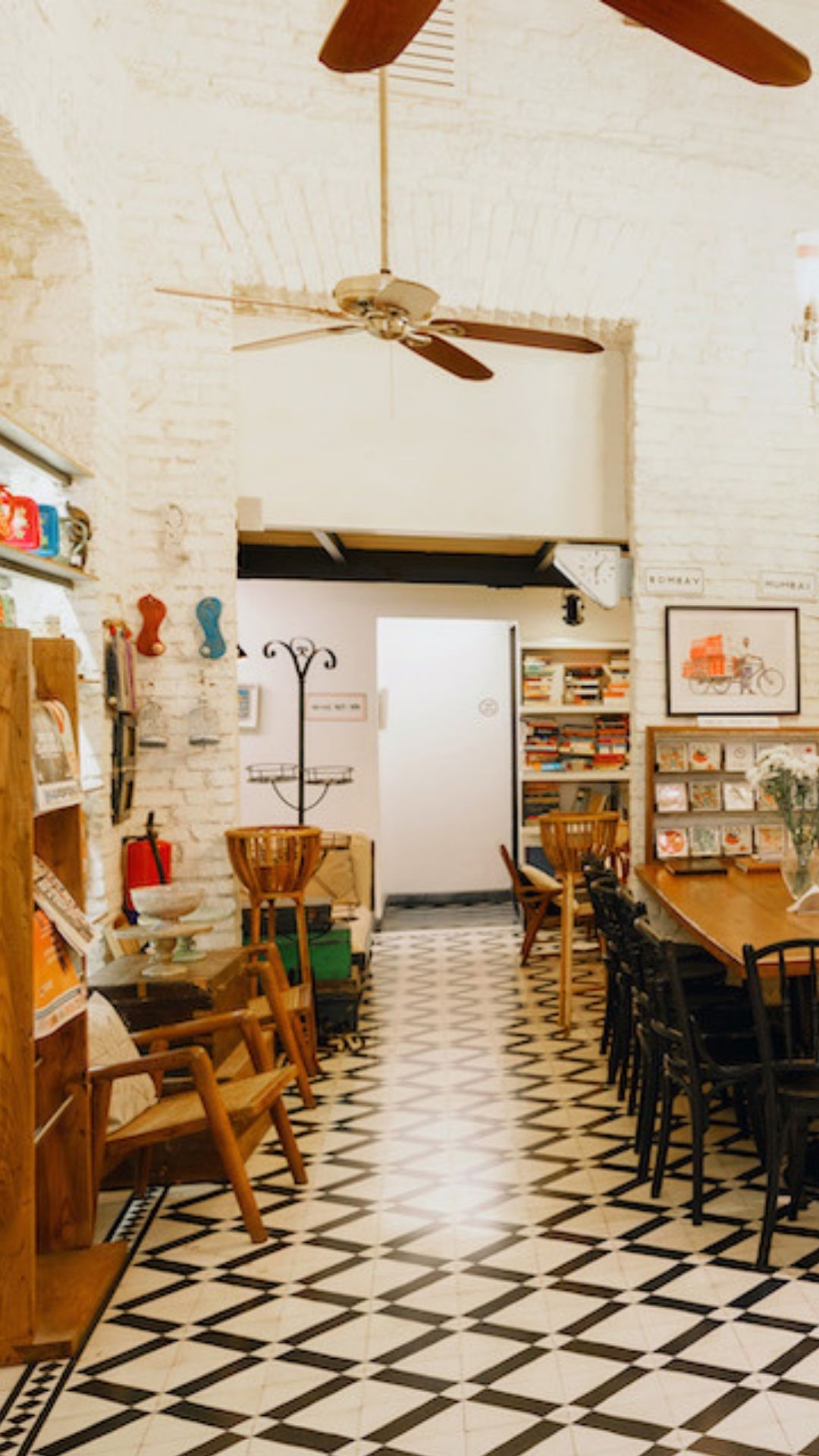
When I first bumped into the website of Abode Bombay, hoping to understand what set it apart, as so many travellers passionately claimed, the writer in me didn’t expect to be swept into a narrative so vivid and intentionally crafted. What began as a casual browse turned into a quiet immersion. The way the property unfolded its story; its philosophy, and its services felt almost like reading a beautifully stitched chapter of a book. I found myself returning to their address for two days straight, digging deeper, drawn in by the creativity and emotional intelligence sewn into every frame and every line. It made me imagine the kind of hospitality awaiting anyone who stepped through its doors, and it felt nothing short of soulful. Tucked away in the cultural labyrinth of Colaba, Abode Bombay occupies a lovingly restored colonial-era residence that once belonged to David Sassoon, a prominent entrepreneur whose legacy shaped much of old Bombay. The building, dating back to 1910, stands today as a boutique hideaway revived in 2013; one that blends the grace of a bygone era with the ease of modern living. Its 25 thoughtfully designed rooms echo the city’s layered past through antique furniture, curated art, handcrafted decor, and those small, expressive details that feel deeply personal. From an original chandelier that echoes 19th-century grandeur to floors sculpted by traditional Mumbai artisans using centuries-old technique of hand-pressing cement tiles – illustrates the dignity of time.

Abode Bombay, Mumbai
mage Credit: abodeboutiquehotels.com
Boutique Hotels In Mumbai

But what truly sets Abode Bombay apart is not just its aesthetic, but it’s the heart behind it. The hotel stands on a foundation of mindful hospitality, supporting local communities, nurturing homegrown talent, and celebrating the cultural quirks that make Mumbai what it is. Beyond Bombay, the Abode family extends its philosophy to Abode Jaipur, Abode Ahangama, and Abode by the Beach; each one carrying the same soul, reframed through the lens of its own destination. And if the digital facade of Abode Bombay is already this compelling, what lies on the other side of the screen is even more enticing. Abode Bombay isn’t just loved by travellers, it’s also celebrated for the quality of its experience. On TripAdvisor, the hotel consistently ranks at the very top of small hotels in Mumbai, earning the coveted 2025 Travelers’ Choice Best of the Best distinction, an accolade given only to properties within the top 1 % of all listings that consistently receive excellent reviews from guests. It’s also rated #1 among small hotels in Mumbai on the site, with thousands of glowing reviews praising its design, service, and atmosphere as standout reasons to return. These recognitions underscore how Abode Bombay’s intimate charm, thoughtful hospitality, and authentic sense of place resonate not just with individual guests but across the global travel community. Keep reading; you’ll want to know exactly why this boutique hotel continues to stir the hearts of those who step in and stay a while.

Editor’s Note: Resting in one of the bohemian lanes of Mumbai, a property like Abode Bombay doesn’t function like a hotel; it communicates like a well-composed chapter. From manifesting a set-up where recruiting and supporting vulnerable communities go hand-in-hand to facilitating guest transportation through a trusted taxi service operate entirely by women – this, is the kind of place where narrative comes before novelty, and meaning comes before aesthetics. What personally stayed with me was the way the story unfolds; not through glitter, but through intelligence, through intricacy. Through a clarity of thought that suggests hospitality isn’t built on trends, but on values. This hotel in Mumbai may not promise you luxurious views per say, but it does serve you with a luxurious stay wherein cosy calls, quiet escape, warm spells, a dedicated work environment – everything synchronises under the same roof; amidst all the rush outside that door. Even from a distance, the depth of curation, the cultural sensitivity, and the creative discipline are unmistakable. In case your travel itinerary ever looks for some of the most character-rich boutique hotels in India, remember to give this property a fair chance to serve you.

Insider Notes:

  • Number of Rooms: 25
  • Type of Rooms: Suites, Superior Luxury, Luxury, Simple, Basic.
  • Airport/railway station transfers can be arranged on request. The property works with an all women-led taxi service for all pick ups and drops.
  • Abode Bombay’s Subko Cafe serves specialty coffee sourced from Asian farms, featuring pour-overs, cold brews, and one of their best highlights is their hand-churned Bono Boutique gourmet ice creams, along with a signature affogato blend.
  • Breakfast service runs till midday with freshly baked breads, homemade yogurt, eggs to order, seasonal fruits and juices, two hot Indian cuisines, South Indian filter coffee, and masala chai.
  • Access to a premium local gym with options for full workouts, pilates, and boxing sessions.
  • Organised group runs with guided routes (2–20 km) across Mumbai
  • Bootcamp sessions at Cooperage Football Stadium (weekdays, evenings; paid sessions)
  • Yoga mats and Swiss balls available, with yoga and meditation sessions on request
  • Curated therapies by independent local therapists, including classic massages and holistic treatments, offered in a dedicated spa room or privately in-room. The programme also supports visually impaired individuals through professional therapist training and employment.
  • Guests can purchase curated products including handwoven scarves, tribal jewellery, art pieces, and India-inspired designs, with global shipping available.
  • Curated city tours available for guests seeking guided cultural and local explorations of Mumbai.

Location: First Floor, Lansdowne House, M.B. Marg (near Regal Cinema), Apollo Bunder, Colaba, Apollo Bandar, Colaba, Mumbai, Maharashtra 400001, India

Contact: +91 8080234066 / enquiries@abodeboutiquehotels.com

How to reach Abode Bombay

  • Distance from the airport: Chhatrapati Shivaji Maharaj International Airport/Mumbai International Airport is well-connected to all national and international destinations, and also relatively closer to the property, approximately 26 km away. It may take up to 30 to even 90 minutes (depending on traffic conditions).
  • Distance from the railway station: Chhatrapati Shivaji Terminus (Victoria Terminus) is approximately 3 km away. It may take up to 13 minutes by car (depending on traffic conditions).

Image Courtesy: abodeboutiquehotels.com

(All information has been provided and verified through direct communication with the property and reliable sources)

All details shared here reflect the most current information available at the time of publication. We try to update our features often, but readers are kindly advised to check the property’s official website or contact them for the latest services, policies, facilities, and updates.

Glenburn Tea Estate, Darjeeling

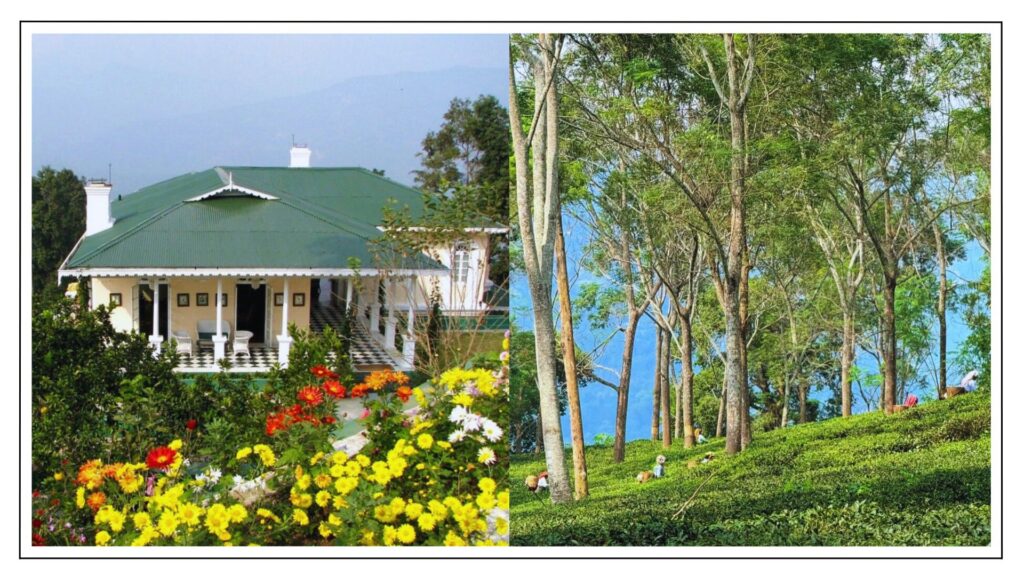
Quaintly perched above the Rungeet river in the eastern Himalayas, enveloped by lush hills and the breathtaking Kanchenjunga range, Glenburn Tea Estate is a heritage plantation retreat with roots dating back to 1859. The estate, originally founded by a Scottish tea company, was later taken over by the Prakash family, a prominent tea-planting dynasty in India often referred to as the “Chaiwala family.” Over time, the estate has continued to thrive under the care of its third and fourth generations, preserving over a century of tea-growing tradition. In a land where tea is not merely grown but revered, Darjeeling stands as one of India’s most celebrated tea regions; and Glenburn has played a defining role in shaping the region’s cultural and agricultural heritage, contributing centuries-worth of knowledge as a well-acclaimed cultivator of the craft. Spread across a working tea estate of forests, rivers, rolling hills, and tea-picker villages, Glenburn thus offers an immersive tea-country experience inspired by global vineyard tourism traditions. The property draws visitors from across the world with its finest variations brewed in a cup, served in a plush, intimate setting that opens out to sweeping panoramic views; where every sip carries the story of the land, the legacy, and the mountains that cradle it.

Glenburn Tea Estate
Glenburn Tea Estate
Glenburn Tea Estate

Imginatively articulated by Delhi’s interior designer Brownyn Latif, the colonial-era Burra Bungalow, restored in 2002, retains the character of a classic planter’s residence, while the Water Lily Bungalow, added in 2008, features scenic views across Darjeeling town and the Kanchenjunga range. Meanwhile, rooms are designed with antique furnishings, Burma teak flooring, high arched skylights, and private balconies overlooking the valley. The guest experience, in turn, is defined by thoughtful detailing; from hand-embroidered linens, garden-fresh fruits and flowers, and private vintage-style bathtubs to climate-comfort amenities and personalised service; making Glenburn a rare blend of heritage, landscape, craftsmanship, and living tea culture. Now when a place finds its way into over ten publications, you know its energy doesn’t need explaining; it’s already being felt.

Editor’s Note: Some places disrupt geography. Glenburn is one of them. Despite being rooted in North Bengal, it carries the quiet illusion of a Swiss valley; like a mountain cottage preserved by an artist’s hand rather than a tea estate shaped by industry. Every time I return to its image, I forget where it is on the map and remember only how it feels. The spaces don’t just impress, they awaken memory. The kind that belongs to childhood storybooks and old fables where mountains were mystical, homes were warm, and landscapes felt enchanted rather than grand. When you step further into exploring their rooms, what you don’t expect is an honest and ornate luxurious menu, featuring the kind of options that are competing among themselves. From promising what each room includes to making no unnecessary claims of the extraordinary, the sheer clarity this abode has elaborately communicated every step of the way has particularly demanded my attention. Honestly, staying here briefly would almost feel unjust. Because this is the kind of place that invites lingering. Soft-rimmed teacups in hand, slow tastings, long notes, quiet writing, endless observing, and capturing light from dusk to dawn. Calling Glenburn a retreat for storytellers would be an understatement. For it itself is a volume of timeless tales disguised as a boutique property.

Insider Notes:

  • Number of Rooms: 8
  • Type of Rooms: With a total bed capacity of 22, all 8 suites are categorised as:
  1. The Kanchejunga Suite: Doesn’t come with a direct view of the Kanchenjuga range but misty snow-capped mountsins are still visible due to the gardens, trees and foliage just outside.
  2. The Planters’ Suite: Overlooking the serene Simbong Valley, this suite gazes toward the distant hills of the old royal kingdom of Sikkim, offering a timeless panorama shaped by history and highlands.
  3. The Rose Suite: With garden and hill views unfolding on three sides, the Rose Suite features a private sit-out that connects seamlessly to the main verandah of the house.
  4. The Simbong Butterfly Room: Facing the eastern hills of Sikkim, this room welcomes guests with breathtaking sunrises, a private sit-out, and a personal garden space. Intimate in scale and charm, it comes with a 10% concession due to its smaller size compared to the other suites.
  5. The Cammelia Suite: Opening onto a private balcony, the Camellia Suite offers layered views of Mount Kanchenjunga, the Sikkim hills, and the river valleys below. The estate’s only twin-bedded suite with identical single beds, it can also be converted into a double room for added flexibility.
  6. The Rangeet Suite (Water Lily Bungalow): From the suite, views extend to the snow-capped mountains above and the green tea fields below, sustained by the snow-fed waters of the River Rangeet; bringing together the landscape of peaks, plantations, and river in a single, uninterrupted vista.
  7. The Rung Dung Suite (Water Lily Bungalow): Overlooking far-reaching views of Darjeeling town and the Rung Dung River that divides the two hills, this suite offers uninterrupted views of the Kanchenjunga Mountain Range. It is designed with two verandas, tiered garden spaces, separate living and dining rooms, a recreation-cum-meeting room, and a dedicated massage room.
  8. The Singalila Suite (Water Lily Bungalow): The suite offers views of the entire Singalila range, with Mount Kanchenjunga rising in quiet supremacy. Two verandahs and tiered garden levels create a multi-layered landscape experience.


  • Airport/railway station transfers are free of charge.
  • From stay and dining to immersive estate experiences and guided day visits to Darjeeling and Kalimpong, everything is on the house.
  • Every menu at Glenburn is shaped around individual guest preferences. Much of the produce: fruits, vegetables, herbs, and spices comes straight from the estate’s own gardens, allowing guests to curate meals around what’s fresh, seasonal, and available.
  • The cuisine spans across cultures: local hill recipes, classic Indian dishes, South-East Asian flavours, and European preparations; enhanced by fresh Italian herbs and salad greens grown in the estate’s kitchen garden.
  • Breakfast is served at a time that suits your convenience, anytime between 7:00 am and 11:00 am. Guests can also choose their preferred timing for morning tea in their room, followed by a relaxed sit-down breakfast.
  • Meals are not confined to a table. Picnic-style dining can be arranged at curated locations across the estate; from riverside groves and forest clearings to tea-field sheds and scenic viewpoints. For hikers, simple boxed meals can be prepared, and barbecues may be organised by the river or at select garden terraces.
  • Whether on a forest trail, beside the river, or in the middle of a tea field, refreshments appear when least expected; from fresh lemonade to porcelain-served Darjeeling tea.
  • A curated selection of board games is available for guests who enjoy quiet, shared leisure time.
  • Glenburn maintains a low-tech environment to preserve its sense of calm. While there is no television service, a small film collection is available for shared viewing in the living room, subject to the comfort of other guests.
  • Wi-Fi is available in select areas of the bungalows, though connectivity can be inconsistent due to the estate’s remote location.
  • Guests are invited to engage with the estate’s tea culture – the journey of what’s poured in your cup from field to factory.
  • The Glenburn Lodge and Campsite offers a rustic yet comfortable escape for guests; designed for day visits or overnight stays.
  • The estate’s trained therapists offer full-body massages using Darjeeling Green Tea Oil, with options to follow with a green tea bath soak or steam treatment. Reflexology treatments include fresh mint and chamomile foot soaks, ideal after a day of walking or hiking. Treatments range between ₹1,500–₹2,500, while manicures and pedicures are priced between ₹1,000–₹1,200. The mini spa room at the Water Lily Bungalow offers a calm, candle-lit setting with soft Tibetan chanting, while select therapies can also be enjoyed on verandahs, terraces, and gardens overlooking mountain views and sunsets.
  • Location: Near Singritan, Darjeeling, Kambal Tea Garden, West Bengal – 734213
  • Contact: + 91 98300 70213 / 033  – 22885630 / 22883970/ 22883972 / info@glenburnteaestate.com

How to reach Glenburn Tea Estate

  • Distance from the airport: Bagdogra Airport (IXB) is the nearest airport, approximately 82 km away. It may take up to 3 hours to reach the property by car (depending on traffic/road conditions).
  • Distance from the railway station: The nearest major railway station is New Jalpaiguri Junction, approximately 83 km away. It may take up to 3 hours to reach the property by car (depending on traffic/road conditions).

Image Courtesy: rareindia/Instagram | indiabyflorence/Instagram | glenburnteaestate/Instagram

(All information has been provided and verified through direct communication with the property and reliable sources)

All details shared here reflect the most current information available at the time of publication. We try to update our features often, but readers are kindly advised to check the property’s official website or contact them for the latest services, policies, facilities, and updates.

Haveli Dharampura, Delhi

Planted within the historic lanes of Old Delhi, Haveli Dharampura stands as a living testament to India’s cultural legacy; an architectural jewel honoured with the UNESCO Asia-Pacific Award for Cultural Heritage Conservation. More than a restored residence, it is a masterfully preserved heritage landmark that bridges centuries of history with refined contemporary hospitality. Carefully conserved and sensitively re-established archways, courtyard, corridors carry echoes of the Mughal era; proudly reflecting ancestral craftsmanship alongside. Recognised by global publications including Forbes, Vogue, Conde Nast Traveller, Lonely Planet & India Today, Haveli Dharampura has established itself as one of India’s most distinguished cultural residences. Its fourteen boutique-style rooms blend historic character with contemporary comfort, offering a stay that is both aesthetically rich and experientially indulgent. Think of hospitality, experiences or comfort-every space carries a 200-year legacy, unfolding through layers of detail.

Haveli Dharampura, Delhi

Restoring this 1887 haveli was a six-year undertaking that involved over fifty skilled workmen working around the clock under close, hands-on supervision. The result is a fully revived structure that stands as a strong example of what careful preservation and commitment can achieve. Today, the haveli features detailed wooden ceilings, stone and metal carvings of Hindu goddesses, and original balconies and jharokas that retain their historic character. But what truly adds depth to the experience is understanding the effort behind its transformation. The building had endured years of deterioration and neglect, yet it remained structurally resilient; allowing the team to bring it back to life with accuracy and respect. Every restored element reflects the painstaking work that went into stabilizing, conserving, and enhancing the property. What guests experience now is not just a boutique stay, but a heritage space rebuilt through perseverance, expertise, and a clear vision for preserving the past. Golden Haveli, located just 50 metres away on the same historic lane, serves as an intimate extension of Haveli Dharampura; offering additional boutique accommodation that complements the main haveli’s heritage experience.

Editor’s Note: Havelis, palaces, forts, ancient caves, age-old temples, and diverse architectural marvels have time and again been a subject of fascination for their versatility, depth, and well-documented history. Old Delhi being a cultural hub is prominently dotted with properties that reek of generational legacy. Now, as inquisitive as I was on learning about Haveli Dharampura, the realistically portrayed before and after restoration images made me question the property from all angles. How well are the structures doing? Is the foundation strong enough? And, the more questions arose, the more reliable answers were found. Rebuilding a worn down establishment takes a dozen of hands to work fingers to the bone, and that effort is consistent to date, with their frequent inspections to ensure the property’s demanding presence. In the journey of crafting this haveli into a heritage boutique stay, not everything was obliterated; most of the elements were delicately preserved and given a new life, making every creatively-led space worth exploring for hours.

Insider Notes:

  • Number of Rooms: 14
  • Type of Rooms: Shahjahan Suites, Diwan-E-Khas Rooms, Jharoka Rooms, Jahan Ara Rooms, Mumtaz Mahal Suites, Gandhi Suite. Jahan Ara Rooms, Mumtaz Mahal Suites & Gandhi Suite are a part of Golden Haveli.
  • Airport/railway station transfers can be arranged on request and are chargeable.
  • Pick up from the airport: INR 4,000.
  • Drop-off at the airport: INR 3,000.
  • Pick up from the Railway station: INR 3,000.
  • Drop-off at the Railway Station: INR 3,000.
  • The drop-off point would be the Jama Masjid Police Station.
  • A fixed-menu breakfast is served at Lakhori restaurant.
  • Evening Kathak performances on Friday, Saturday, and Sunday
    (7:00 PM – 10:00 PM | visible across the haveli interiors)
  • Live Hindustani classical music evenings on Wednesday and Thursday
    (7:00 PM – 10:00 PM | paired with dinner reservations)
  • Daily evening kite-flying experience on the rooftop
  • Traditional pigeon flying every morning, a living Old Delhi folk practice
  • Weekend rooftop kite flying with curated high-tea experience
    (Saturday & Sunday | 4:00 PM – 6:30 PM)
  • Guided Old Delhi heritage and spiritual walk
    (9:00 AM – 12:00 PM | 3-hour experience | charges applicable | on request)
  • Curated Old Delhi street food walk through Chandni Chowk
    (4:00 PM – 7:00 PM | 3-hour experience | charges applicable | on request)
  • Heritage and food walks organised on prior request with separate pricing
  • Cultural performances and music experiences subject to in-house schedules and availability
  • Check-in time: 2:00 pm
  • Check-out time: 12:00 pm

Location: 2293, Gali Guliyan, Dharampura, Delhi-6, Chandi Chowk, New Delhi 110006.

Contact: +91 11 4909 1777

How to reach Haveli Dharampura

  • Distance from the Airport: Approximately 23 km (depending on the terminal). It may take up to 25-50 minutes by car (depending on traffic conditions).
  • Distance from the Railway Station: Approximately 1-3 km (depending on old/new junction). It may take up to 10 minutes by car (depending on traffic conditions).

Image Courtesy: havelidharampura.com | booking.com

(All information has been provided and verified through direct communication with the property and reliable sources)

All details shared here reflect the most current information available at the time of publication. We try to update our features often, but readers are kindly advised to check the property’s official website or contact them for the latest services, policies, facilities, and updates.

Mateus Boutique Hotel, Goa

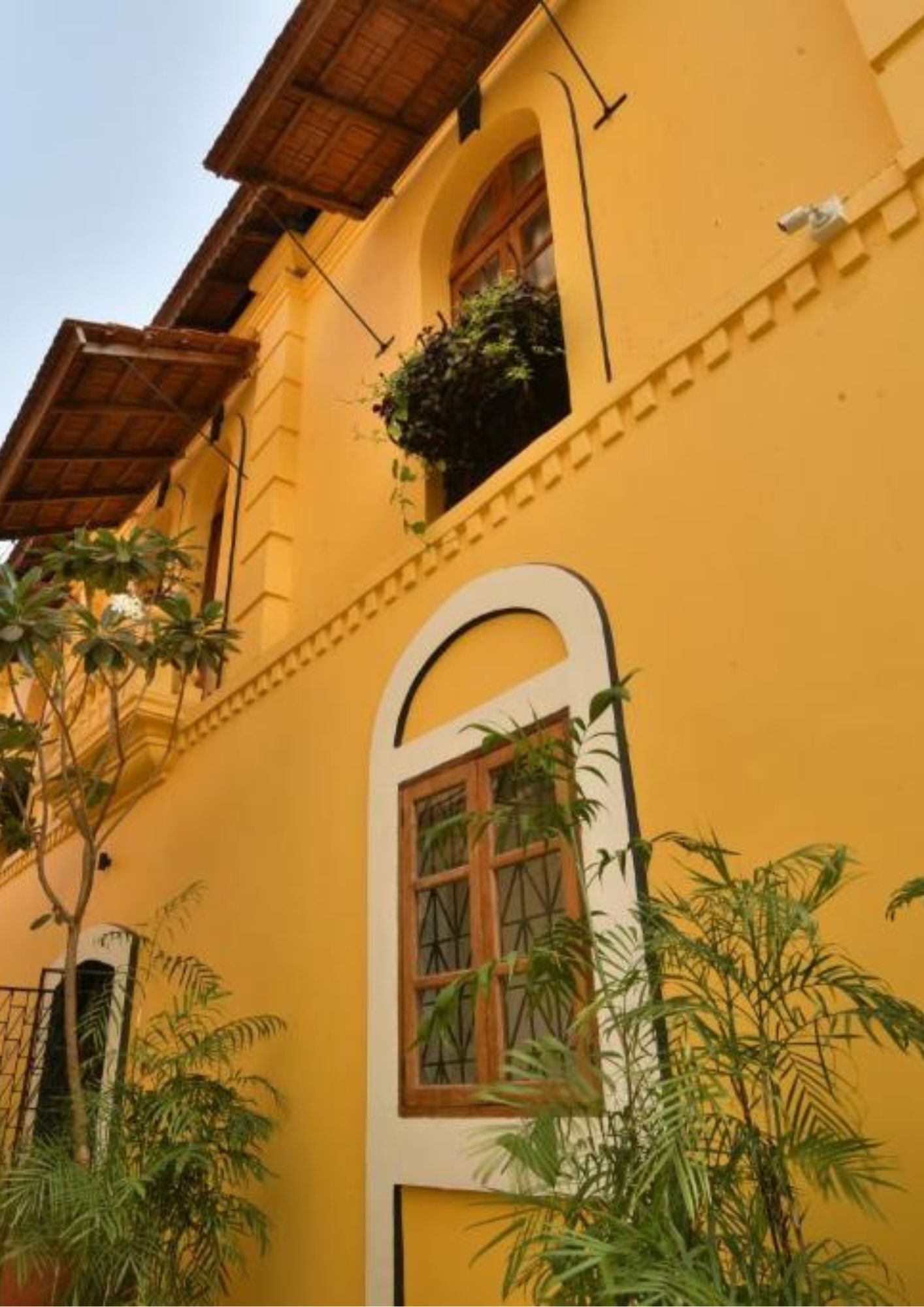
A revived residence framed with history and solitude in the heart of Panjim’s charming Latin Quarter, Mateus Boutique Hotel is where heritage meets soft luxury. Once a stately Portuguese mansion, now intricately restructured by New York-based architect Jonathan Fernandes (the owner’s son), the property exudes Portuguese colonial elegance with a touch of contemporary living. Built in 1879 by affluent colonial merchants, the original structure has been respectfully preserved, transforming a long-abandoned 19th-century old-world mansion into an intimate design-led guesthouse rooted in legacy and lineage. Featured in The New York Times’ “36 Hours in Goa” and honoured with TripAdvisor’s “Best of the Best” Travellers’ Choice Award, this Indo-Portuguese boutique hotel in India’s golden coast is a devotedly revived slice of a bygone era. Named in honour of his Fernandes’ grandfather, Mateus isn’t just another stay to explore in Goa. It is a familial tribute.

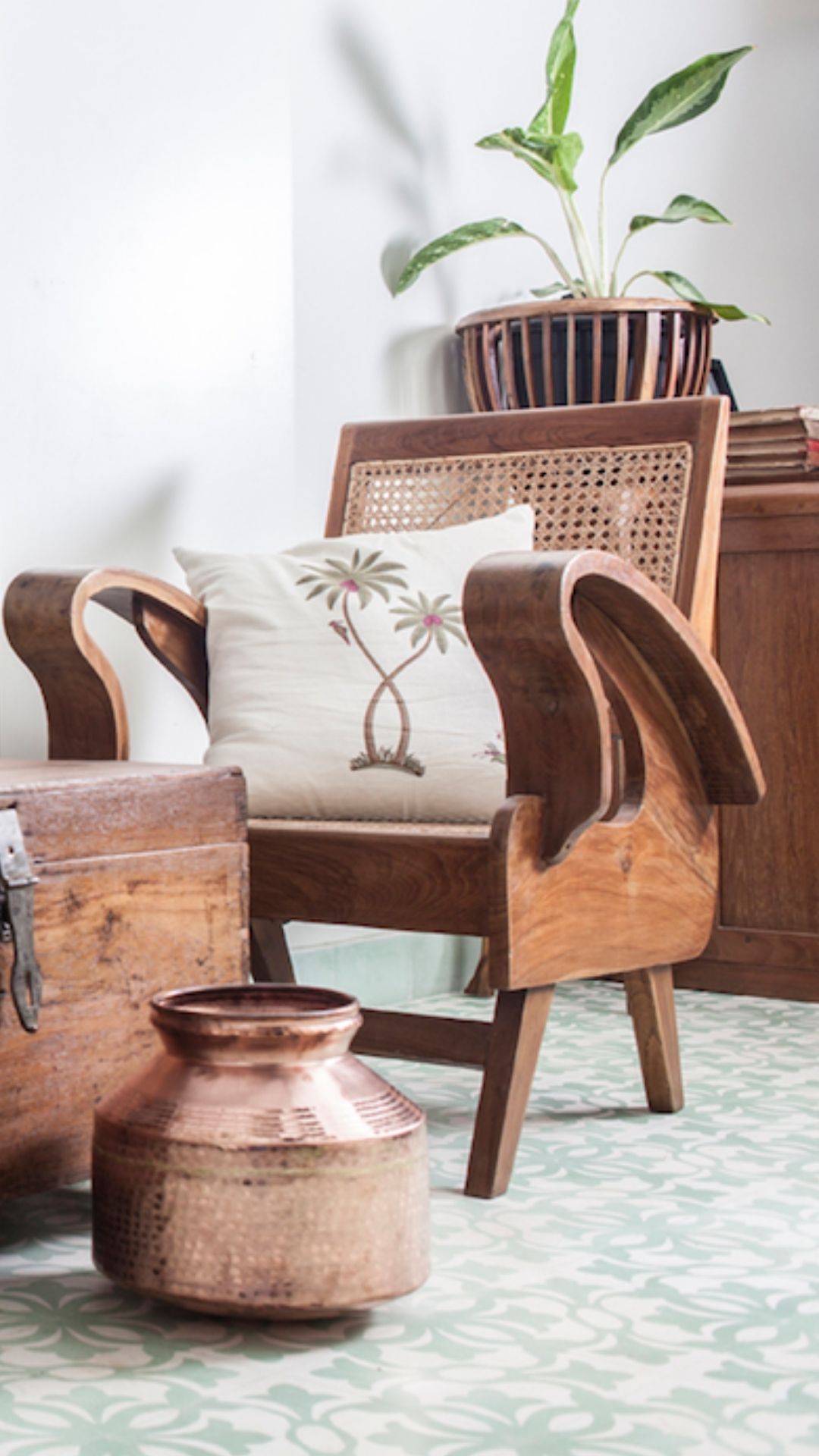
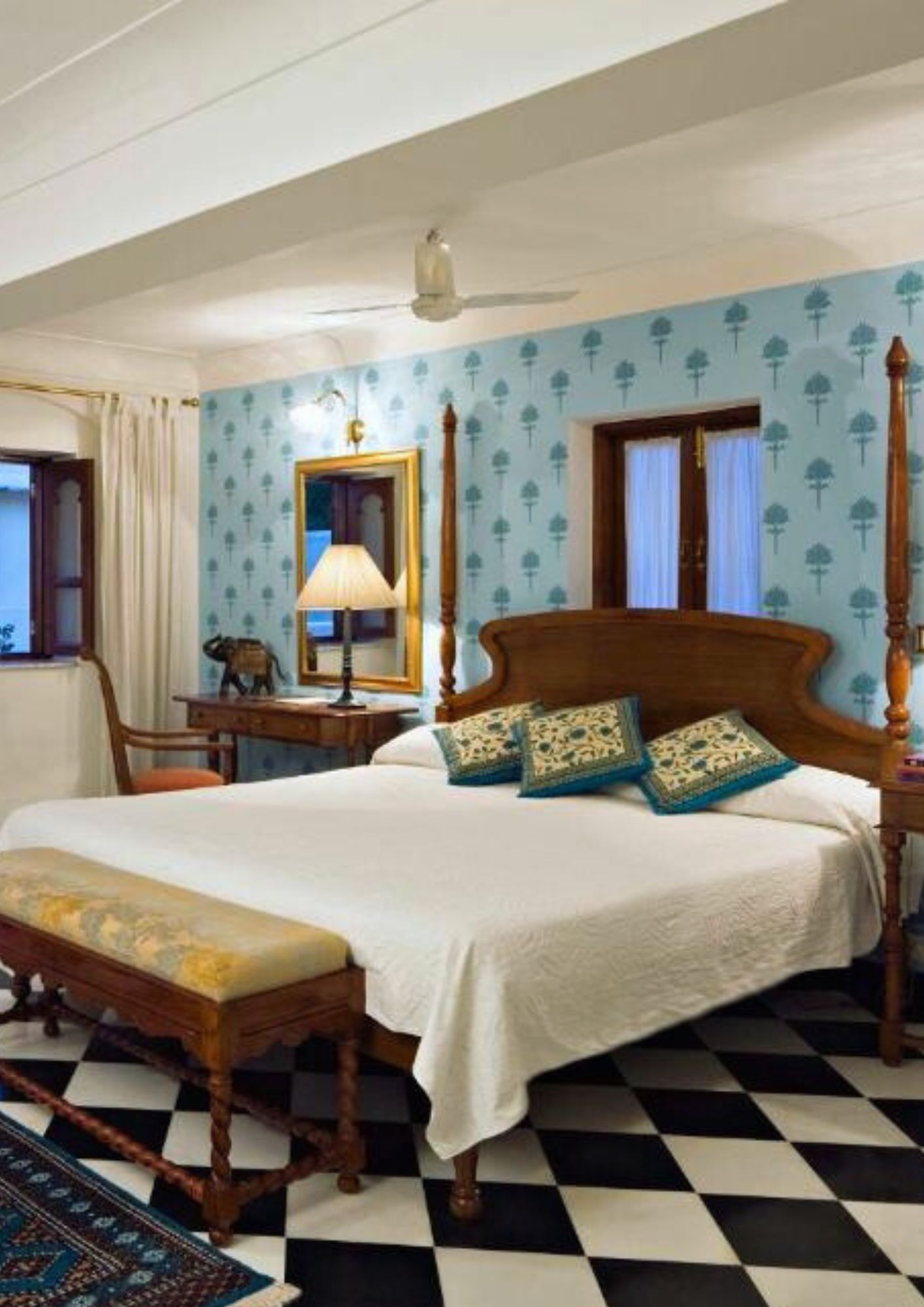
At first glance, one can’t help but be struck by how every detail, from the century-old wooden staircase to the mosaic-tiled bathrooms and antique four-poster beds quietly tells a story of its own. Thoughtfully curated, the interiors by Belgian designer Isla Van Damme (also addressed as Loulou) seamlessly bridge the old with the new, creating a warm, family-style ambience that feels especially inviting for travellers seeking respite from Goa’s lively buzz. While modern amenities ensure a seamless and comfortable stay, it is the deliberate nods to the past; timber flooring, terracotta ceilings, vintage switches, and old-school lock-and-key doors that truly shape the property’s distinctive soul. Adding to this sense of intimacy, much of the decor has been sourced from hidden corners of Goa and drawn from the owner’s personal collection, allowing each space to unfold like a lived-in home, layered with stories waiting to be discovered.

Editor’s Note: Mangalore tiled roofs, Juliet balconies, wall niches, soft tones, and cosy layouts – Mateus is simply a home romanticised for being nestled in a place surrounded by beaches. And, the fact that it is nothing short of a “simple home” organically makes the hotel one-of-a-kind. However far people roam seeking a retreat from home, a place that feels even slightly like home soon becomes one they don’t easily walk away from. This seems to be the philosophy the hotel functions on. From antique switches and storied artefacts to doors still guarded by traditional lock-and-key, the space is rich in thoughtful detail. The residence is not presented as nostalgia, but as a practical, well-executed example of how heritage spaces can be meaningfully adapted for today’s traveller without losing their character. It holds onto a roof under which identity, memory, and architecture are glued together.

Boutique Hotels In Goa, India

Insider Notes:

Number of Rooms: 9

  • Airport/railway station transfer can be arranged on request and are chargeable.
  • While Mateus doesn’t operate a full-scale restaurant, guests are guided toward nearby cafes and family-run restaurants. Many appreciate this flexibility, as it encourages discovering Goa’s local food scene.
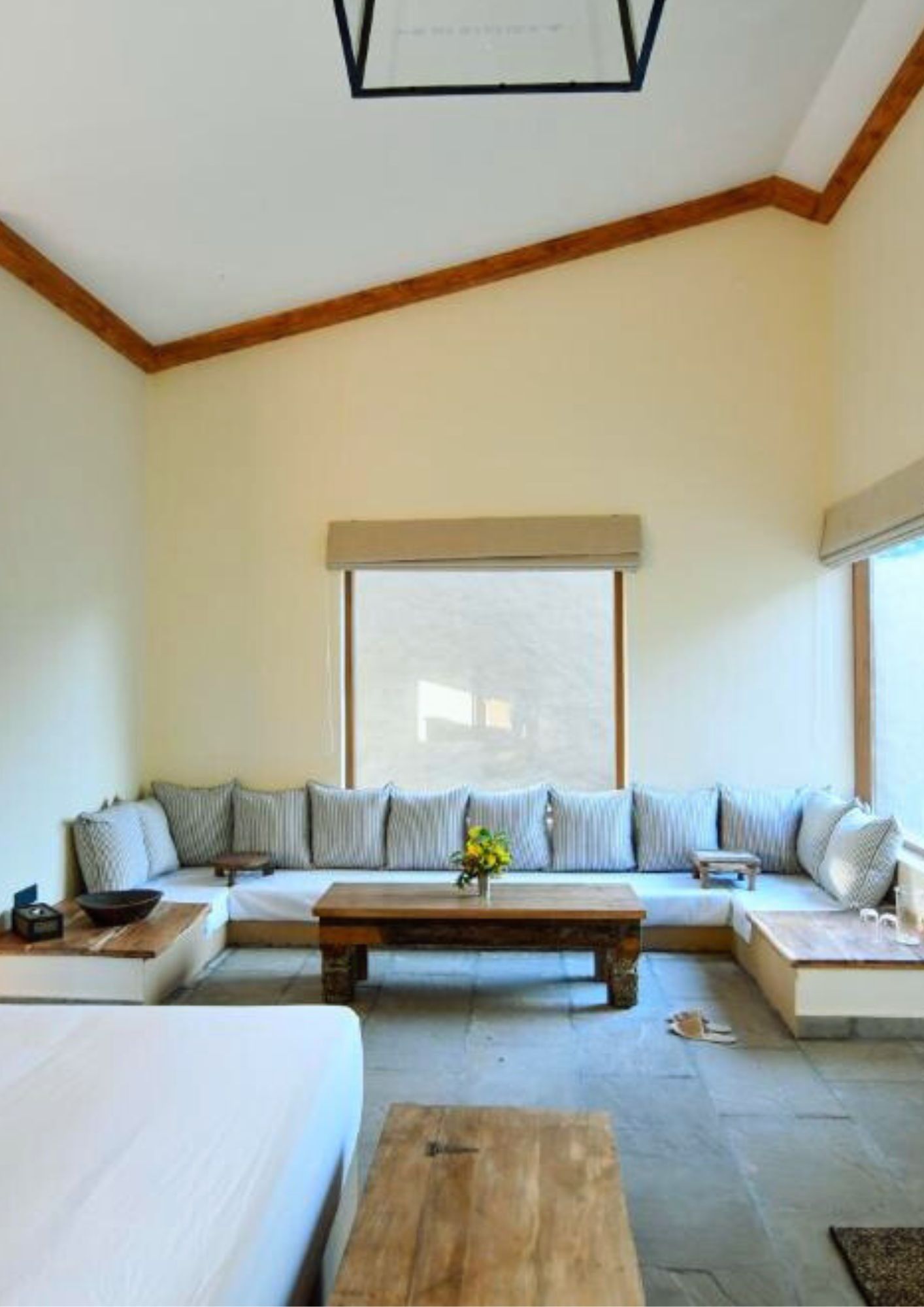
  • A small courtyard with a plunge pool that can probably fit four adults.
  • A common sitting area cum library.
  • The hotel offers a buffet breakfast and other meals on request, and guests are free to order in from nearby restaurants. 

Location: 432 Rua 31 de Janeiro, Fontainhas (Quarter), Altinho, Panaji, Goa 403001

Contact:  +91 74474 88889 / info@mateusgoa.com

How to reach Mateus Boutique Hotel

  • Distance from the Airport: Goa Dabolim International Airport (GOI) is approximately 30-33 km away. It may take up to 30-45 minutes to reach the property by car (depending on traffic conditions).
  • Distance from the Railway Station: Karmali railway station is approximately 12-13 km away, however, not all express trains halt there; so it would be advisable to check your train schedule. Madgaon Junction, approximately 34-36 km away, has more frequent and major train connections to/from most Indian cities. It may take up to 35-45 minutes to reach the property by car (depending on traffic conditions).

Image Courtesy: booking.com

(All information has been provided and verified through official details on the property’s website)

All details shared here reflect the most current information available at the time of publication. We try to update our features often, but readers are kindly advised to check the property’s official website or contact them for the latest services, policies, facilities, and updates.

Anopura, Jaipur
Anopura, Jaipur

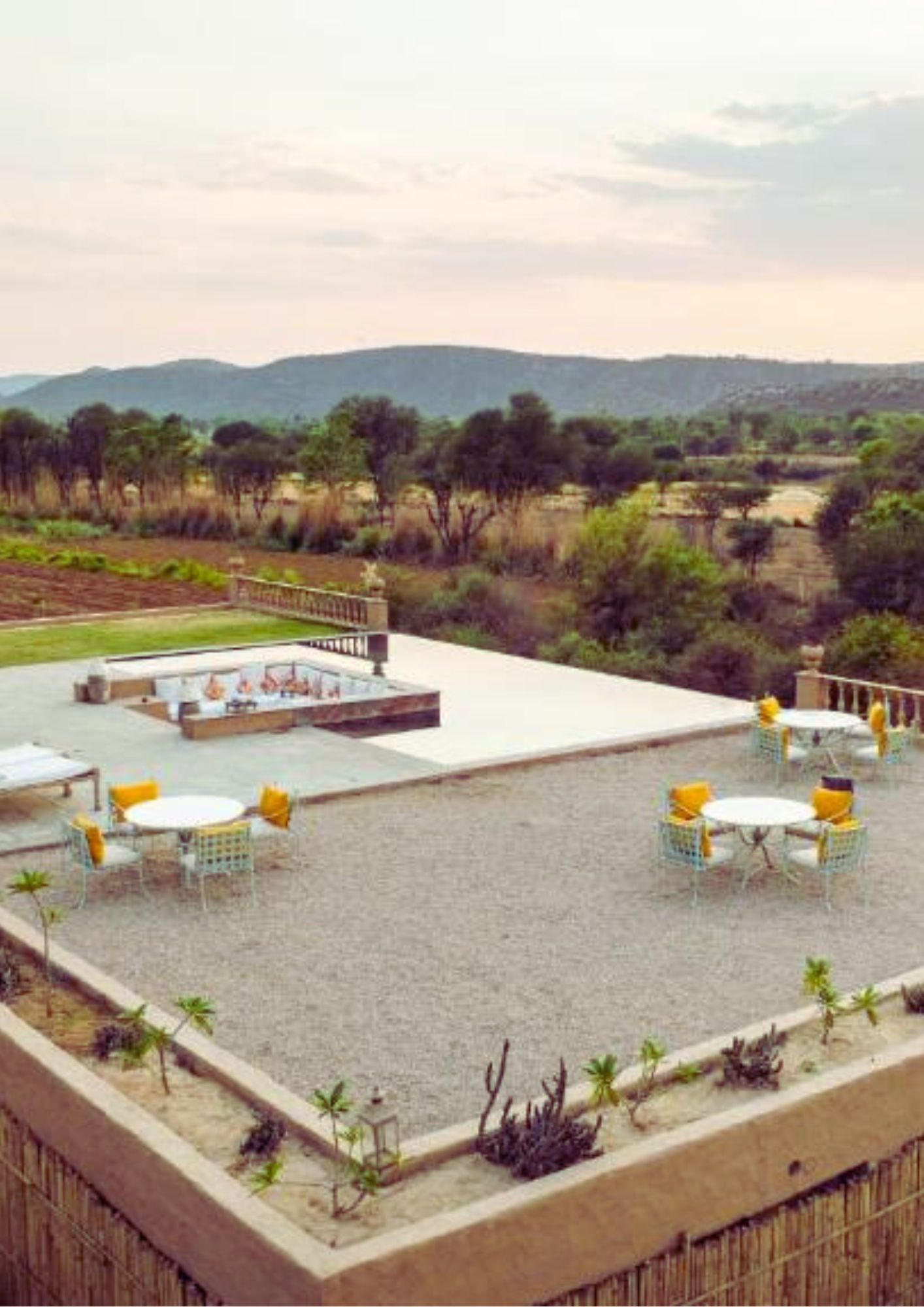
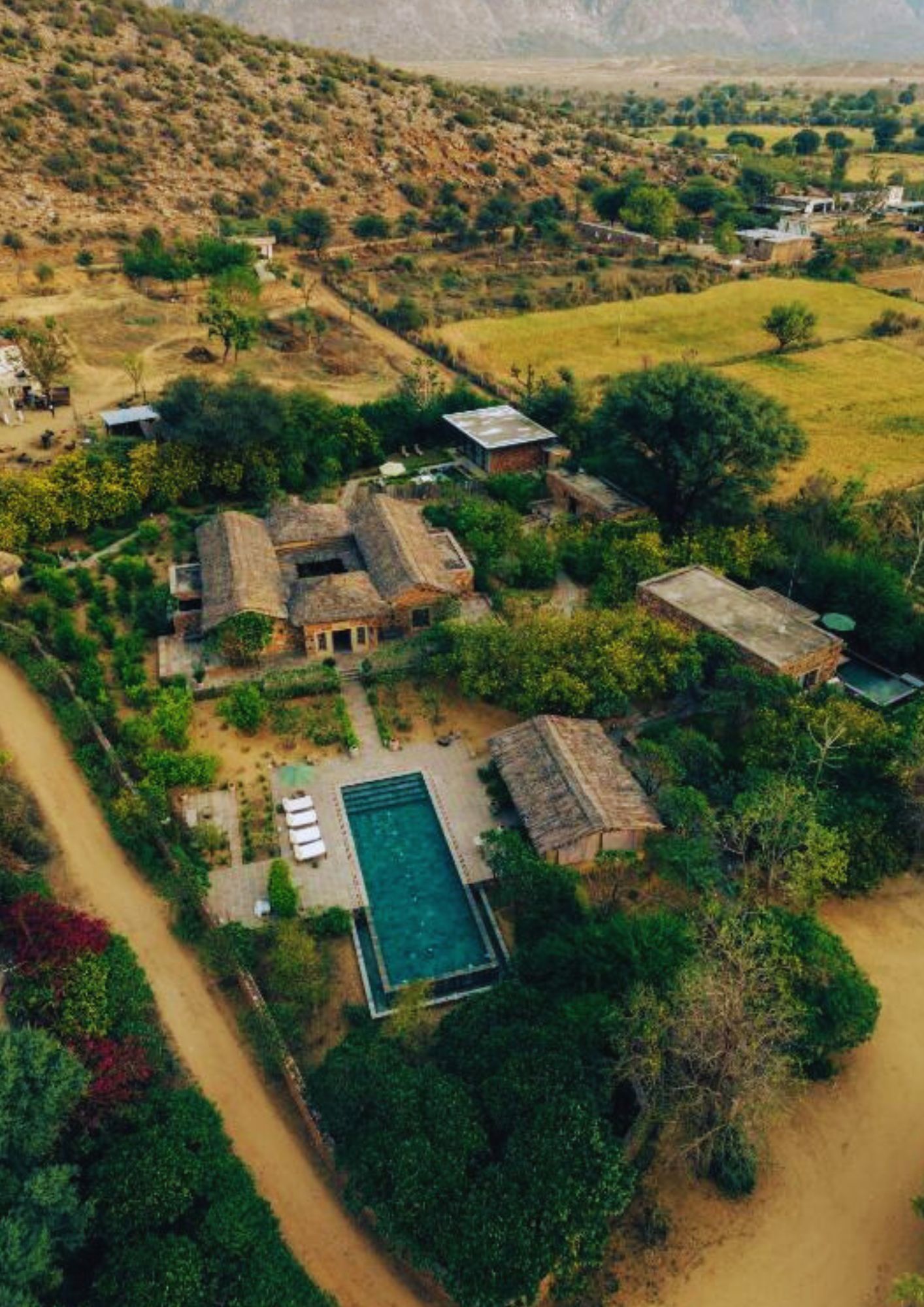
Rooted in memories of time spent at his grandfather’s farmhouse, Jaipur-based entrepreneur Aditya Baheti entered the hospitality space with a vision to bring guests closer to nature and slower living. Based on which, Anopura, was born from a fortunate rainy-day discovery in 2013. Named after the village it occupies, the property first existed as a lone cottage on a large farm owned by Philippe de Villegas, a Belgian former delegate. After acquiring it, Baheti slowly introduced additional villas, and the seclusion of the estate later made it especially appealing to Jaipur residents seeking short countryside breaks. Cradled across 60 acres of a nature-wrapped countryside, here chaos quietly recedes, simple pleasures dominate, and stillness settles in naturally. In keeping with this vision, the property adopts lime-mortar architecture, an alternative to cement, that keeps interiors naturally cool while significantly reducing the need for artificial cooling; meanwhile, solar power sustains the retreat’s environmentally mindful rhythm.

Boutique Hotels In India
Hotels In Rajasthan
Anopura Jaipur

Even at the dining table, this sense of intention continues, as every meal follows a farm-to-table narrative. Guests are encouraged to handpick fresh produce from the gardens and watch as chefs craft them into seasonal creations. Many of the furnishings and decorative elements come from Aditya Baheti’s personal collection of antiques gathered over time. Pieces sourced from across India ranging from regional pottery and repurposed wagon wheels from Gujarat to carved entry frames and classical artworks add layers of cultural reference without overwhelming the spaces. Set against mist-draped hills and accompanied by nature’s constant soundtrack, the experience unfolds as more than just a stay; it becomes a return to what truly matters. Not surprisingly, this holistic approach to design, sustainability, and slow living earned Anopura a place among the Best Resorts in the World, as recognised in the “Rest of Asia” category of the Condé Nast Traveller 2024 Readers’ Choice Awards, firmly positioning it as one of the distinguished luxury boutique hotels in India.

Editor’s Note: At a time when hospitality often leans toward excess, it is reassuring to encounter a space that chooses intention over indulgence. In this light, Anopura stands as a reminder that travel can be restorative not only for the visitor, but also for the land and the communities that host it. Built on principles that favour sustainability and local participation, the retreat quietly integrates practices such as eliminating single-use plastics, supporting farm-to-table dining, reducing waste, and encouraging responsible refarming. Importantly, these aren’t surface-level gestures, but part of a larger philosophy that values continuity between people, place, and purpose. While a modern development entering a rural landscape may have once raised questions, over time it has translated into meaningful opportunities for the village. Consequently, employment generation, support for local craftsmanship, and steady economic participation have reshaped that early hesitation into trust. As a result, the presence of the retreat feels less like an intrusion and more like a partnership with its surroundings. Admittedly, reaching this tucked-away corner may require a little patience, and journeys here might invite differing opinions. Yet, the spirit behind its creation remains clear and consistent. Anopura does not merely offer a stay, it reflects a considered approach to how hospitality can coexist with heritage, environment, and community. In many ways, it brings the conversation back to what mindful travel was always meant to be.

Insider Notes:

  • Number of Rooms: 14
  • Type of Rooms:
  1. Royal Villa Estate
  2. Luxury Villa Estate
  3. Premier Villa
  4. Paradise Villa
  5. Cottage, Deluxe Suite
  6. Family Suite


  • Airport/Railway station transfers can be arranged on request and are chargeable.
  • Pick-up & Drop-off at the airport/railway station: INR 3,700 (by Sedan), INR 4,700 (by Crysta).
  • Drop-off at the Delhi airport via the old Highway: INR 9,000 (by Sedan), INR 9,900 (by Crysta).
  • Drop-off at the Delhi airport via the Expressway: INR 12,900 (by Sedan), INR 13,900 (by Crysta).


  • Mystery Hill & Sunset Picnic (1.5–2 hrs): A quiet stroll to an abandoned hill village followed by a countryside drive and picnic stop.
  • Anopura Pottery Studio (1 hr): A hands-on clay experience for all ages, available only by prior booking.
  • Village Walk (1 hr): A guided stroll through the nearby village, offering glimpses into local life and community interactions.
  • Under the Tree Barber: A traditional village barber sets up under a shaded tree for haircuts and simple head massages, something refreshingly local for guests to experience.
  • Bush Cooking Experience (Evening activity): An immersive open-air cooking session in the fields, using traditional methods, with storytelling, star beds, and a locally prepared feast.
  • Dining Under the Tree (2 hrs): A pre-booked outdoor meal beneath an old tree, ideal for slow lunches or intimate dinners amid quiet natural surroundings.
  • Sanctuary Spa Experience (By Jeep): A peaceful drive through village fields leads to a serene spa escape, where an Ayurvedic back and shoulder ritual melts away the weight of the day.

Location: Samred Kalan, Jamwa Ramgarh, Jaipur, Rajasthan 303109

Contact: +91 97837 55555 / info@anopura.com

How to reach Anopura

  • Distance from the Airport: Jaipur International Airport is approximately 48 km away, it may take up to 1 hour and 30 minutes to reach by car (depending on traffic and road conditions).
  • Distance from the Railway Station: Jaipur Railway Station is approximately 40-50 km away, it may take up to 1 hour and 30 minutes to reach by car (depending on traffic and road conditions).

Image Courtesy: booking.com

(All information has been provided and verified through direct communication with the property and reliable sources)

All details shared here reflect the most current information available at the time of publication. We try to update our features often, but readers are kindly advised to check the property’s official website or contact them for the latest services, policies, facilities, and updates.

Samode Haveli, Jaipur

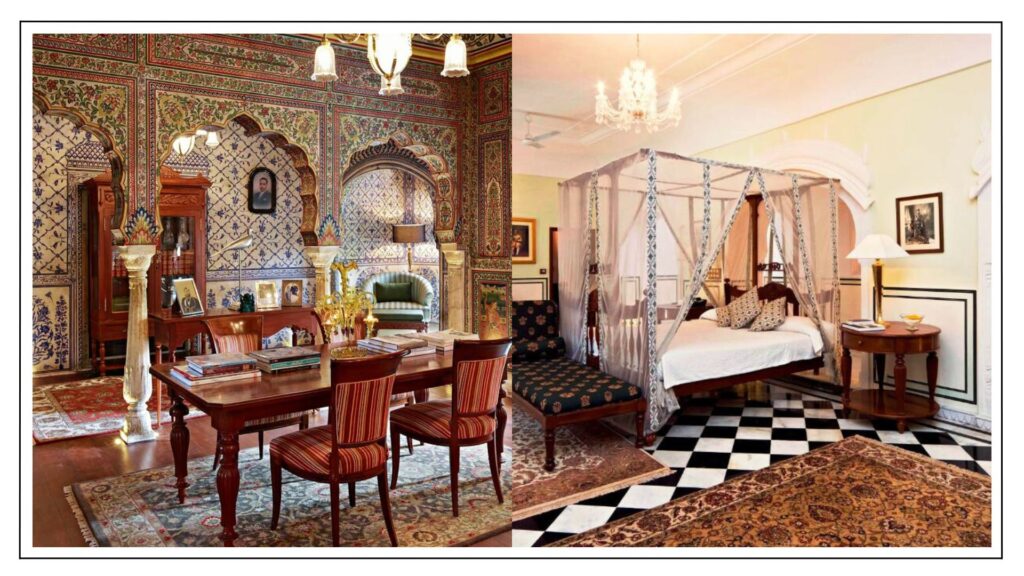
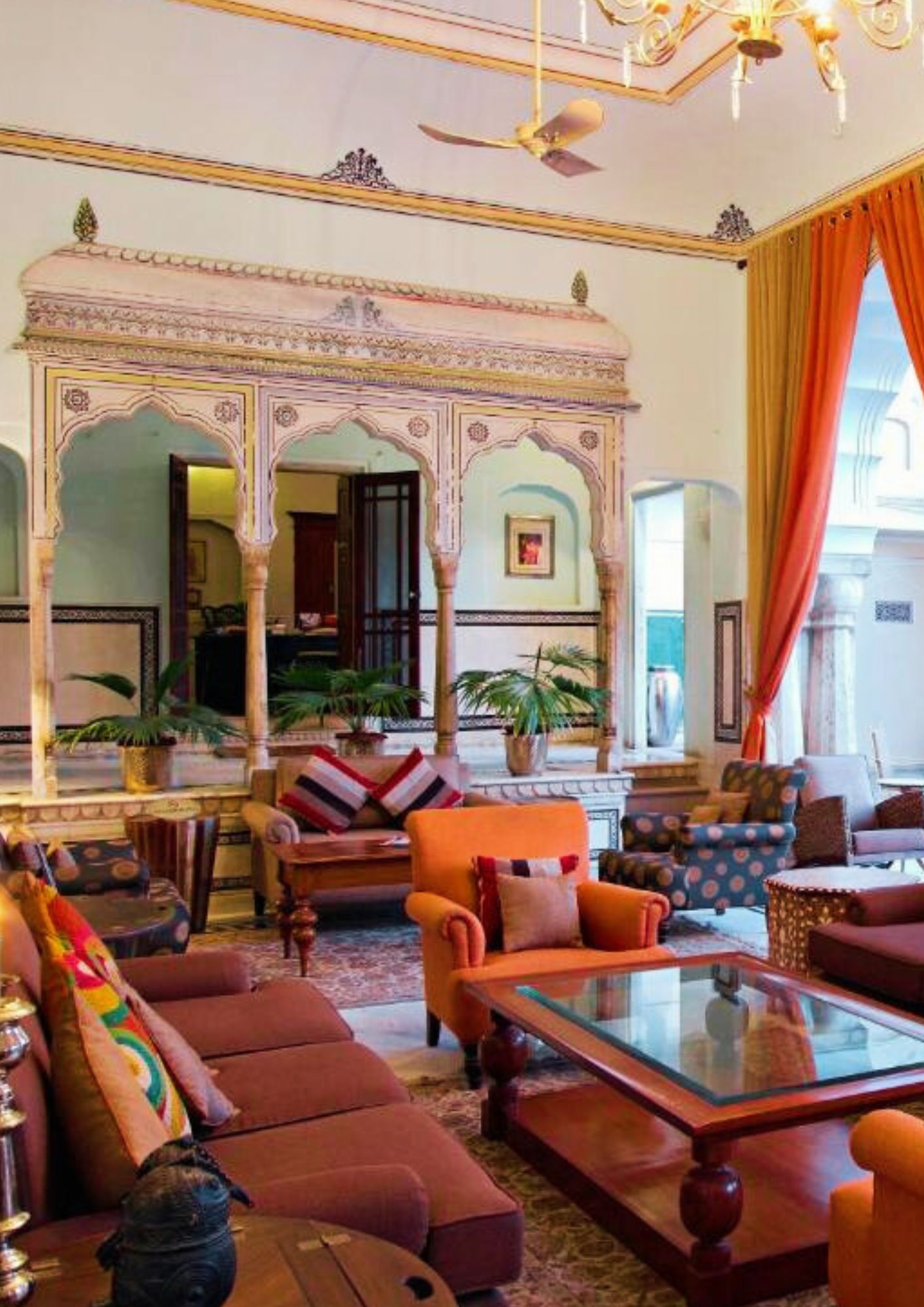
Situated in a quiet nook of old Jaipur, Samode Haveli is a 225-year-old heritage property that beautifully preserves the grandeur of Royal Rajasthan. Once a nobleman’s residence, the haveli is now a regal retreat, where hand-painted murals, sun-drenched courtyards draped in bougainvillaea, and carved archways come together to offer an immersive experience of the city’s opulent past. Thoughtfully restored and brimming with character, the haveli reflects the soul of Samode, keeping its elegance, hospitality, and timeless style alive. Samode Haveli today forms an integral part of the Samode heritage portfolio, lovingly managed by the original custodians of these ancestral estates, along with Samode Palace and Samode Bagh. Recognised among India’s Top 20 Hotels in 2025 by Conde Nast Traveller’s Readers’ Choice Awards, the haveli stands as a living chronicle of centuries past. Its architecture reveals a graceful dialogue between Mughal influences and traditional Rajasthani craftsmanship, reflected through sculpted archways, hand-painted frescoes, carved corridors, shaded alcoves, and open terraces.

Editor’s Note: If you’re from India, and you’re familiar with the name and the work of one of the prolific directors in the Indian film industry – Sanjay Leela Bhansali, you’d understand the relatability when I say that the opulent interiors of the haveli gives the impression of a well-put-together Bhansali cinematic space! Or, should I say the other way around. As much as the beams echo of reality, there’s this sense of pause in each room, with frames and concepts that wouldn’t let your curiosity rest. Maybe because being part of the Samode heritage family gives the haveli a rare authenticity, where it still feels like a home that belongs to its lineage, and not a heritage asset designed for display.

Boutique Hotels In Rajasthan India
Samode Haveli

Insider Notes:

  • Number of Rooms: 50
  • Type of Rooms: 50 spacious guest rooms and suites classified as: Deluxe rooms, Deluxe suites, Haveli suite and the Sheesh Mahal, spread across three sections of Samode Haveli.
  • Rooms feature four-poster beds, armchairs, writing desks and marble bathrooms with standalone Elizabethan bathtubs, offering a perfect blend of history and modern comfort. The two Sheesh Mahal suites feature original fresco works and stunning mirror work and are the top-category accommodations, ideal for honeymooners seeking a romantic and luxurious retreat.
  • Airport/railway station transfers can be arranged on request and are chargeable.
  • Pick-up & Drop-off at the airport/railway station: INR 2,500 + 5% tax.
  • Curated heritage walks: Duration: Approximately 02 hrs | Cost: Rs. 2,500/- plus taxes per person | Timings: 6:30 AM to 8:30 AM

(A minimum 24 hours prior consent required in-order to make the arrangements and the amount can be paid directly at the hotel).

  • Jhalana Leopard Trail: Jhalana Leopard Safari Park is home to 30-35 leopards out of which 6-7 leopards have their territory in the tourism area of park.

            Cost: Rs. 17,700/- for 02 people inclusive of taxes (permits subject to availability) | Duration: 02 hours and 30 minutes (Minimum 48 hours prior consent required along with complete advance payment to make the arrangements).

  • Cooking Demonstration: For those who wouldn’t want to miss an opportunity to learn some of the family’s well-kept recipes for generations, the haveli’s chefs would put on live demonstrations.

                Cost : Rs. 7,000/- plus 18% taxes per person (slots subject to availability). (Minimum 48 hours prior consent along with complete advance payment required to make the arrangements).

  • Full Day Guide Charges: Rs. 2,000/- + 18% taxes.
    Full Day Car Charges: Rs. 8,000/- + 05% taxes ( 08 hrs/ 80 kms)
    Full Day City Tour Places: Amer Fort , Jaigad , Jal Mahal , City Palace , Jantar Mantar , Hawa Mahal , Markets
    Half Day Guide Charges: Rs. 1,000/- + 18% taxes.
    Half Day Car Charges: Rs. 4,000/- + 05% taxes ( 04hrs/ 40 kms)
    Half Day City Tour Places: Amer Fort , Jaigad , Jal Mahal ,Markets
  • Check-In time: 2:00 pm
  • Check-Out Time: 12:00 pm
  • On request, the haveli arranges intimate candle-lit dinners, ideal for guests seeking a more personalised experience.
  • Guests have access to an open-air swimming pool, an outdoor Jacuzzi, and an Ayurvedic massage centre designed for quiet relaxation.
  • A well-stocked wine cellar adds a refined touch for those who enjoy pairing their stay with fine vintages.

Location: Gangapole, Jorawar Singh Gate, Amer Road, Jaipur – 302002, Rajasthan, India

Contact: +91-141-2632370, 2631068 / reservations@samode.com

How to reach Samode Haveli

  • Distance from the airport: Jaipur International Airport (JAI) is approximately 14 km away from the property, it may take up to 35-40 minutes to reach by car (depending on traffic conditions).
  • Distance from the railway station: The Jaipur Railway Station (Jaipur Junction) is approximately 6 km away, it may take up to 22 minutes to reach the property by car (depending on traffic conditions).


Image Courtesy: booking.com

(All information has been provided and verified through direct communication with the property and reliable sources)

All details shared here reflect the most current information available at the time of publication. We try to update our features often, but readers are kindly advised to check the property’s official website or contact them for the latest services, policies, facilities, and updates.

The Padmaa, Jaipur
The Padmaa, Jaipur

What begins as a modest family decision, can over generations, turn into a legacy. Padmaa’s story traces back to a jewellery family that settled in Jaipur’s old quarters centuries ago, gradually shaping a residence that grew with each generation. What started as a small home evolved into a multi-layered haveli, expanded thoughtfully as the family grew, carrying memories, traditions, and architectural details that reflected the times they lived in. Named after the family’s matriarch – Shrimati Padmaa Devi Shah, the house stands today as a tribute to her quiet strength and the family’s enduring bond with their heritage. Its recent restoration marks not a reinvention, but a respectful continuation of its past.

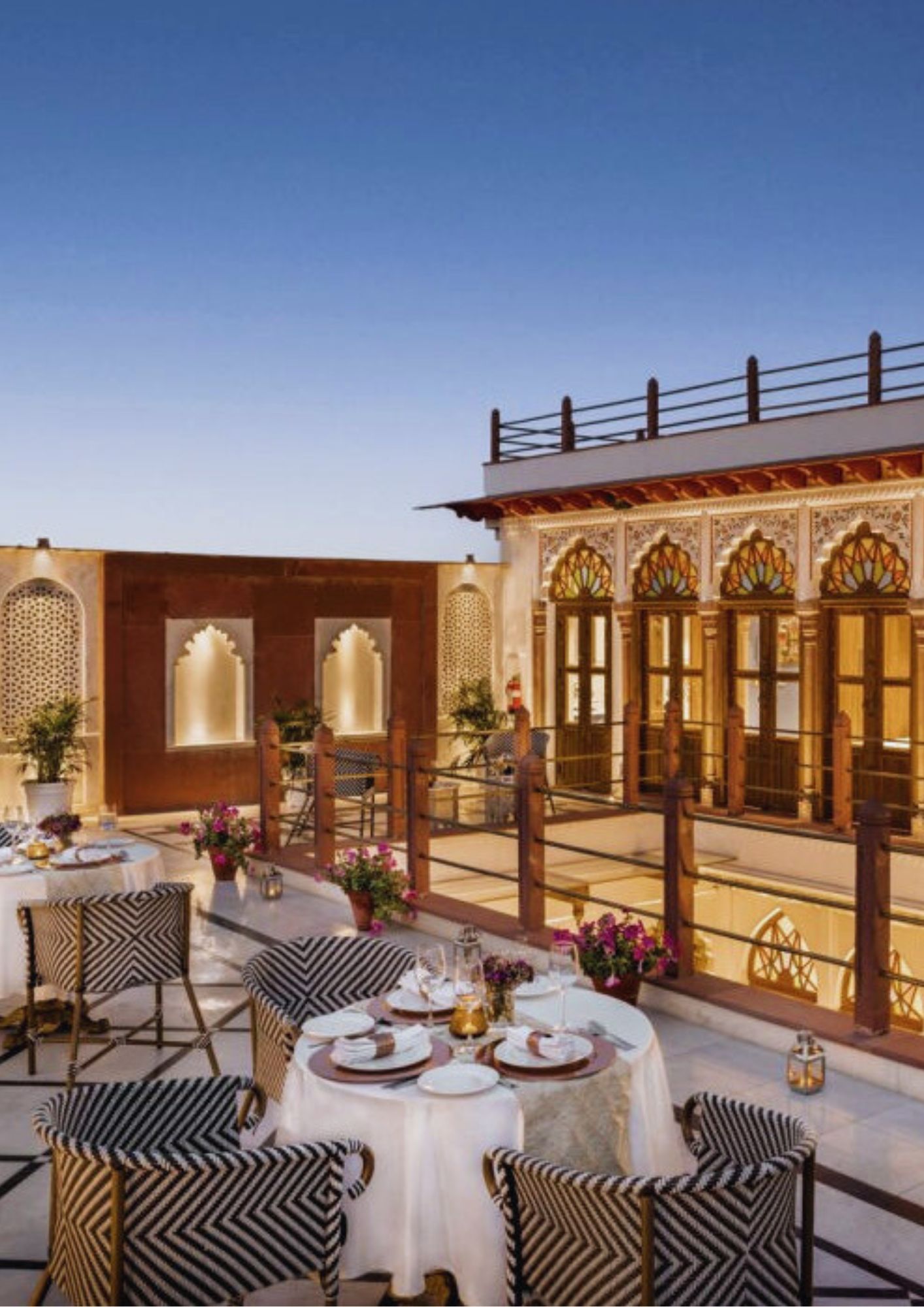
Today, The Padmaa reopens as an intimate, all-suite boutique hotel in the heart of the walled city, where traditional Rajasthani design meets comfort of the present age. With fifteen one-bedroom suites across Heritage and Luxury categories, the property showcases carved details, local craftsmanship, and decor that nods to Rajasthan’s cultural richness, while ensuring contemporary ease. Shri Seva Ram Ji brought the haveli into being in 1735, and over the course of history, the confluence of one of the celebrated architects – Gagan Sharma and interior designer Vaishnavi Bazaz rejuvenated the life that once echoed in this haveli. From delicately rekindling the multifaceted inner courtyard and the hand sculpted wooden jharokas to skillfully taking care of the timeworn wooden door at the entrance; that’s been guarding the haveli’s warmth from the whirlwind beyond those floral-blushed walls, this heritage property is a souvenir of time. Terrazzo floors with marble inlay run through many of the rooms, adding detail without taking away from the haveli’s character. Around the courtyard, the facade brings together traditional features like lamp niches, lime screens, carved stone brackets, and relief work that reflect Jaipuri design. Meanwhile, the three-arched tibaari has been adapted to hold dining spaces along the chowk, while the open-to-sky chandani, once used as a sleeping area between rooms, now serves as a relaxed seating spot. In addition, distinctive bangdidaar cusped arches have also been rebuilt using local masonry practices, including the reverse-frame method known as a dhula.

The Padmaa, Jaipur
The Padmaa, Jaipur
The Padmaa, Jaipur

Editor’s Note: From where I perceived, this 290-year-old haveli felt inviting; it evokes this sense of connection that became conspicuous primarily because of two of its finest details – firstly, the olta (also spelled as ota) which is this raised stone seating platform built along the entrance. As held in memories, these seating corners recall a time, when mothers would sit together in the evenings, knitting and conversing. Secondly, the fact that the property is lovingly named after the family’s grandmother, makes it almost unfair to even address it as a property of any kind; for it’s a home. A home that is now again beaming with a breath of fresh air by opening its doors to people who are in for an experience that speaks. Quietly resting in one of the old lanes of the pink city, all the bustle blows down as your rickshaw stops at what looks like a traditional home cloaked in as a regal hideaway. In the words of Jaiveer Singh Rathore – Padmaa’s Head of Operations, “At Padmaa, we want every guest to feel the comfort of staying at a loved one’s home rather than a hotel.” A betel nut case that belonged to their grandmother, her ghungroo bracelets, and an antique treasure chest have been embedded into the wall to create a display rooted in personal history. Placed opposite Padmaa’s logo, this installation reflects how the family weaves its memories into the space rather than keeping them tucked away. That same sense of care extends to the guest experience, where the aim is simple: to make visitors feel at ease and at home.

Insider Notes:

  • Number of Rooms: 15
  • Type of Rooms: All one-bedroom suites are categorised into two styles: Heritage & Luxury.
  • Guests can access the property’s rooftop heated plunge pool to soak in the picturesque landscape of the city.
  • Spa treatments are available for guests who want downtime during their stay.
  • Cultural activities are arranged at intervals, including live folk music and pottery sessions.
  • Heritage walks can be organised on request for those keen to explore the old city with context.
  • Tuk-tuk transfers and buggy rides are arranged to make local travel easier.
  • The courtyard often hosts craft-based workshops led by local artisans.
  • Traditional Rajasthani dance performances are scheduled on select evenings.
  • A local tailor assists guests who want to try Rajput-style attire.
  • Private moonlight dinners can be set up in the Chandni area.
  • Open terraces around the haveli provide relaxed spaces to sit, read, or enjoy the city’s weather.
  • The on-site restaurant sits in the courtyard and offers a mix of international dishes and family-style Rajasthani cooking rooted in local tradition.
  • There are two bars on the property, one in the courtyard and another on the terrace with wide views over Jaipur.

Location: 782, Churukon Ka Rasta, Modikhana, Jaipur, Rajasthan, 302002

Contact: +91-9680131132 / Info@padmaajaipur.com

How to reach The Padmaa

  • Distance from the airport: Jaipur International Airport (JAI) is approximately 12 km away from the haveli. It may take up to 30 minutes to reach by car.
  • Distance from the railway station: Jaipur Junction is approximately 4-5 km away from the haveli. It may take up to 10-15 minutes to reach by car.

(Note: Guests are dropped off on the main road at Chaura Rasta, as the property is located within the inner lanes. From there, the haveli arranges a pick-up in its electric rickshaws to bring guests directly to the entrance).

Image Courtesy: booking.com

(All information has been provided and verified through direct communication with the property and reliable sources)

All details shared here reflect the most current information available at the time of publication. We try to update our features often, but readers are kindly advised to check the property’s official website or contact them for the latest services, policies, facilities, and updates.

Founder & Editor-in-Chief, Coffee & Kala

Trained in journalism but a writer by choice, by profession & passion, she turned away from the confetti of corporate titles to pursue a rarer currency – meaning! The quiet urge to sincerely practice storytelling, perspectives & exploring ideas beyond boardrooms, trends & targets, kept feeding the fire within. Hence, after much delay, driven by intention & sustained by coffee in an era accelerated by algorithms, she is working with patience & principle to uphold the integrity, depth & permanence of the written word. This magazine aims to sustain as a platform for artists across the globe – a space built on the belief that bonafide artists and writers do not “generate” work, they “craft” it. The pieces here aren’t shaped to fit market trends, but are published with intention. Because, when the focus is the craft of writing, the discipline of storytelling & the value of art itself, Coffee & Kala doesn’t look for a “why.” It goes on to cover anything & everything that meets its attention.

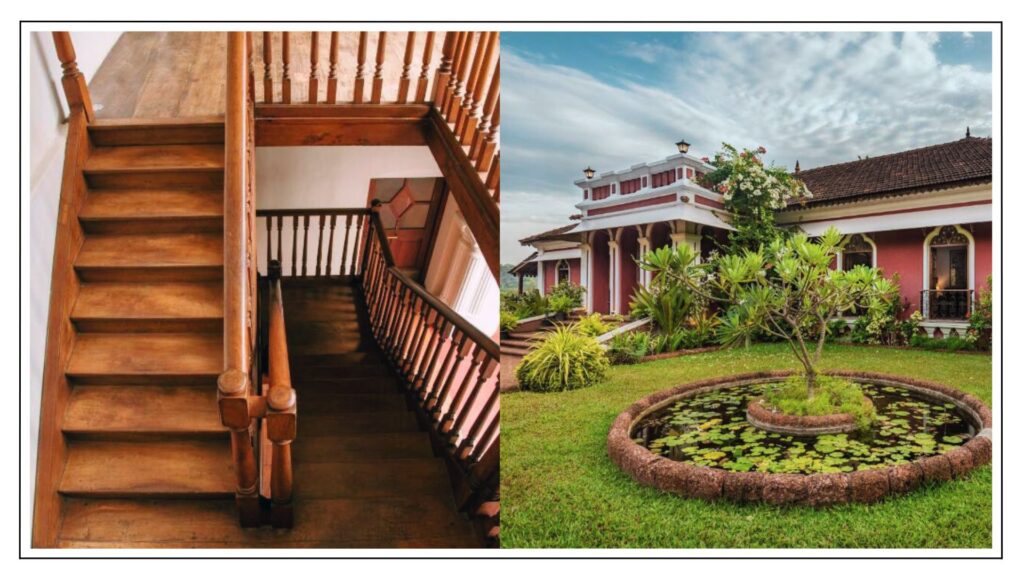
A boutique hotel is a small, character-rich property that focuses on design, story, and personalised service rather than scale. Think fewer rooms, a distinct personality (local art, period architecture or a strong design theme), and staff who remember your coffee order. These are not cookie-cutter stays — they’re meant to feel like a discovery.

Because you want personality and those little surprise moments. Locally sourced breakfasts, a host who shares the best hidden lane for dinner, rooms packed with regional craft, and stories that offer an experiential stay rich in character. Boutique stays trade mass amenities for authenticity, stories and a curated experience that often leaves a longer impression.
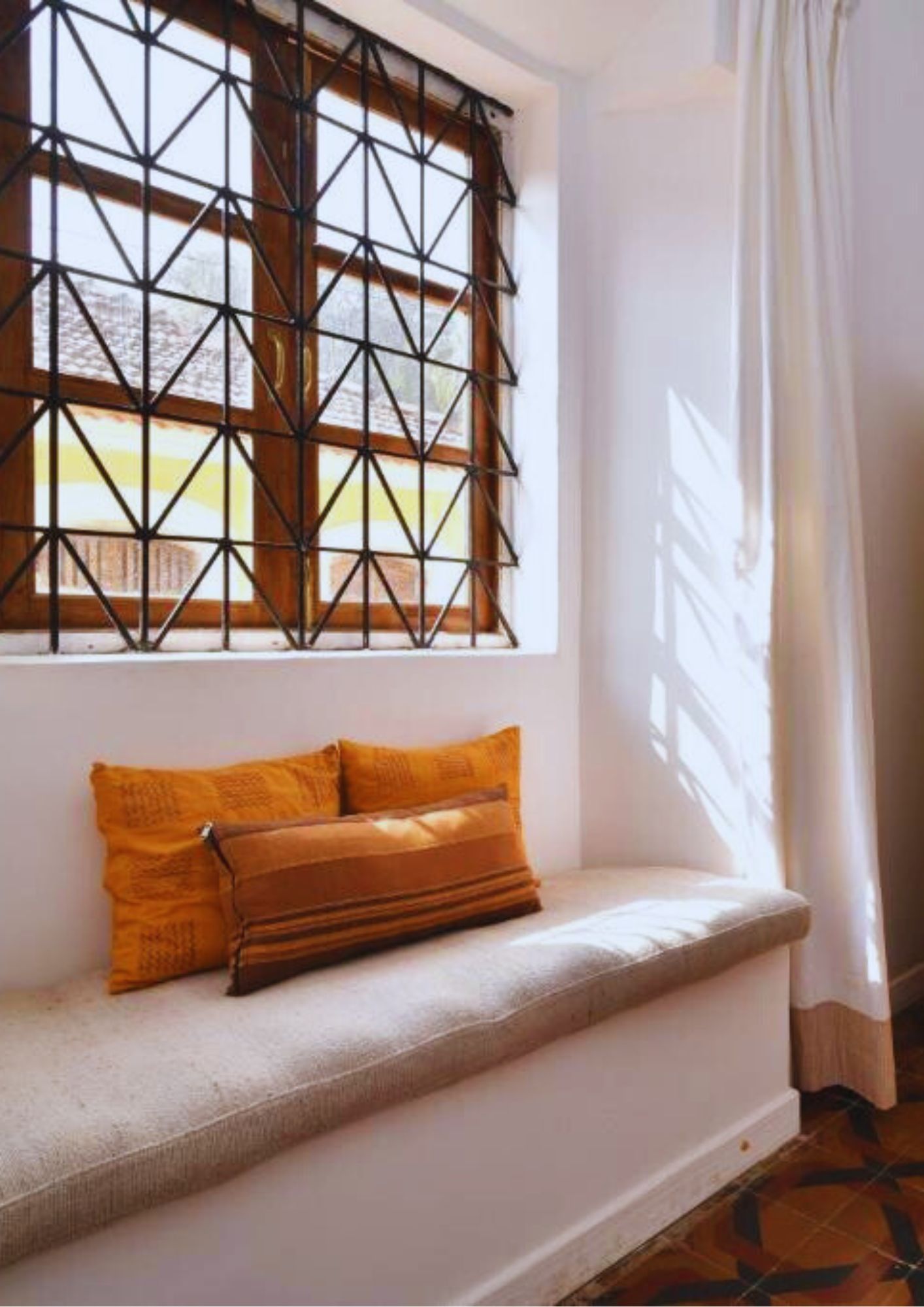
Start with reputable editorial lists and curated boutique platforms, then go through recent guest reviews. Filters that you can use: “Independent,” “Small Property,” “Heritage,” or “Design Hotel.” Also, you may refer to boutique-hotel newsletters and information provided by local travel writers/ travel bloggers who visit properties firsthand.
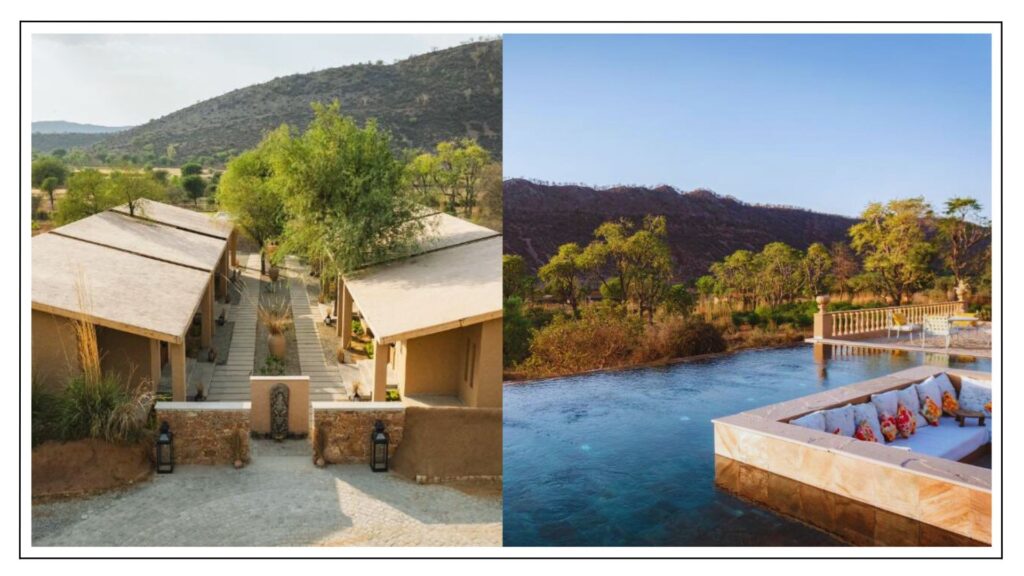
There’s a wide range, from accessibly-priced stays and heritage B&Bs (Bed & Breakfast) to ultra-luxury small palaces. Price is often tied to location, season, and how unique the experience is. For instance, a converted fort will cost more than a hill-station cottage. Expect value in the form of included experiences rather than just a bigger room.

  1. Yes, most do, but priorities differ. You’ll usually get good Wi-Fi, attentive service, and bespoke add-ons (private transfers, local guides). However, some boutique hotels are quiet transparent about low-connectivity given their secluded location and slow-living philosophy laid down for their guests. Don’t assume a full-scale gym; however, most properties offer immersive yoga sessions, local walking tours or in-house spa rituals.

Look for a clear story: restoration details, mention of local artisans, distinctive design choices, editorial reviews and a small room count. If the property emphasizes branding over place (generic interiors with mass-market furniture), it’s probably styled to look boutique rather than being rooted in the locale.

© 2025 Coffee & Kala. All original editorial content of this publication is protected under copyright and intellectual property laws. Third-party media is credited to respective owners and used in accordance with usage rights.